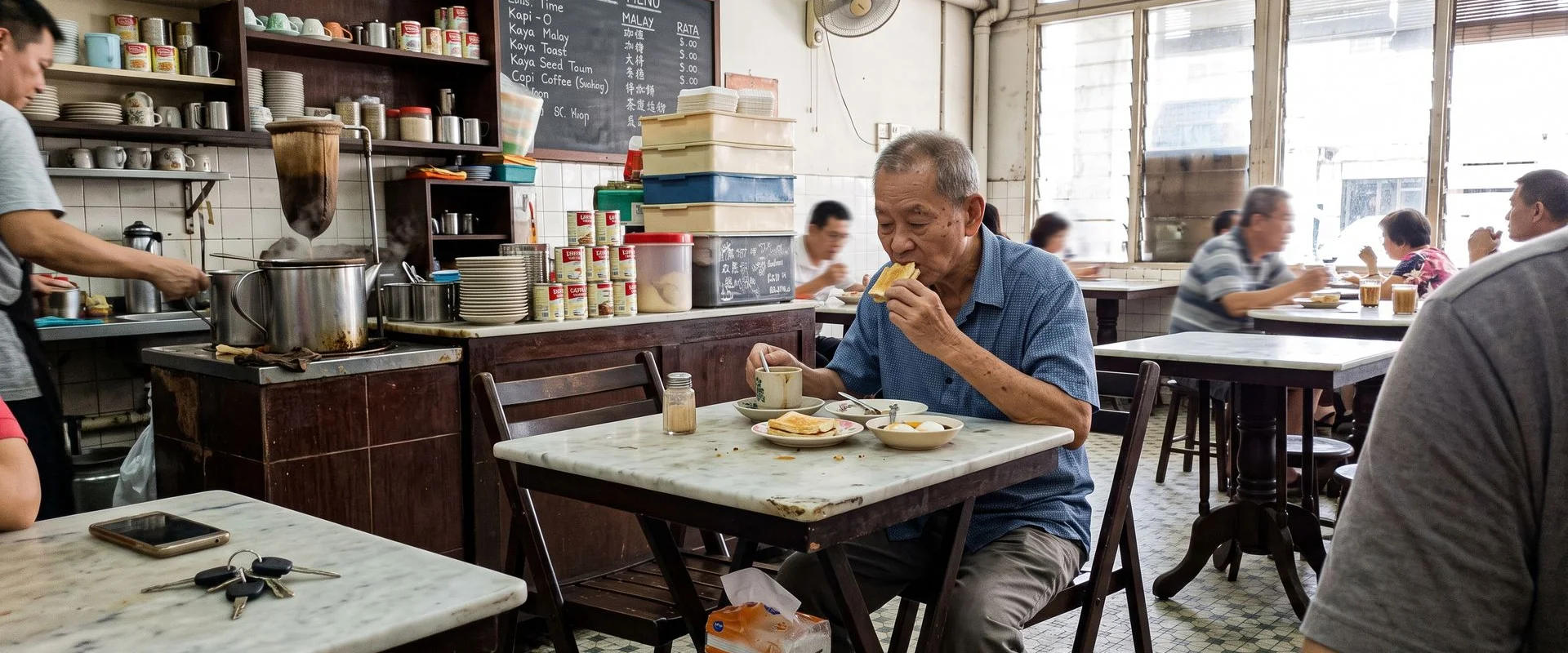
Traditional Kopitiam in Ipoh
A guide to Ipoh's 231 traditional kopitiam, what separates a solid one from the rest, and how our scoring helps you pick.
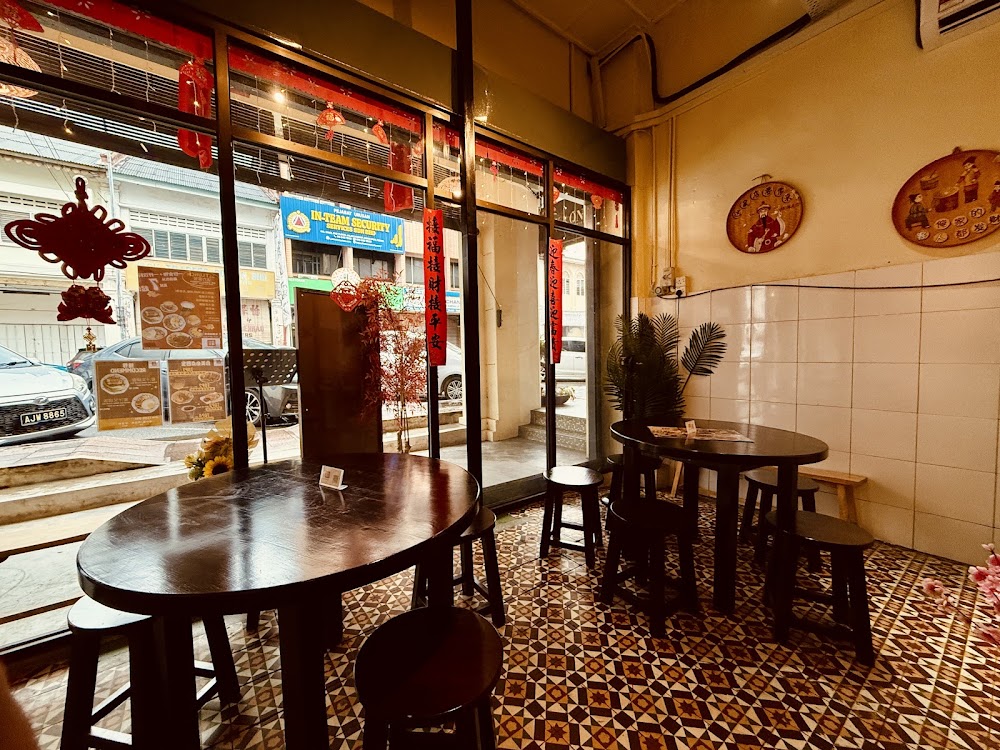
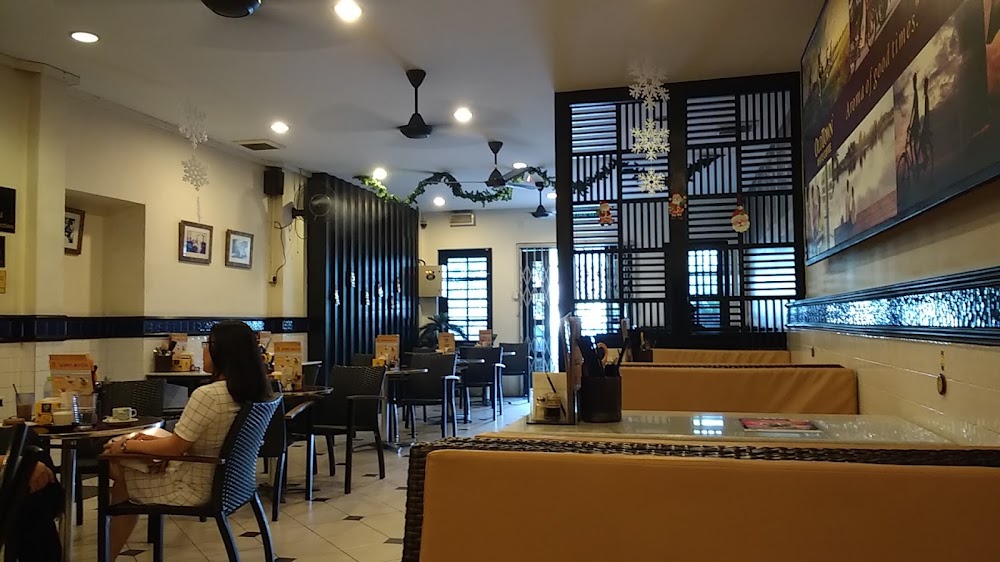
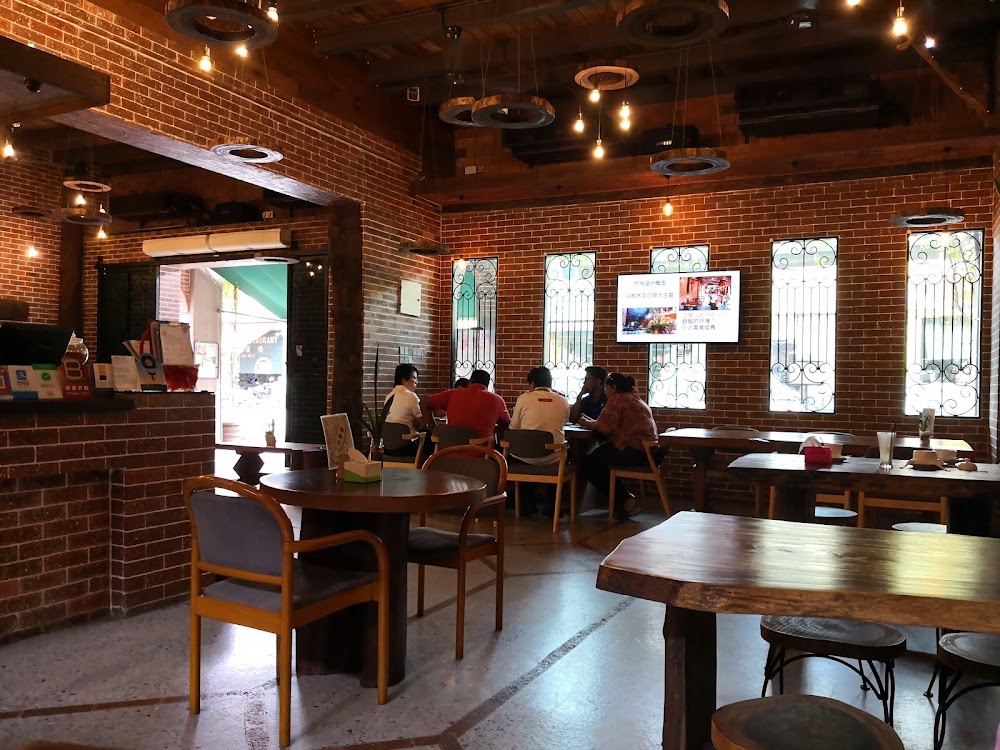
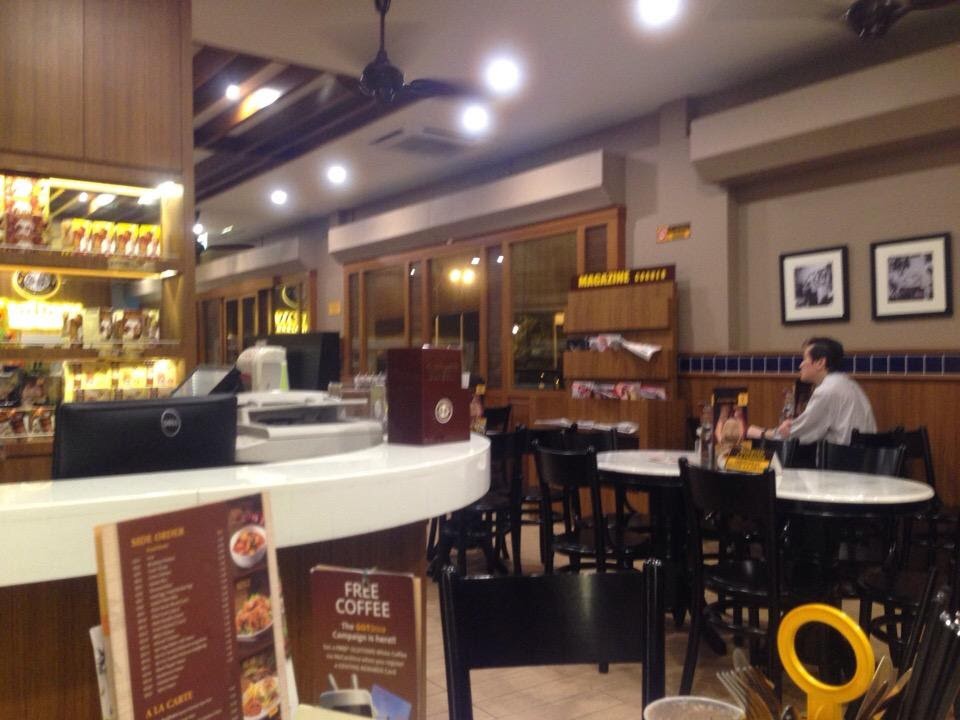
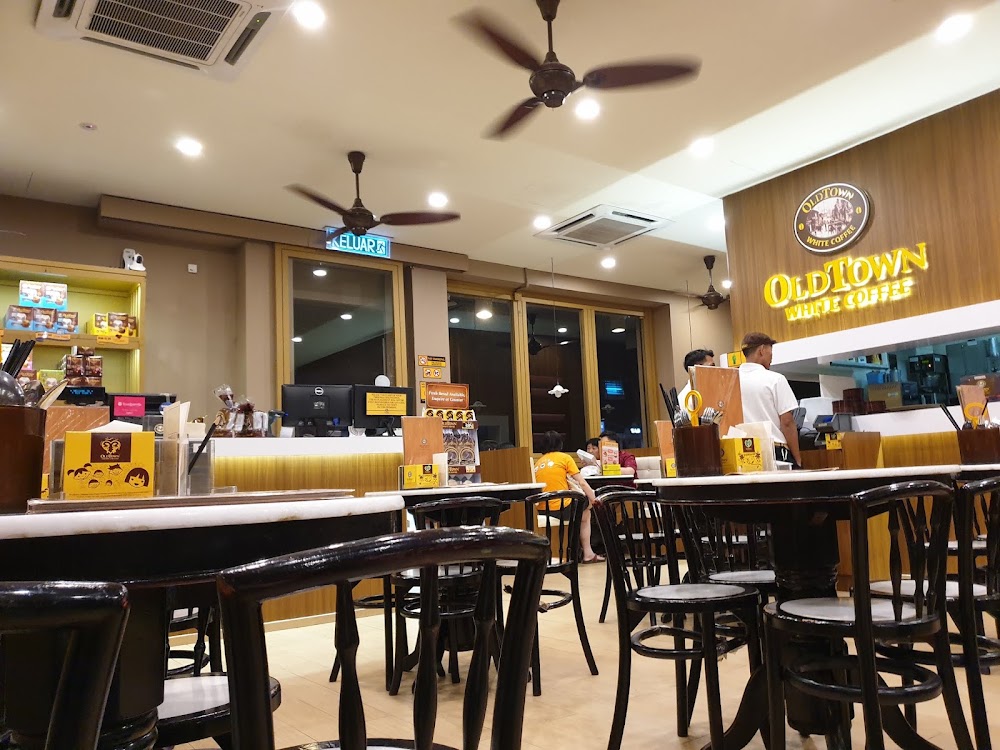
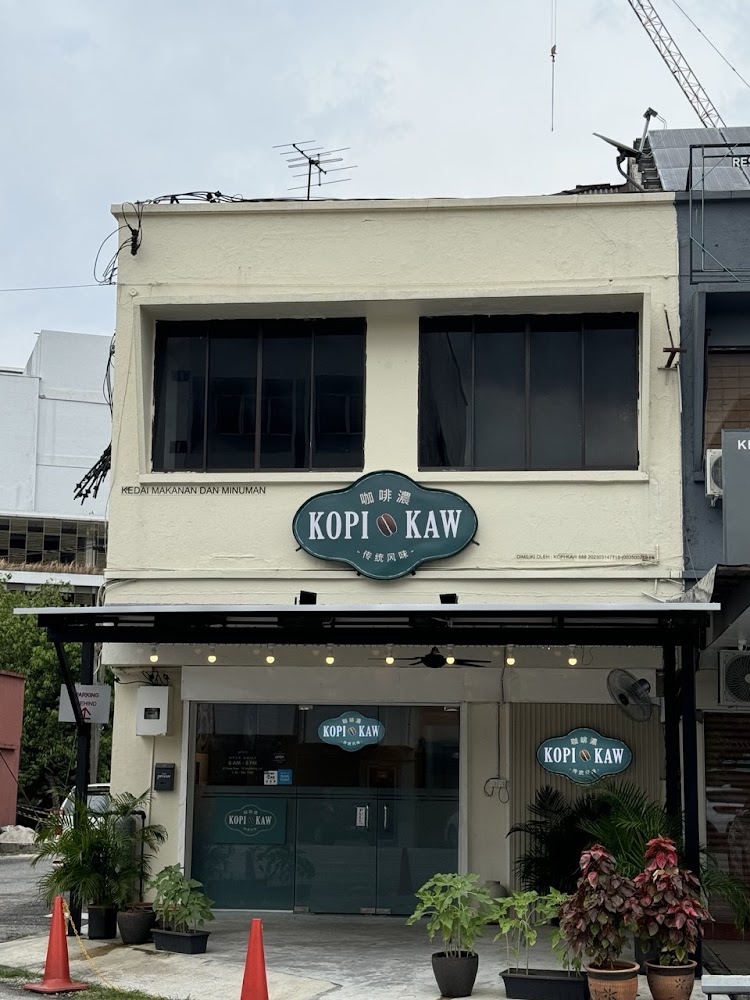
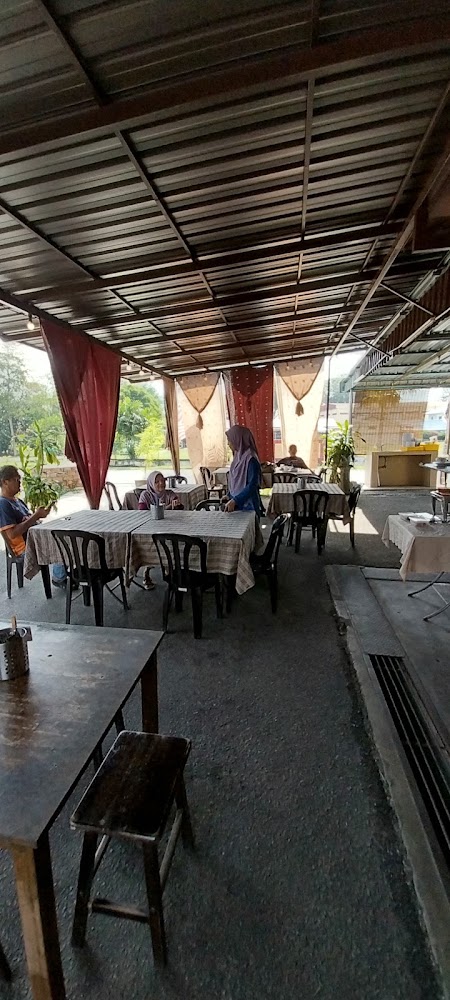
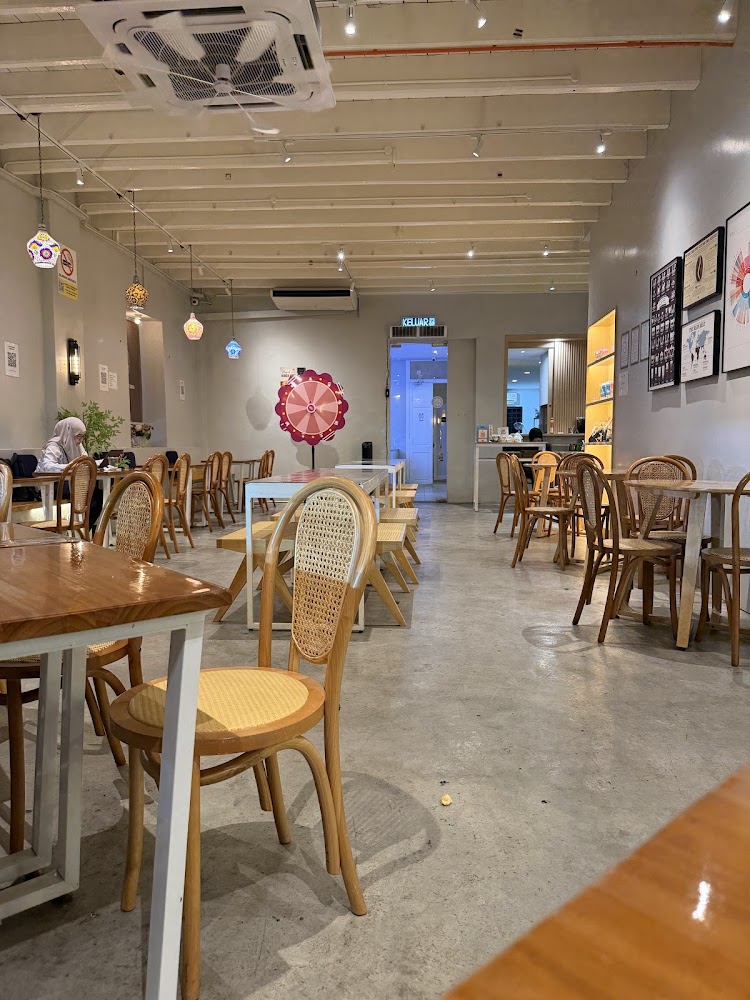
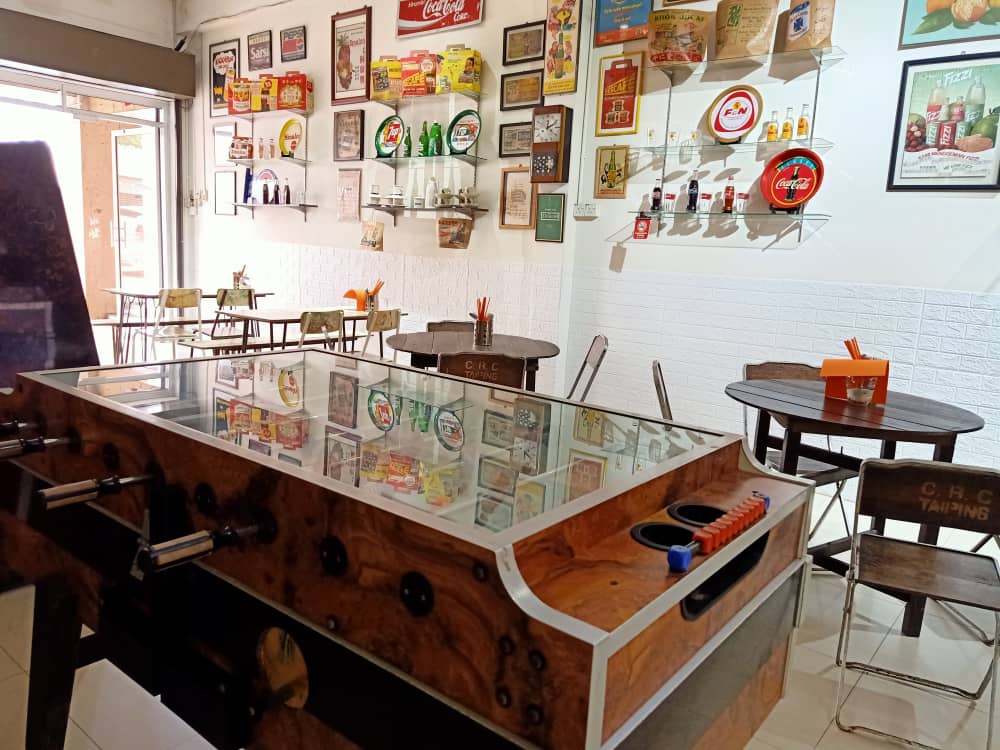
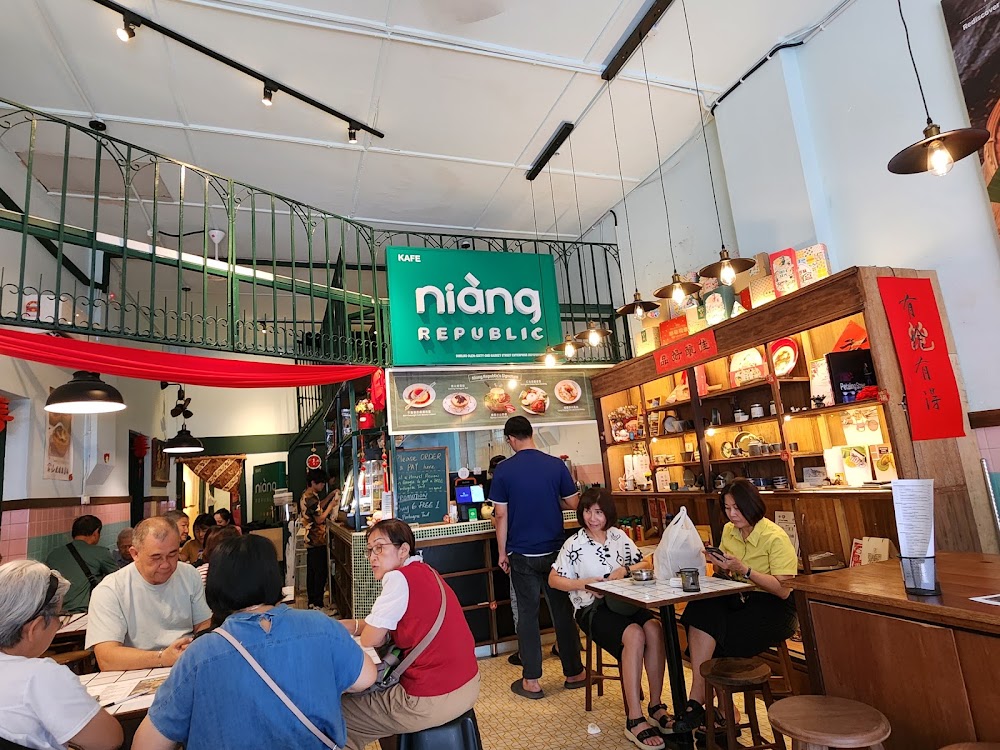
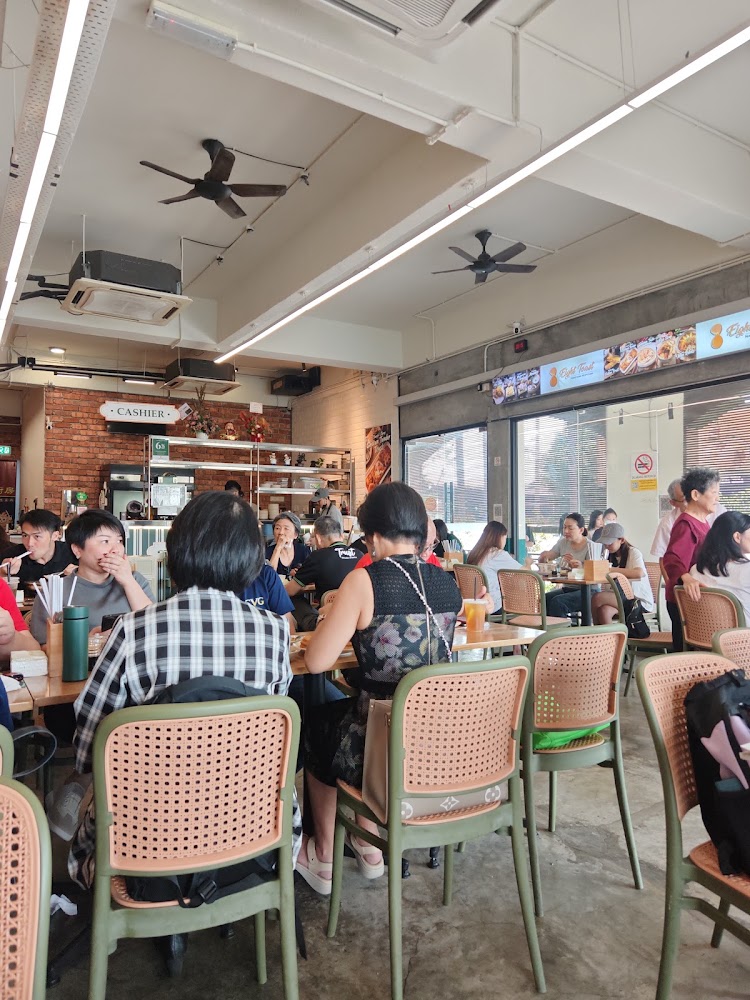
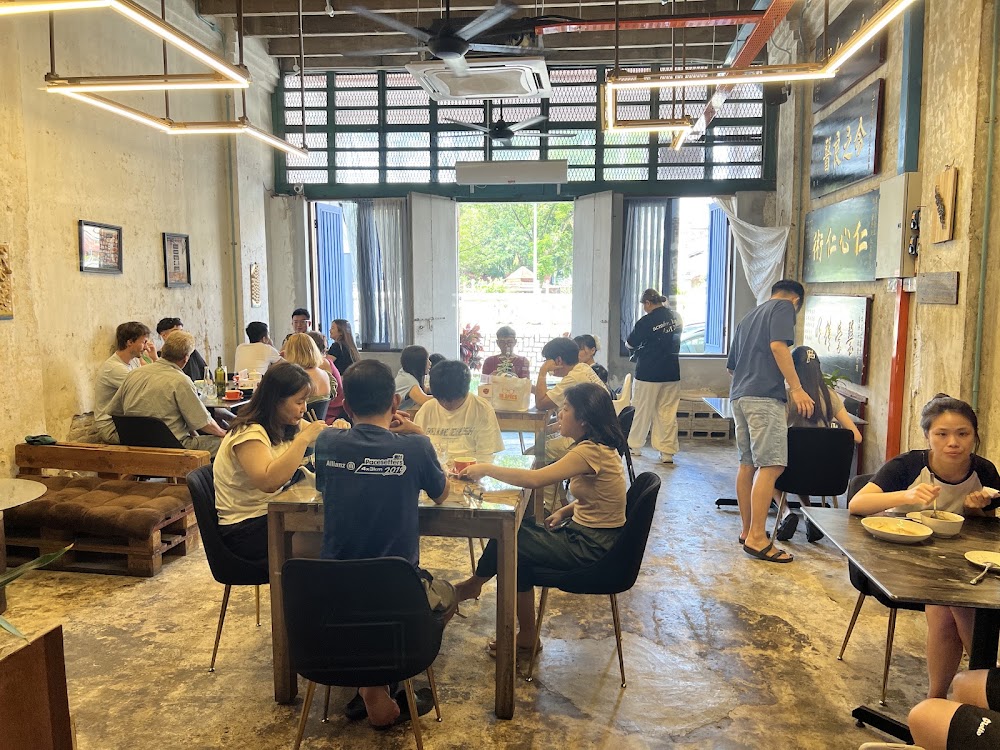
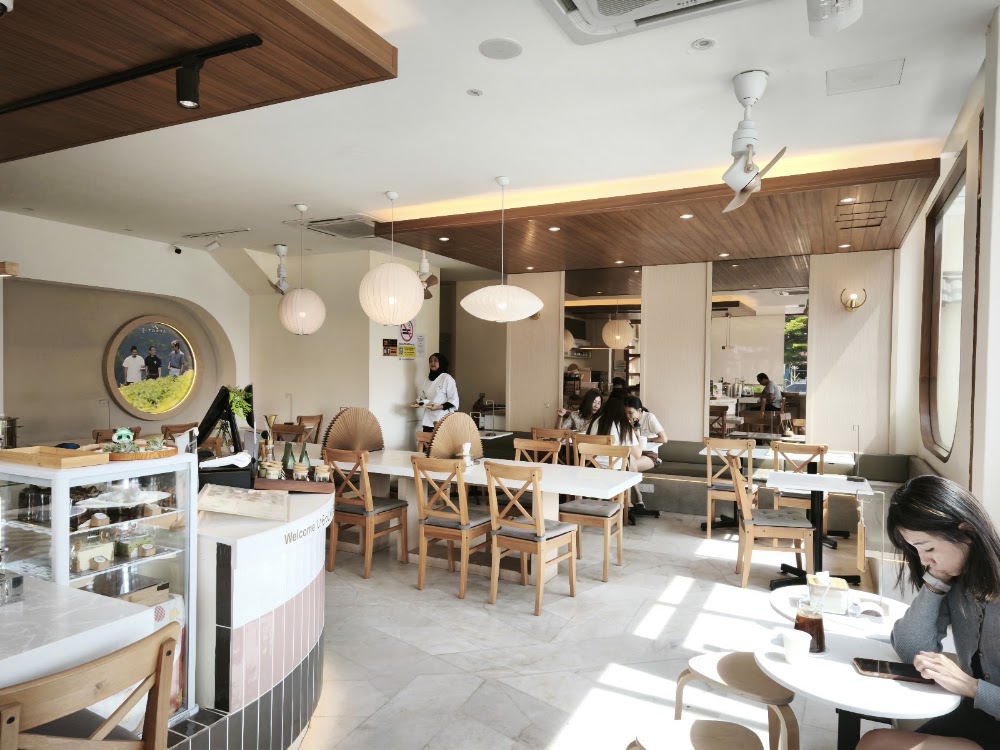
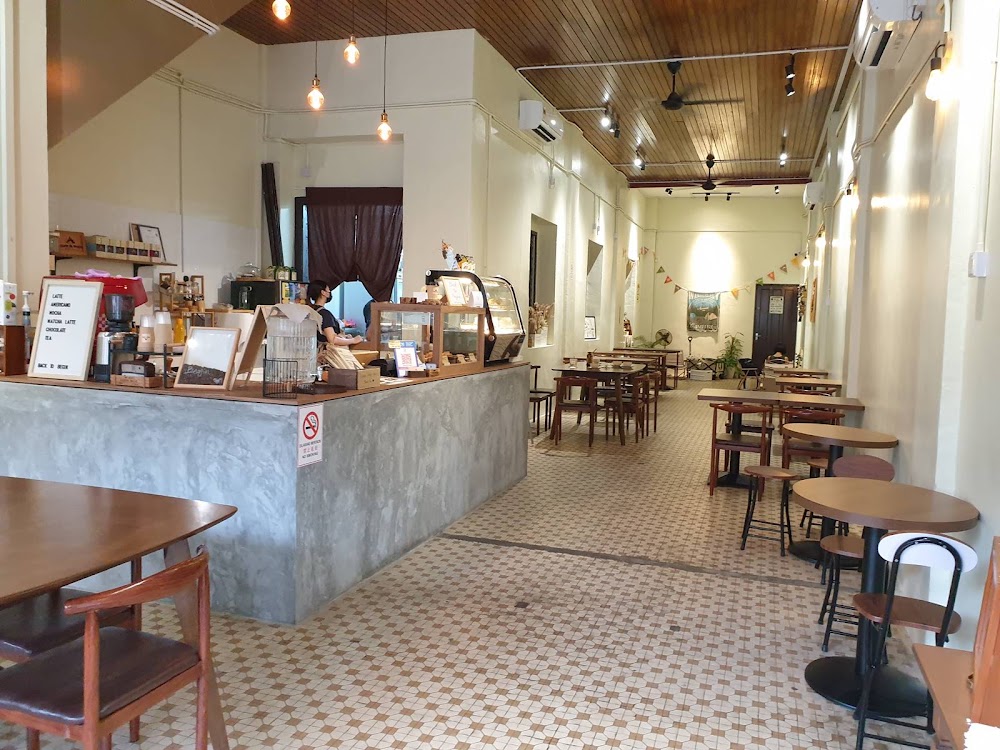
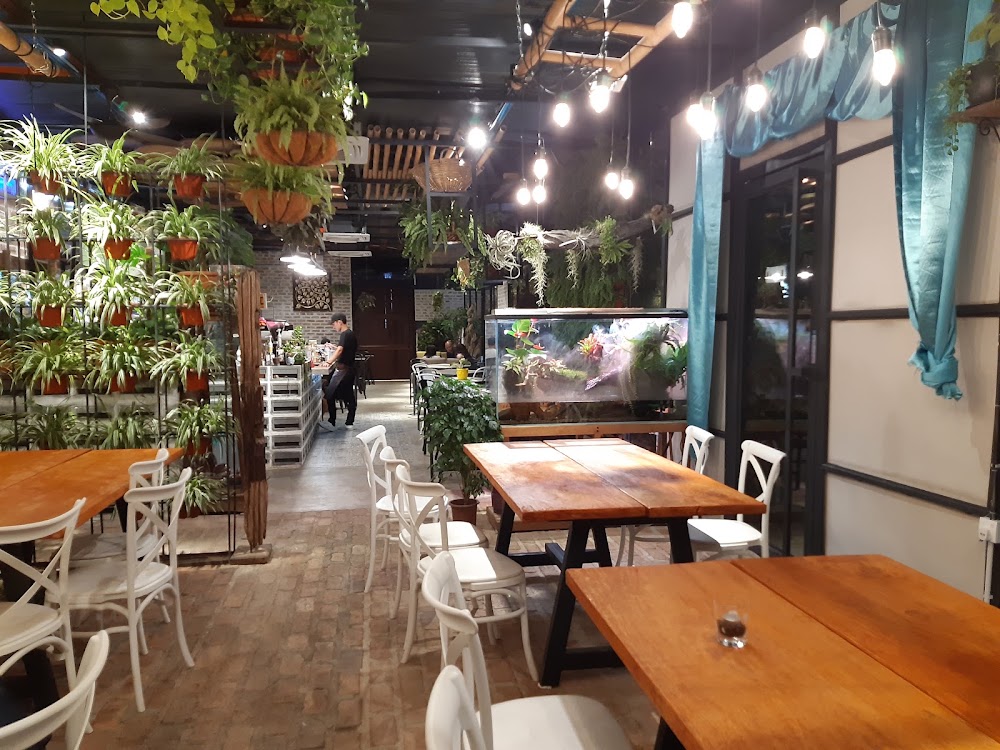
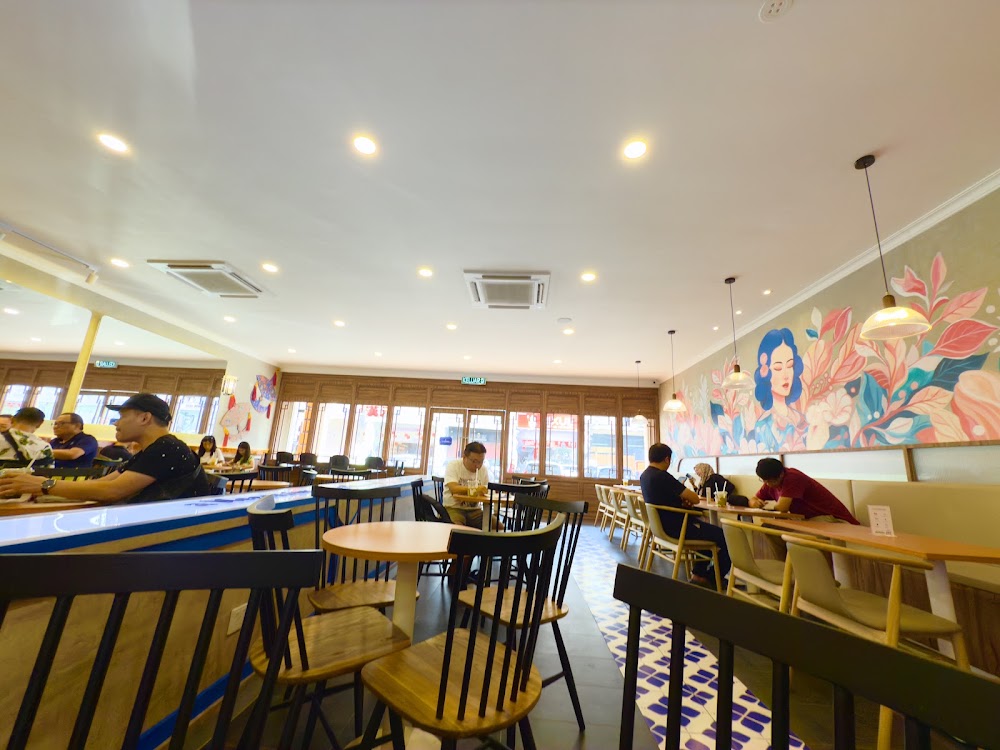
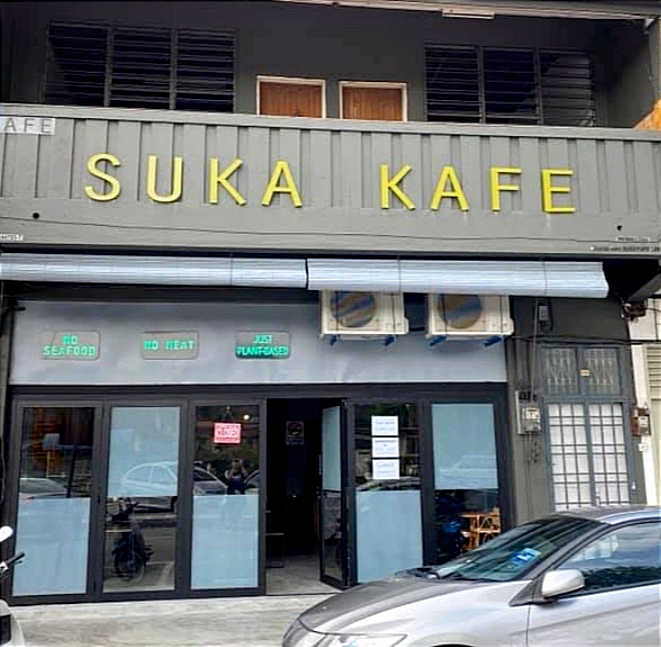
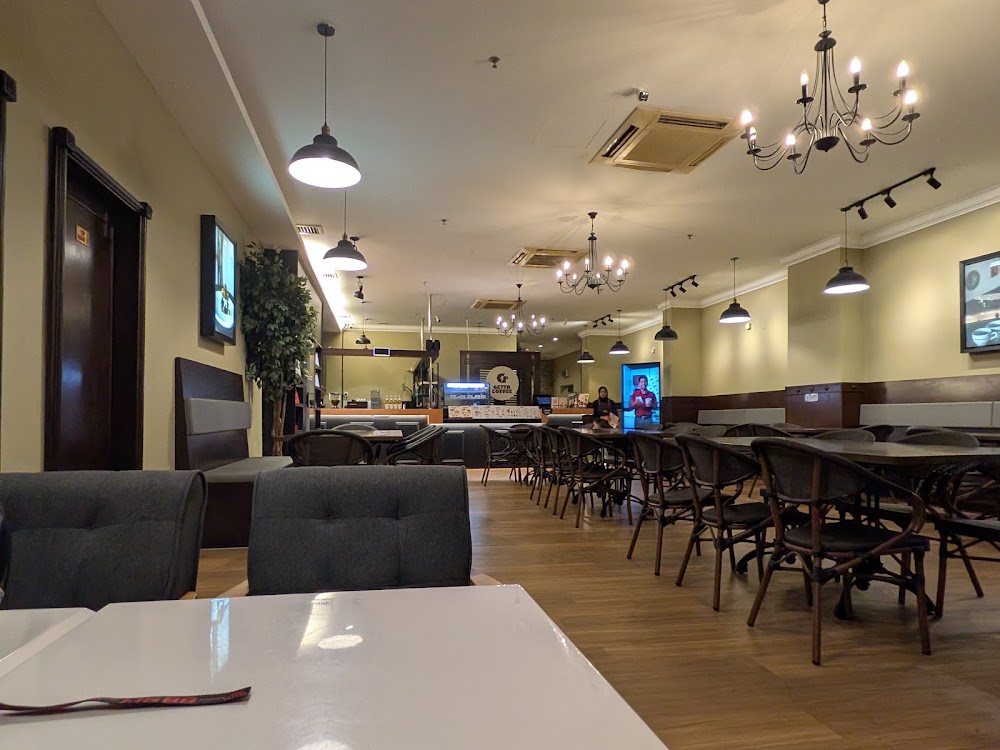
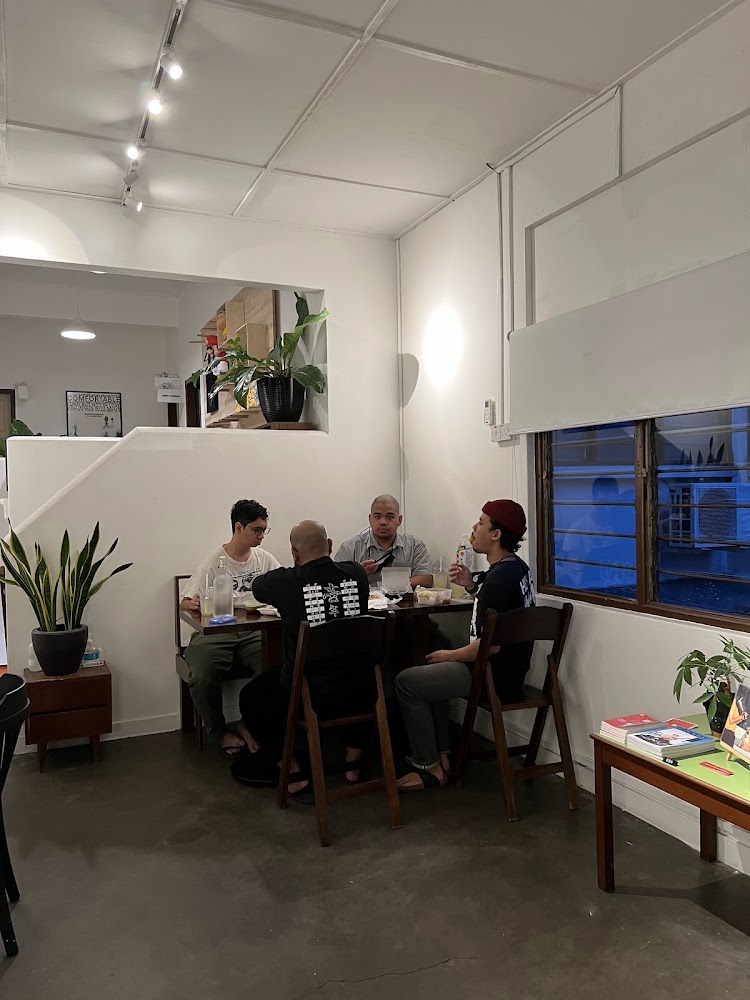
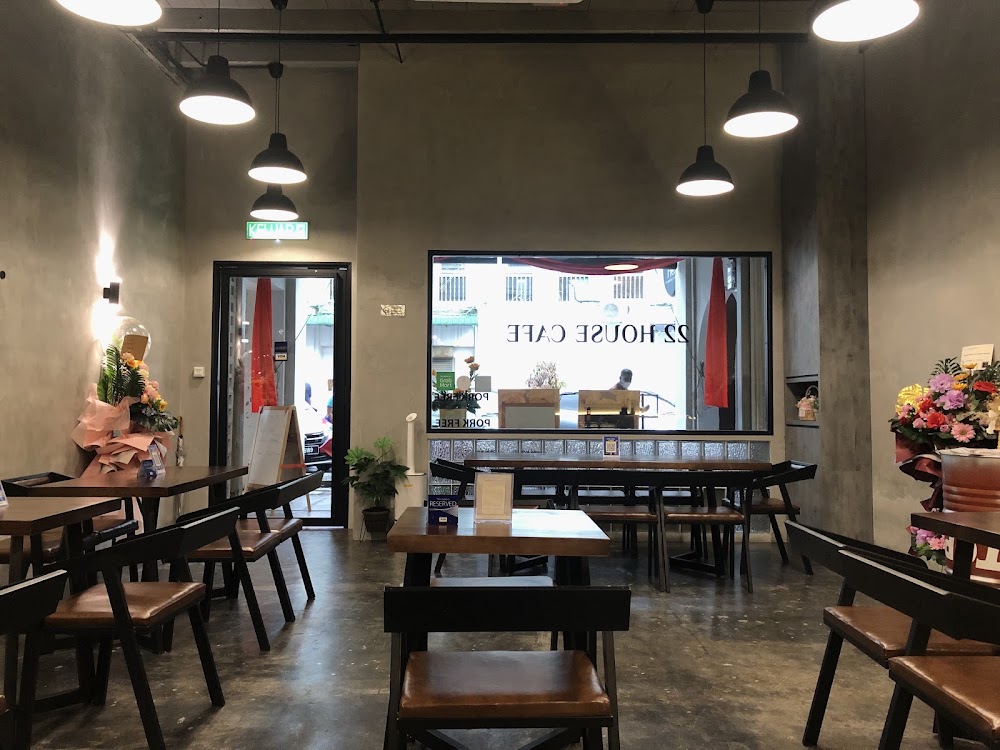
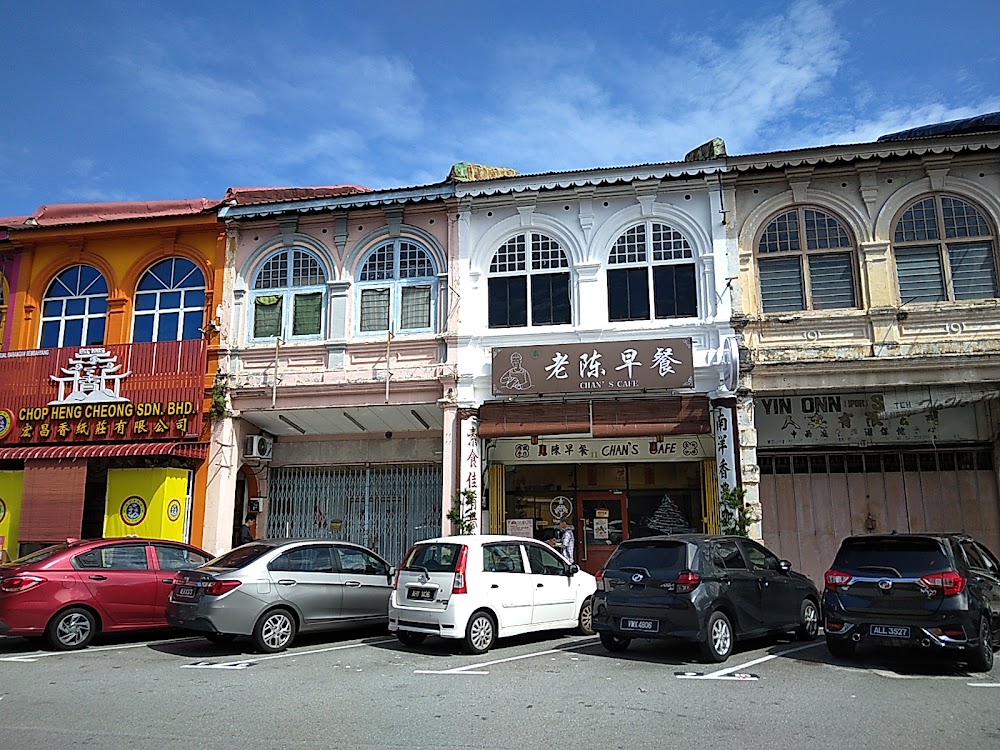
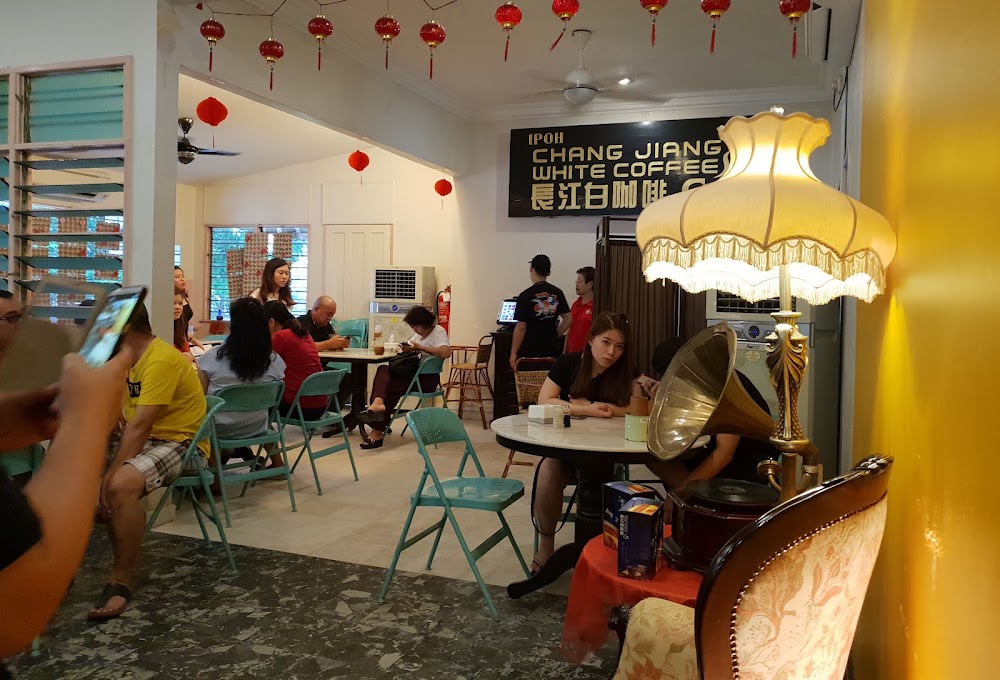
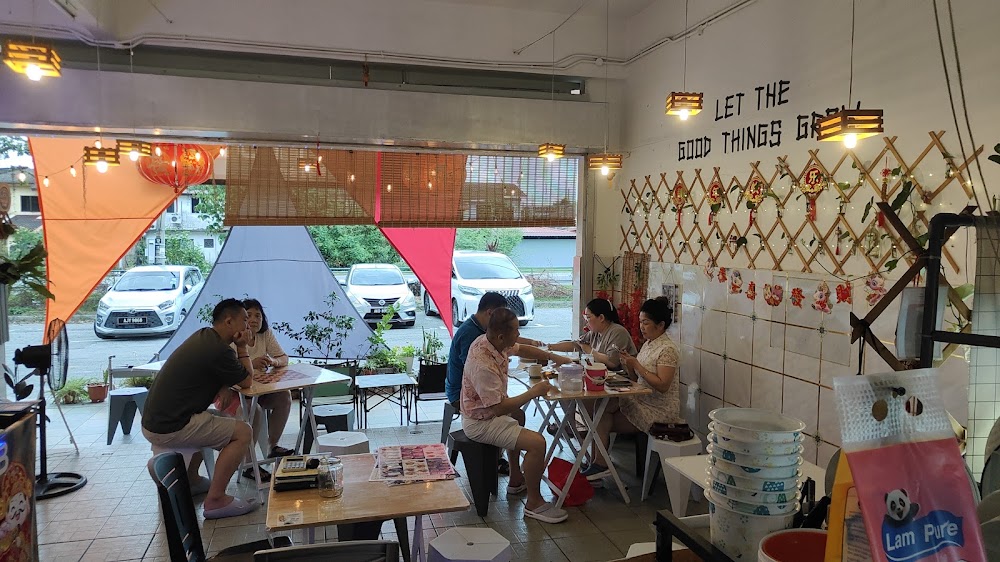
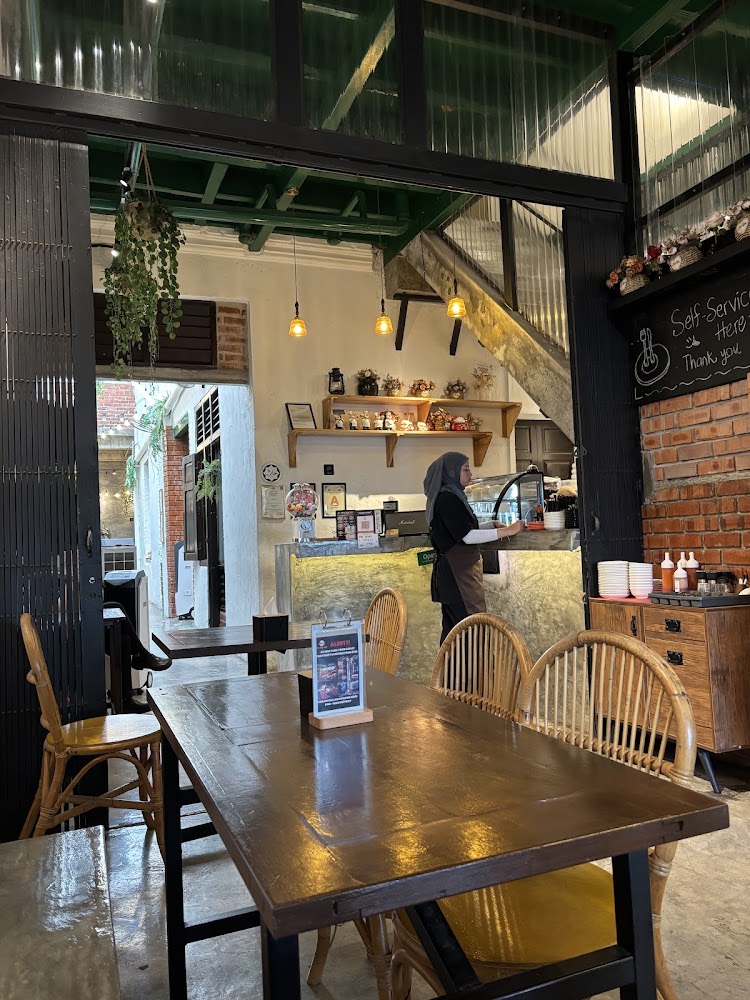
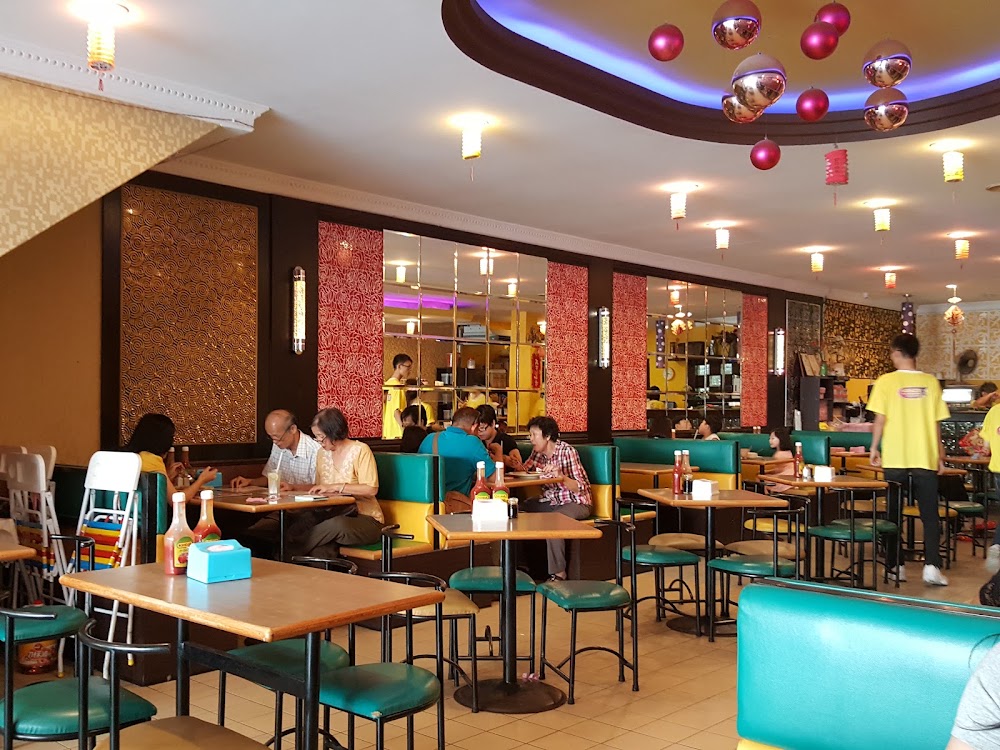
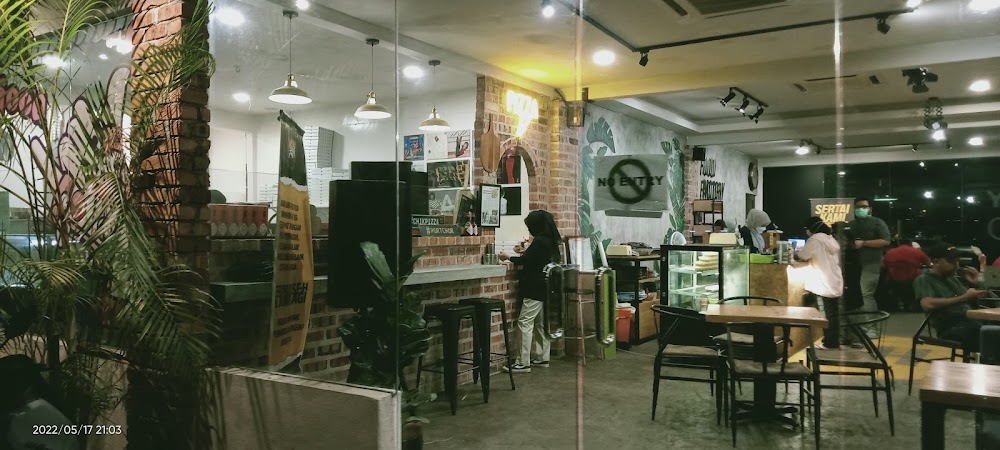
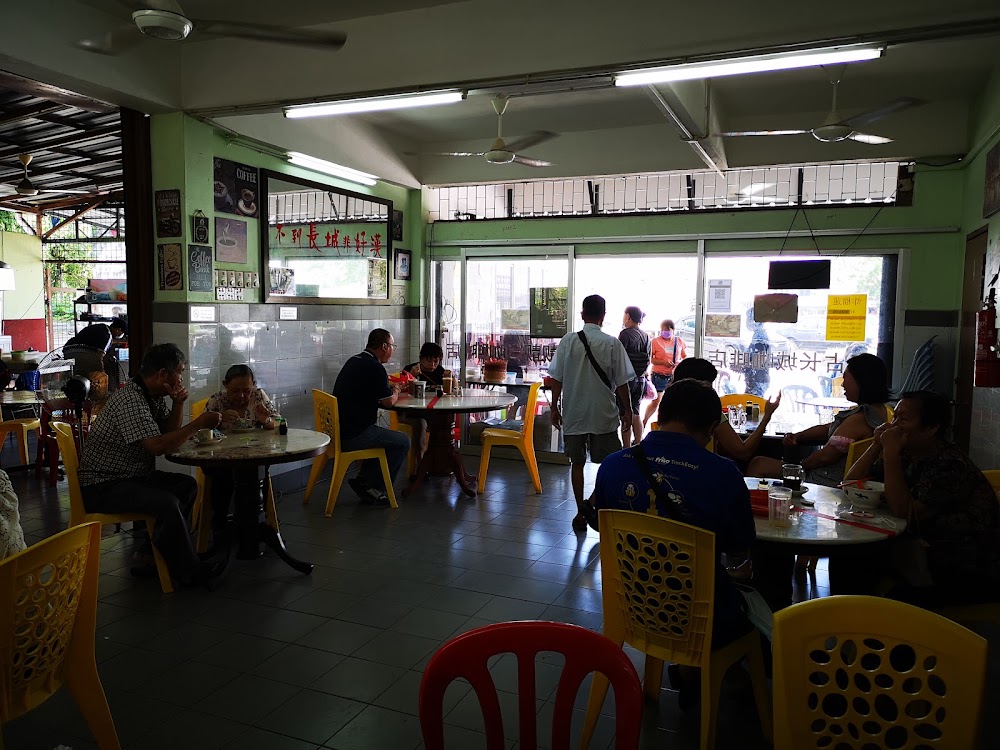
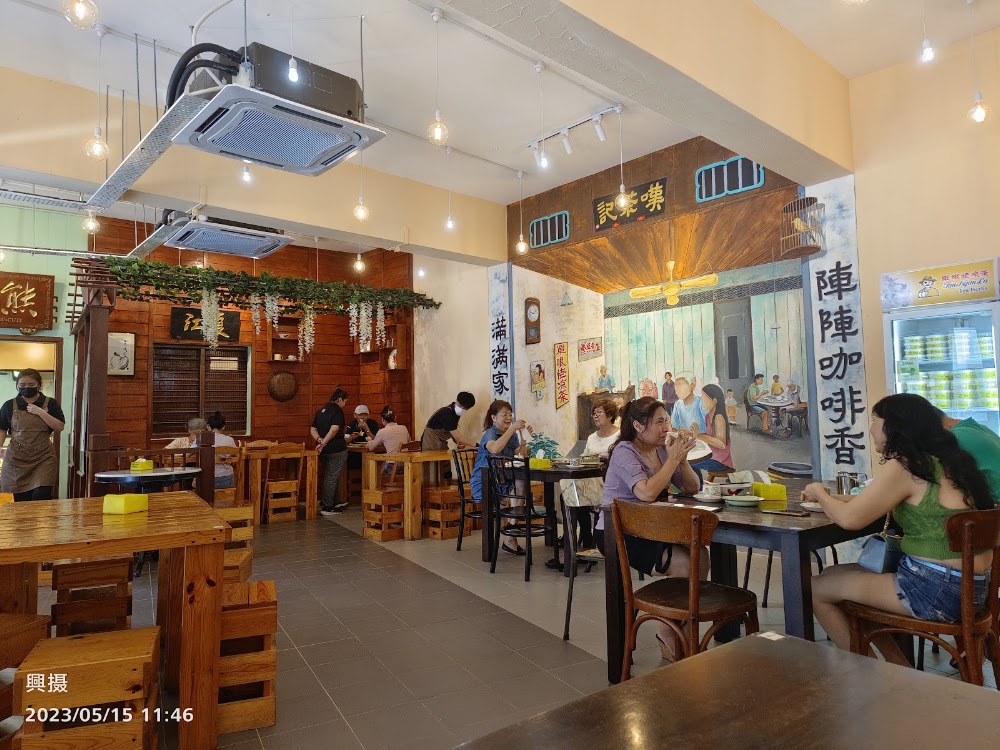
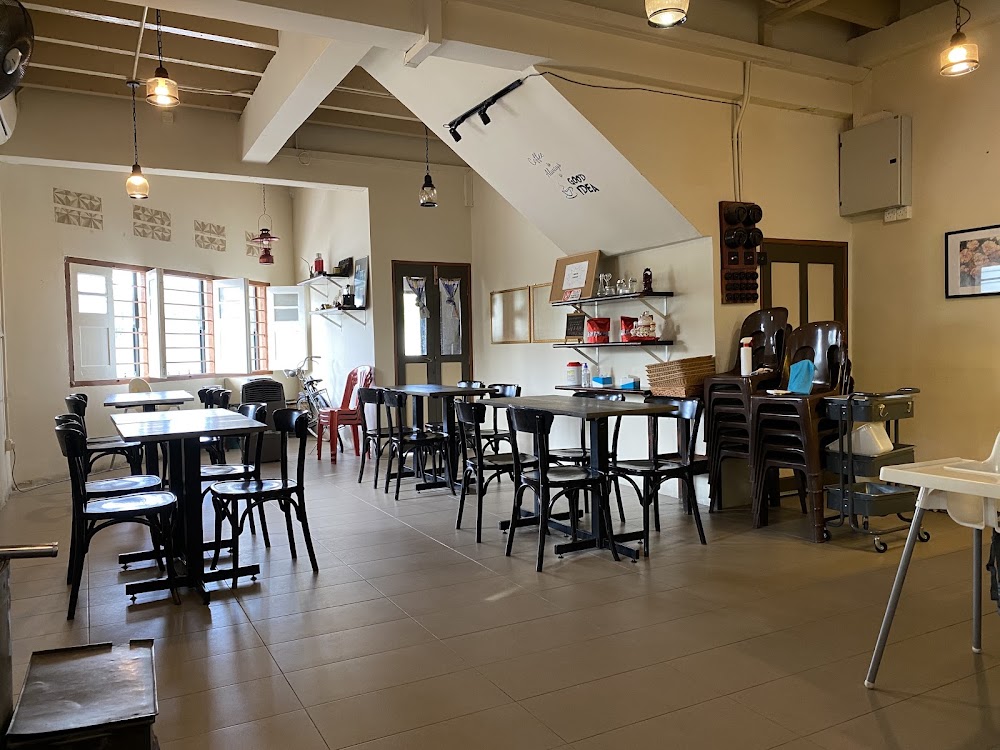
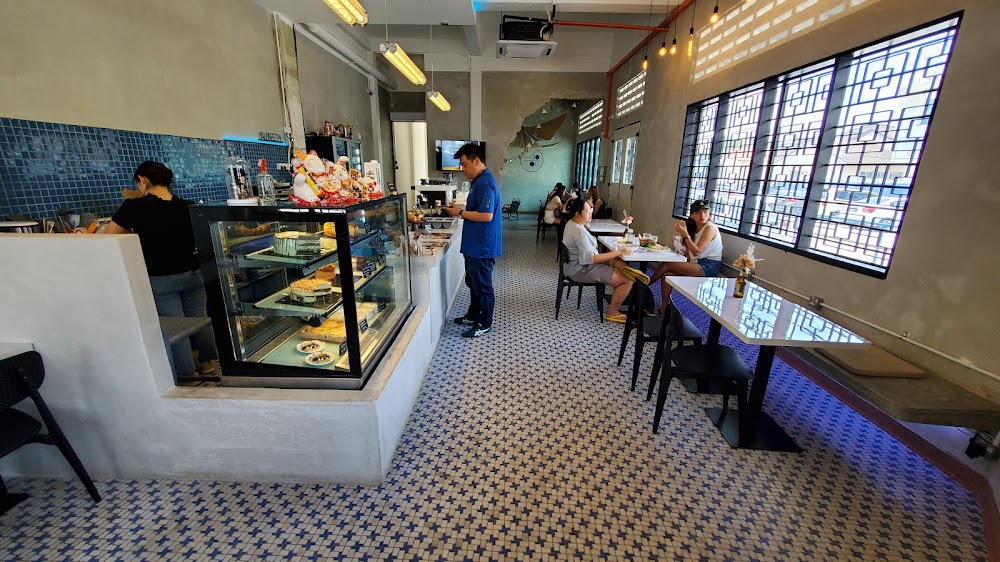
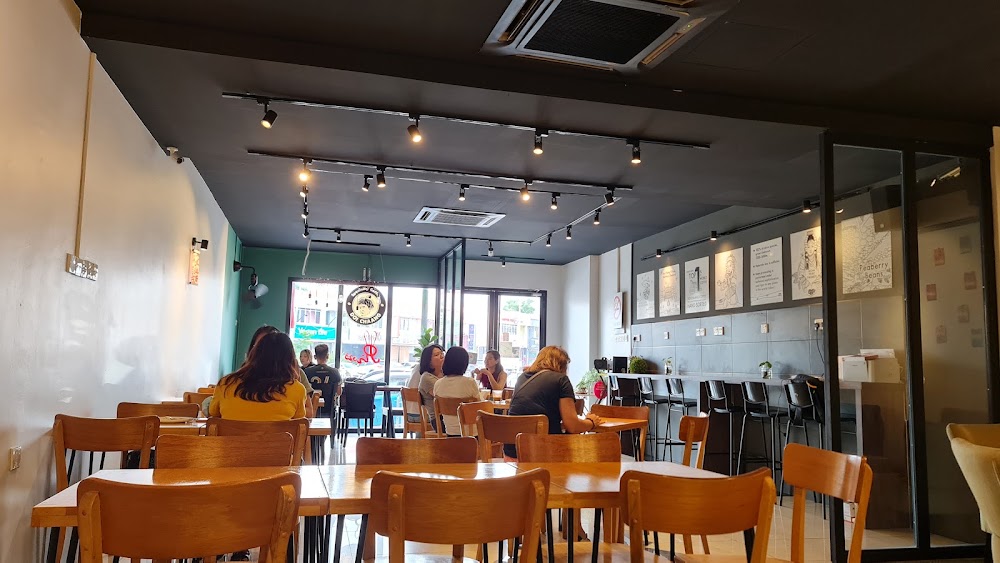
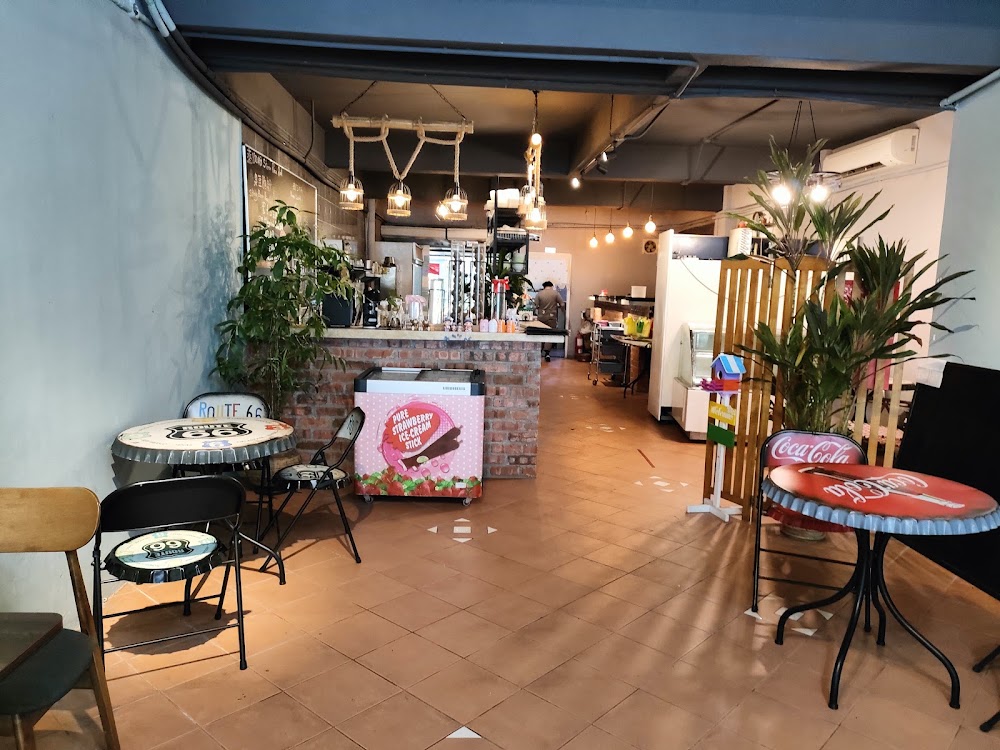
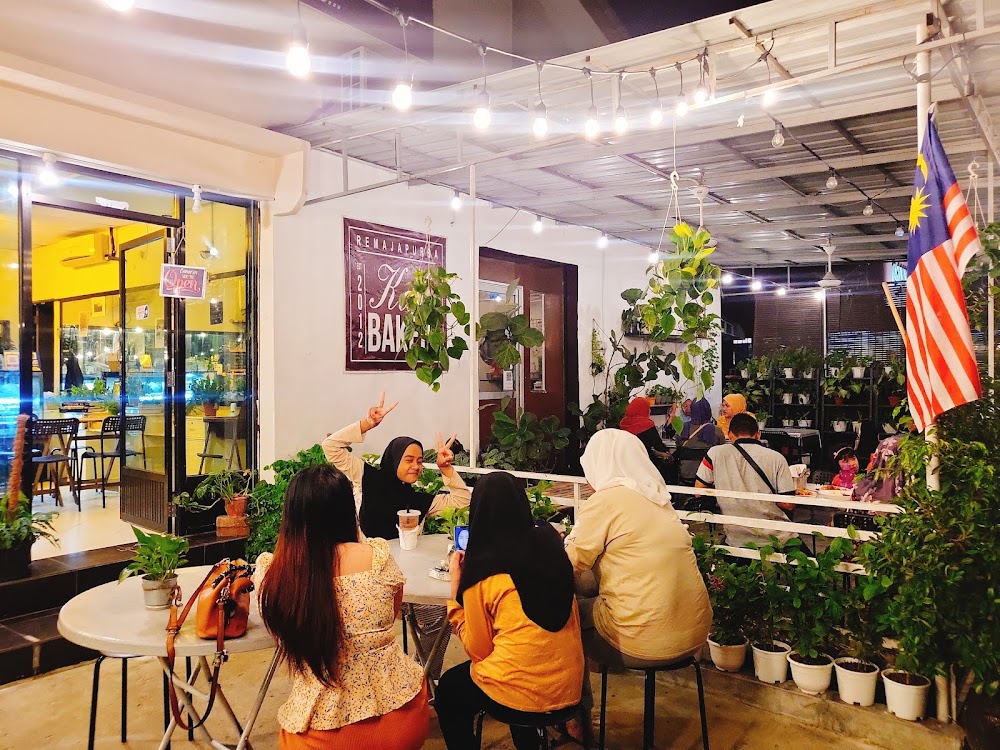
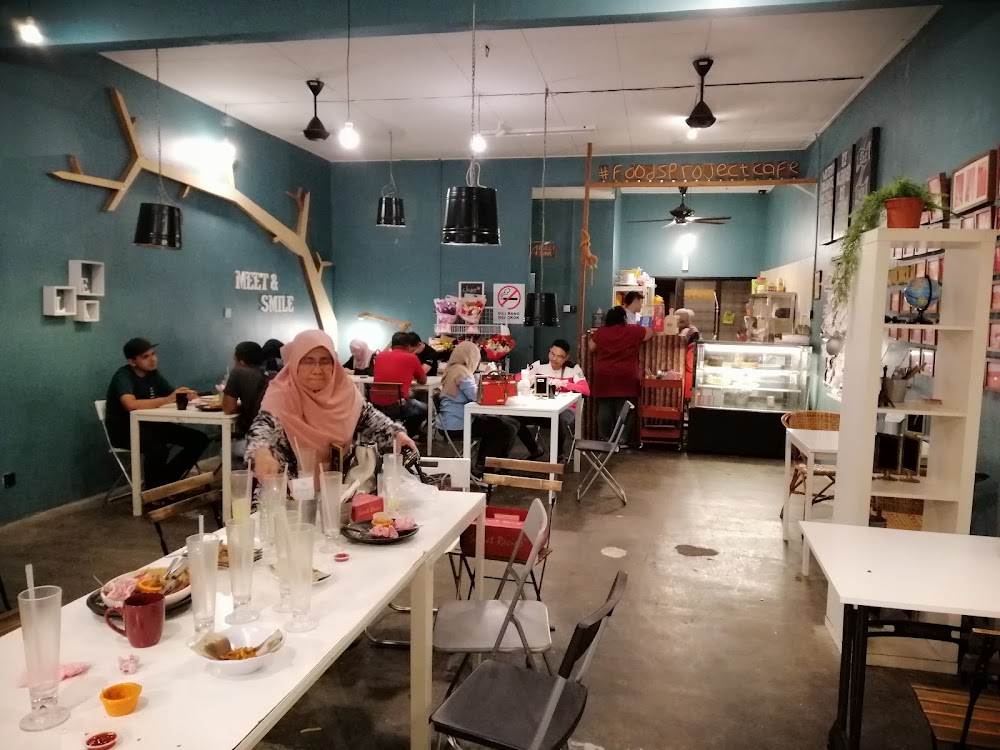
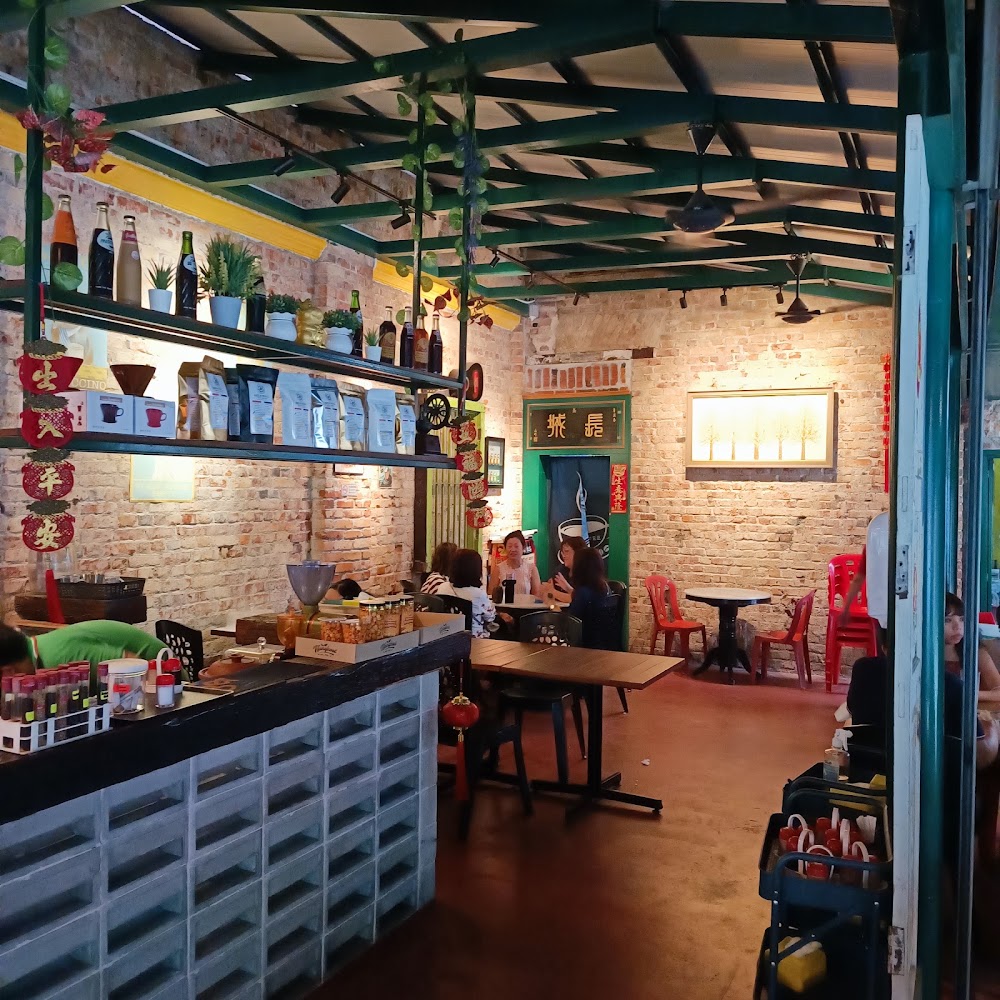
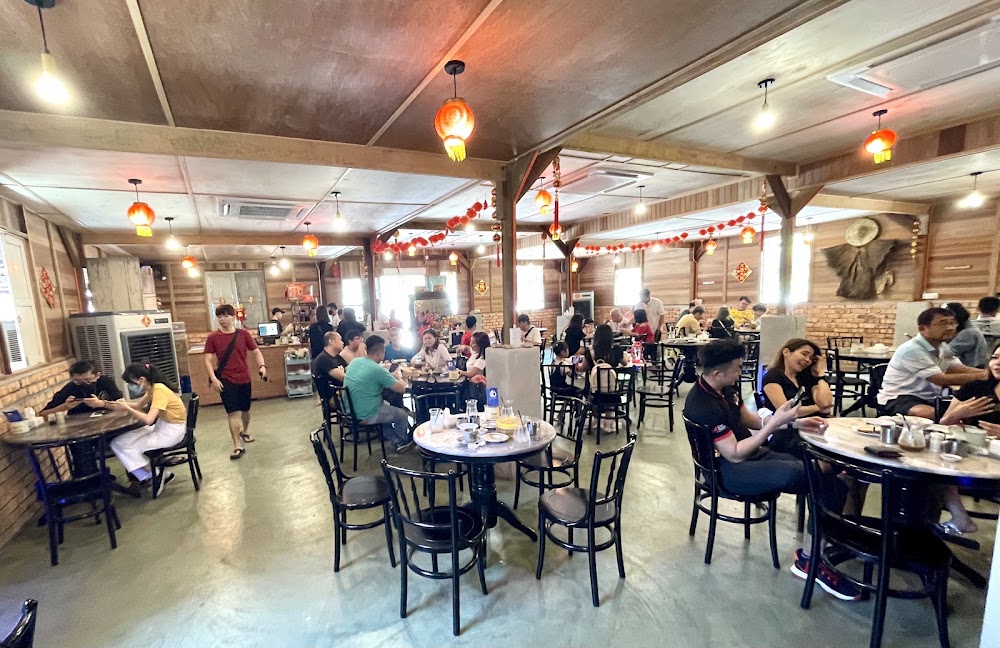
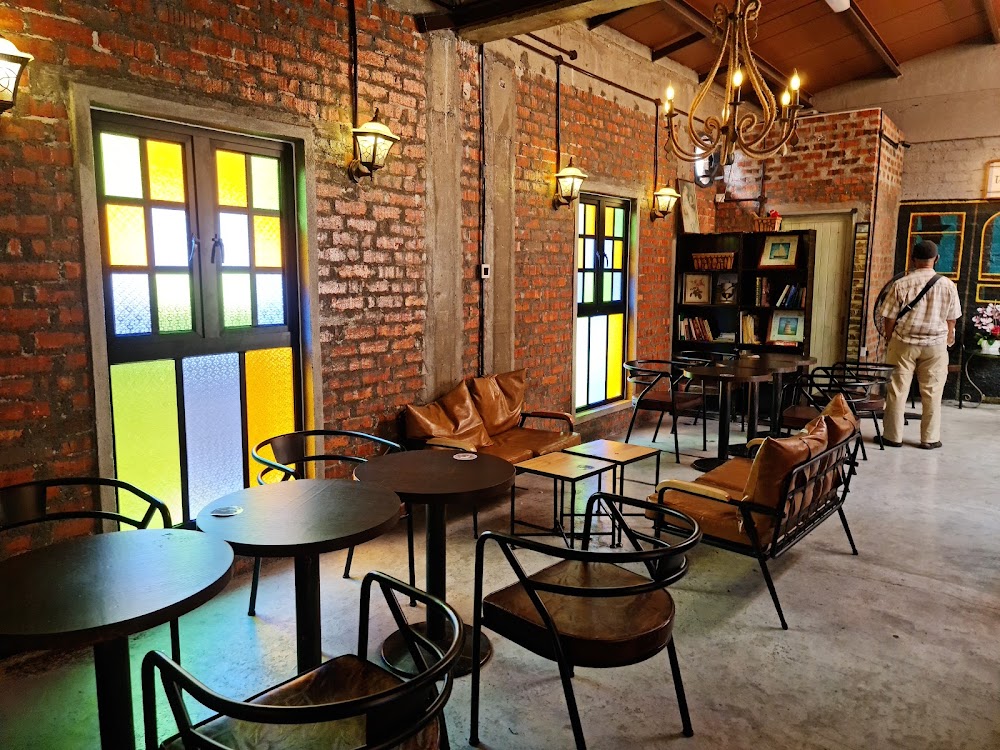
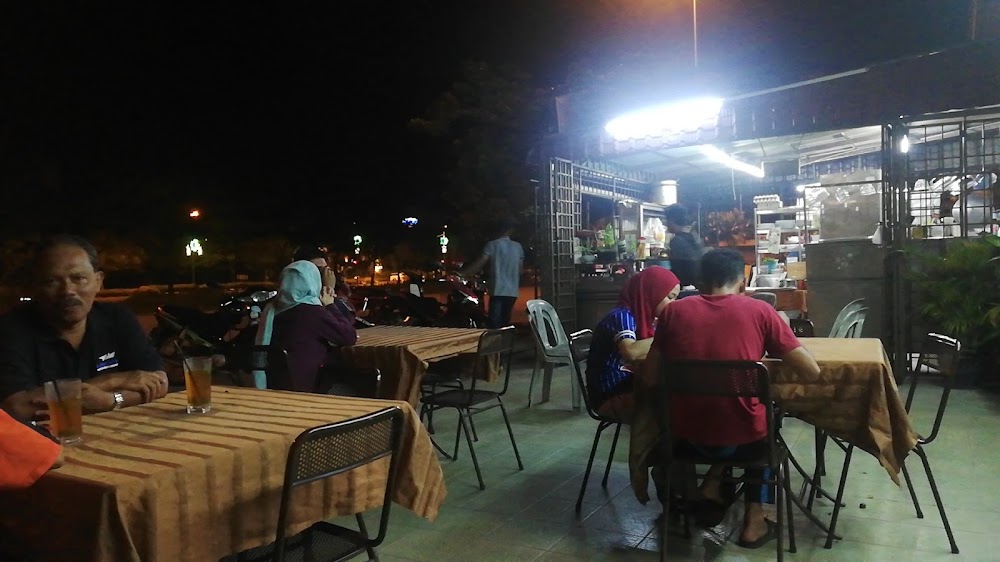
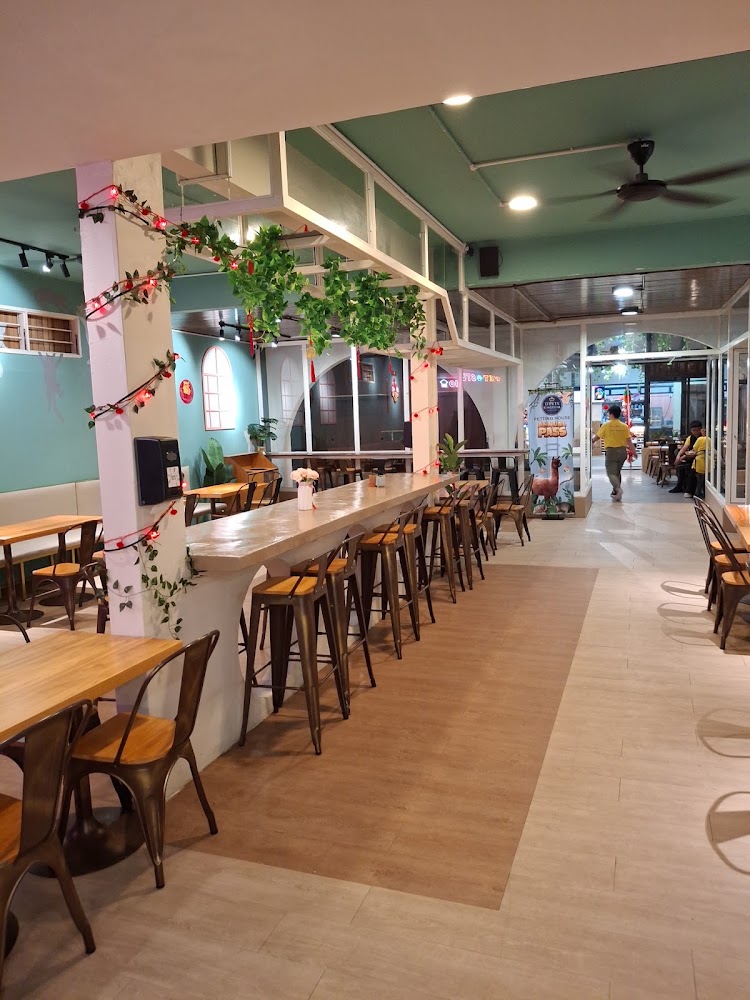
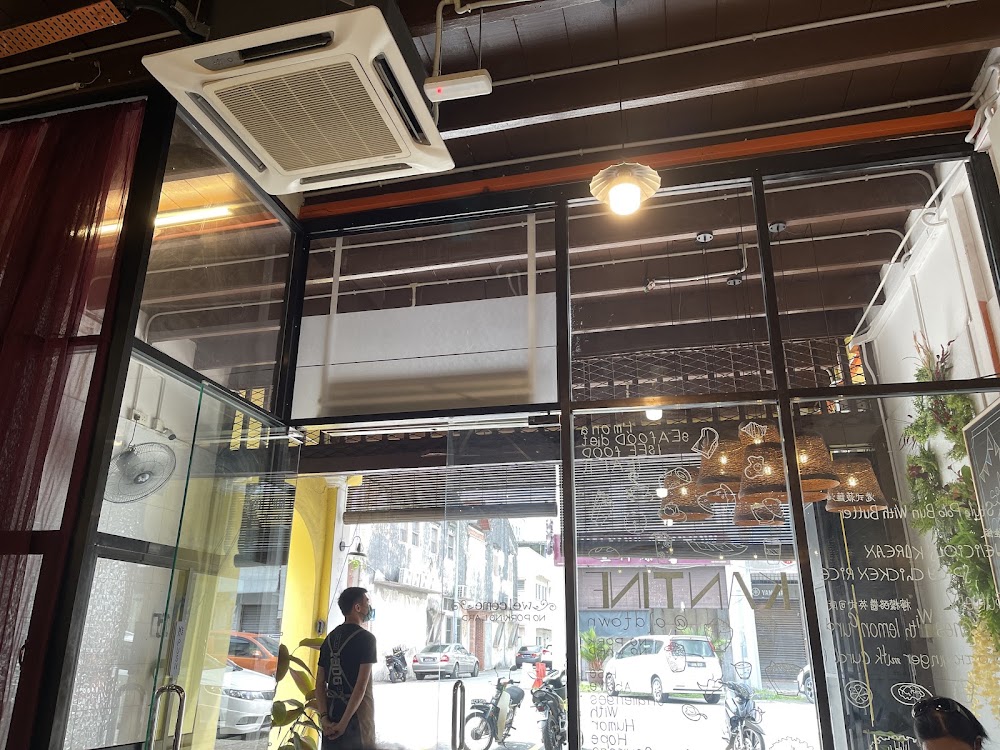
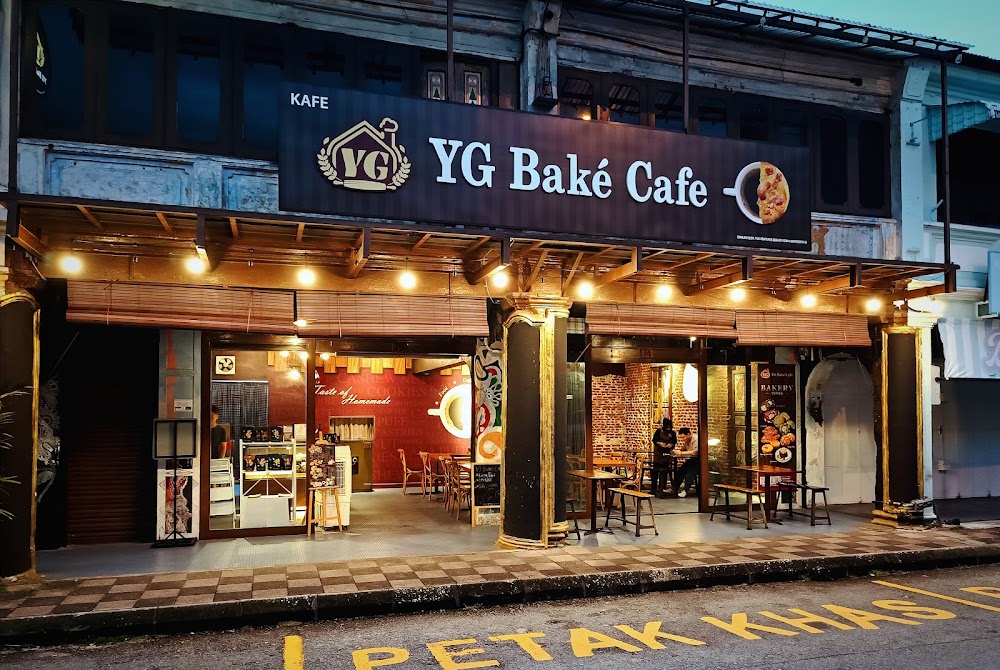
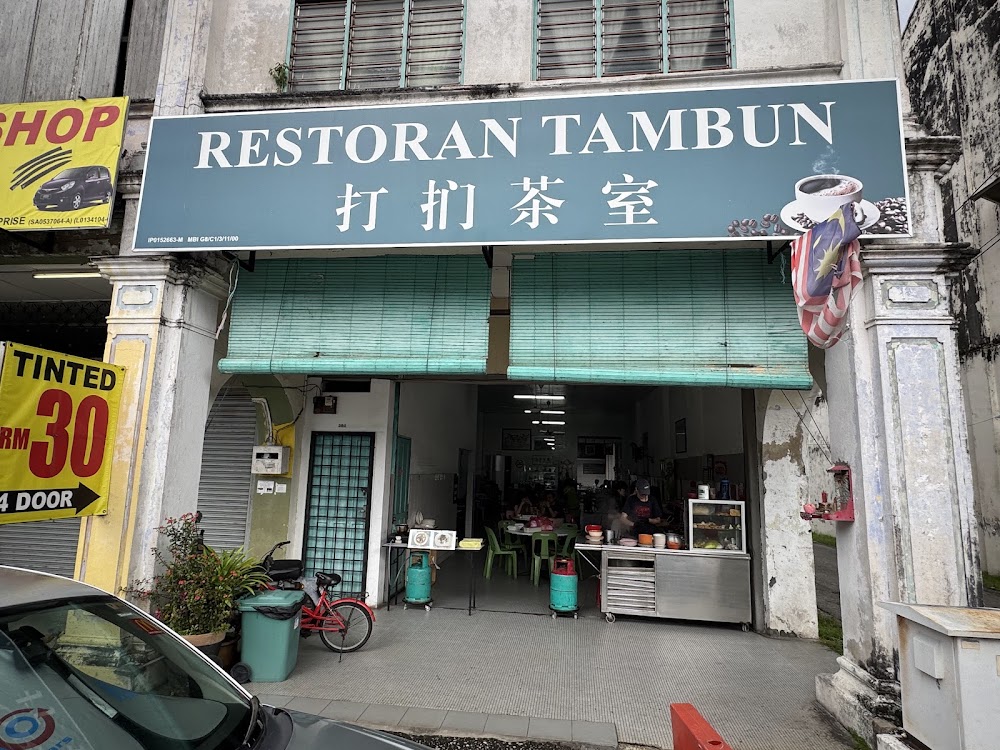
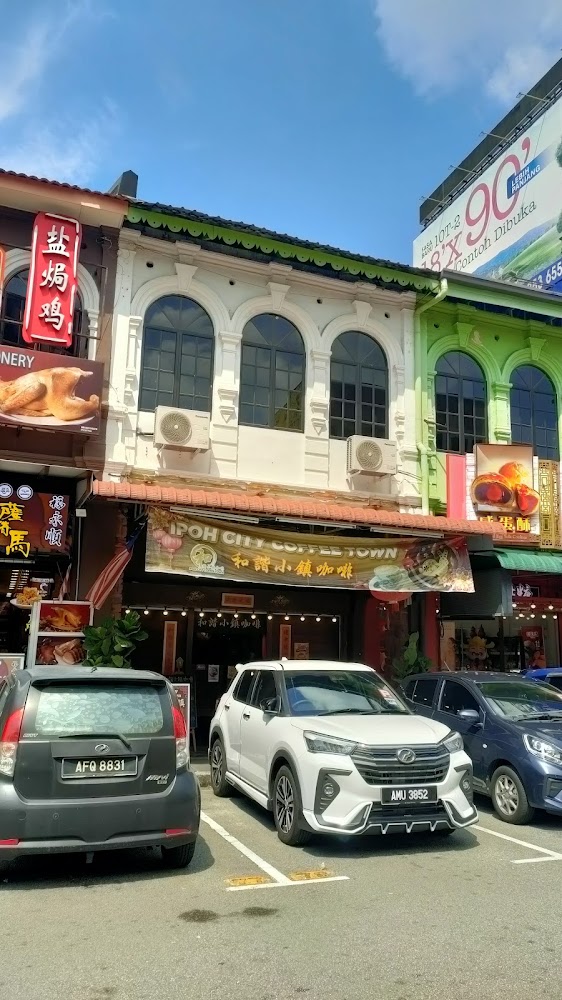
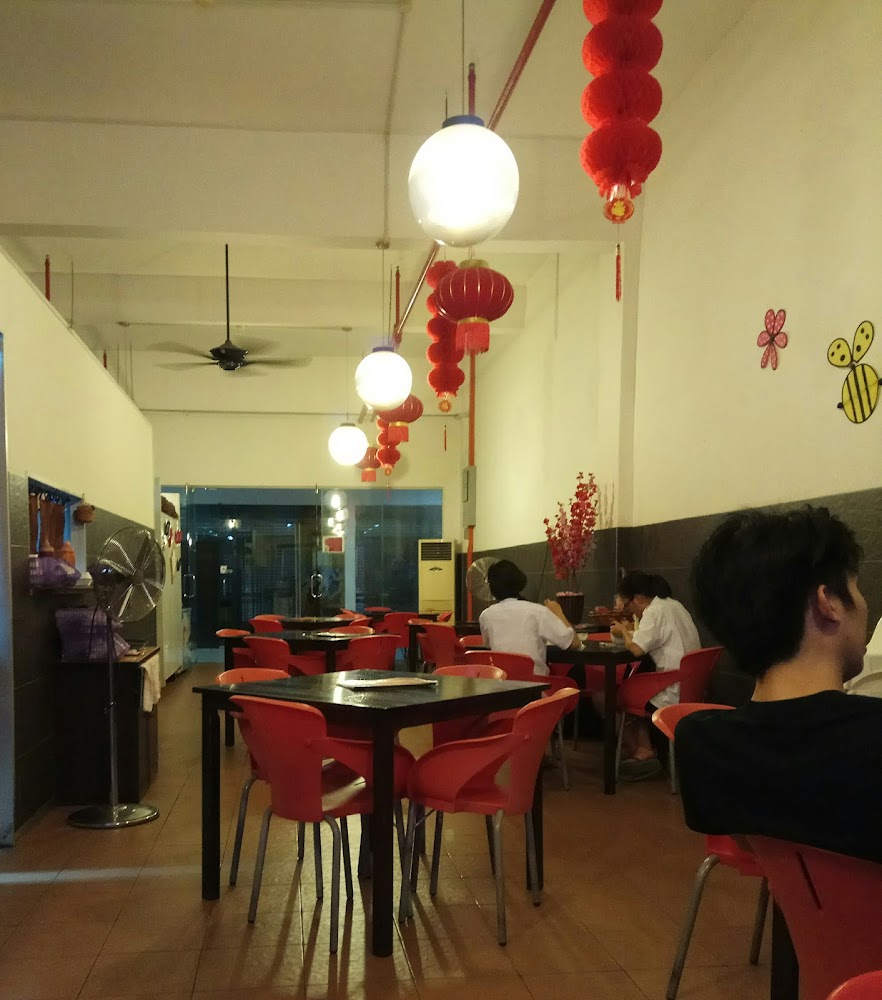
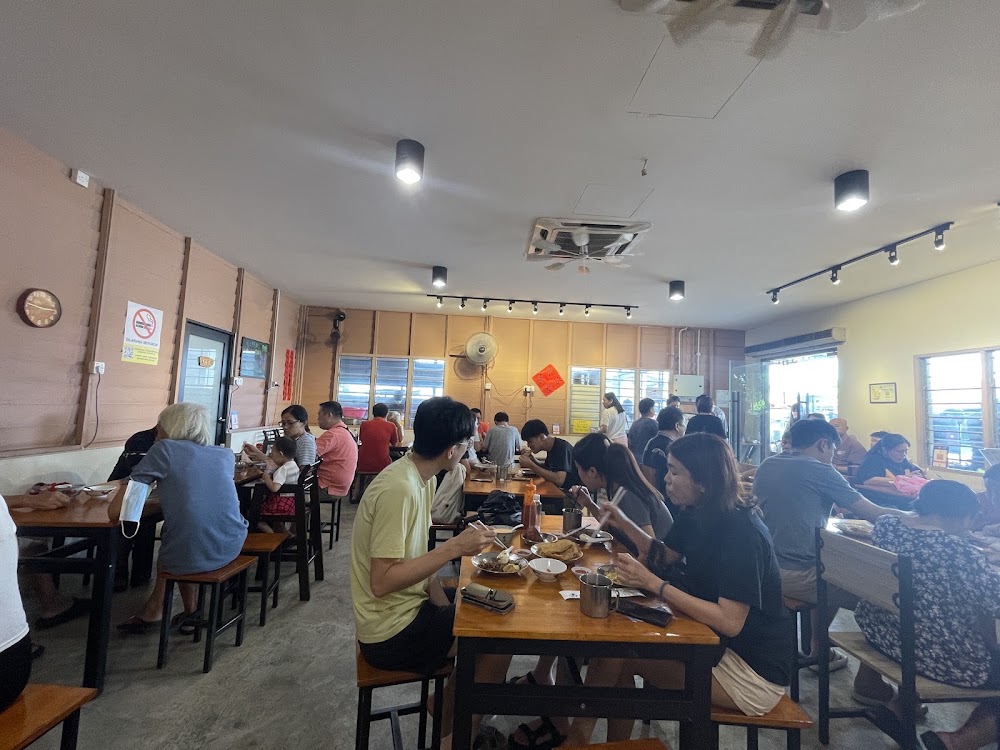
A kopitiam is Ipoh's version of the neighbourhood cafe: marble-top tables, mismatched chairs, a coffee roaster or tea-sock station running since before most of us were born, and a menu built around kaya toast, soft-boiled eggs, and a cup of coffee or white coffee brewed the old way. With 231 of them listed in this category, the city has no shortage of options, from decades-old shophouse operators in the old town to newer spots that still stick to the traditional format.
What the service actually involves
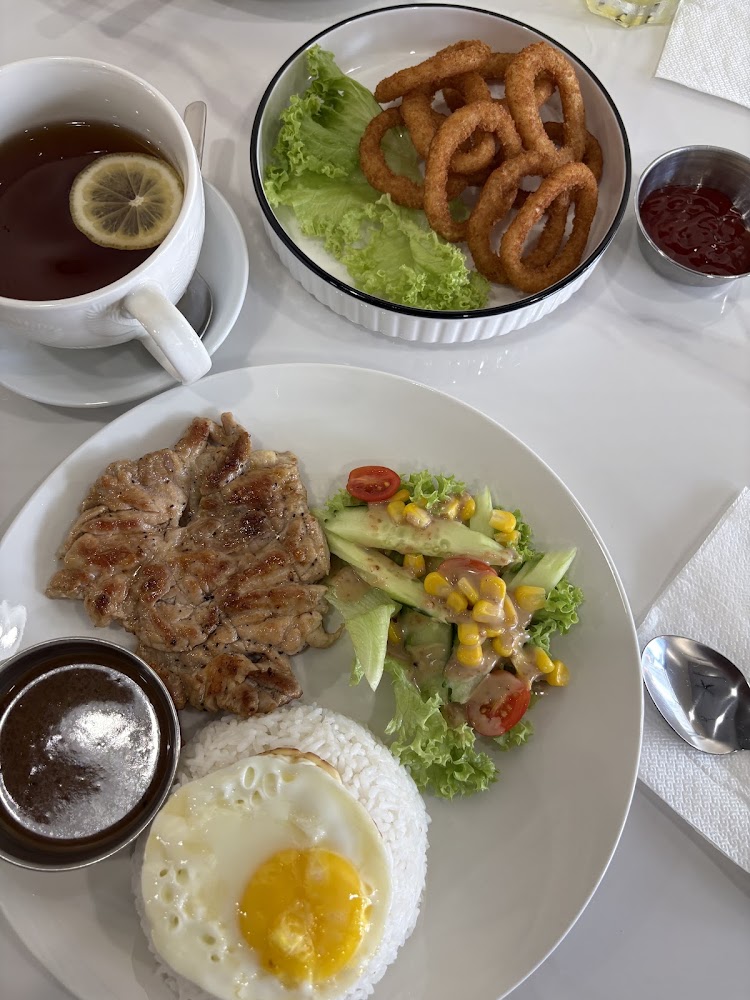
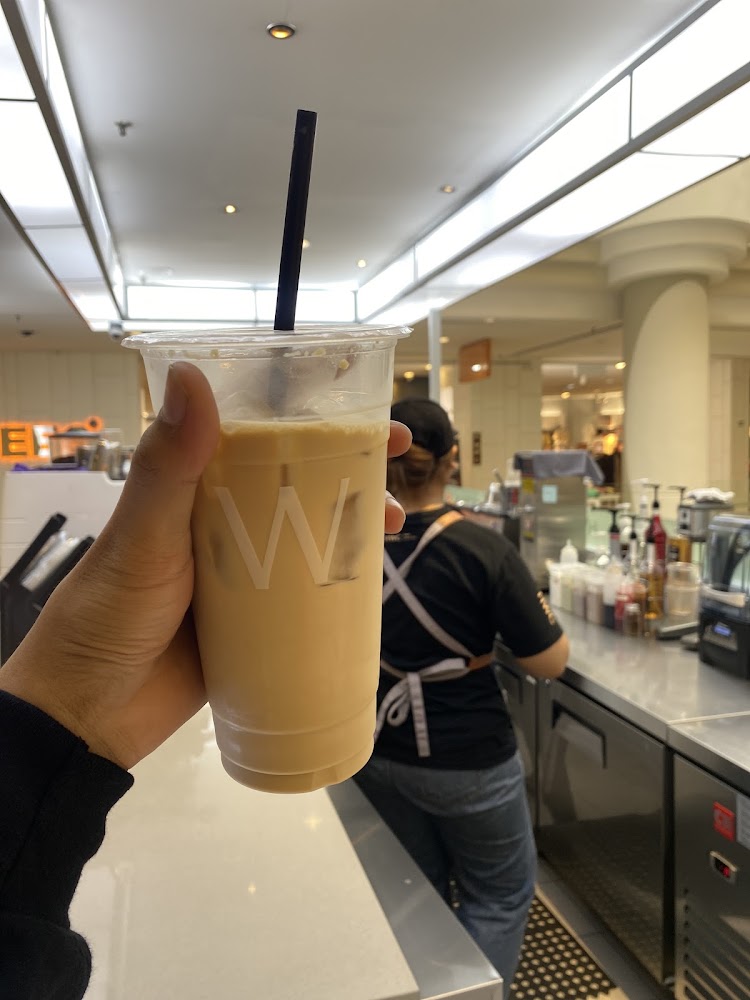
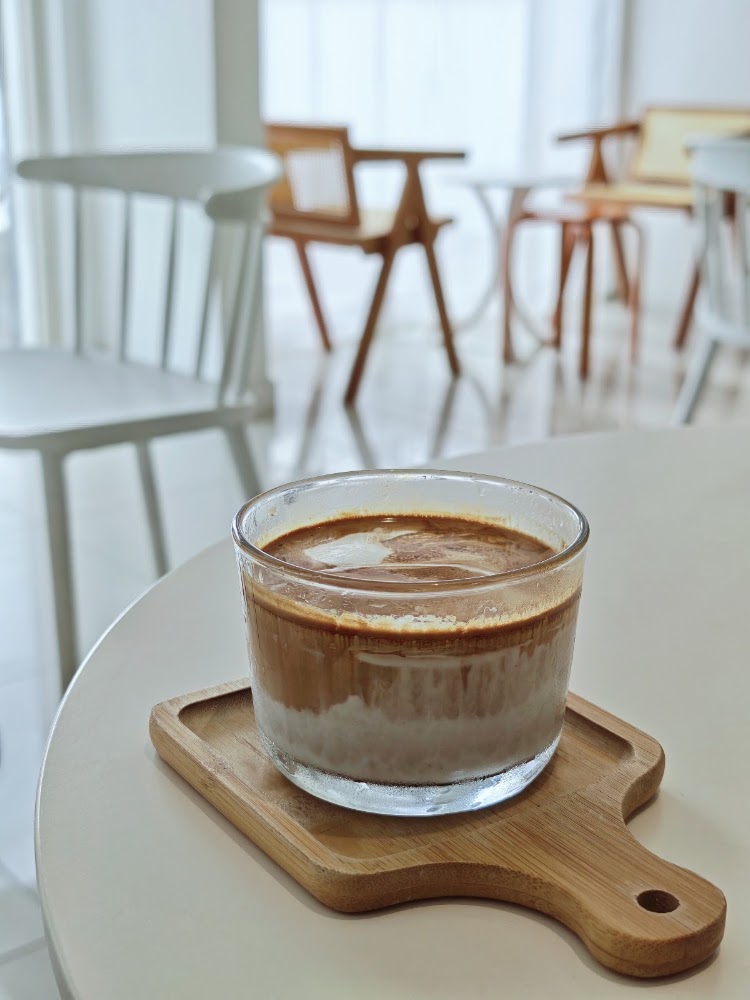
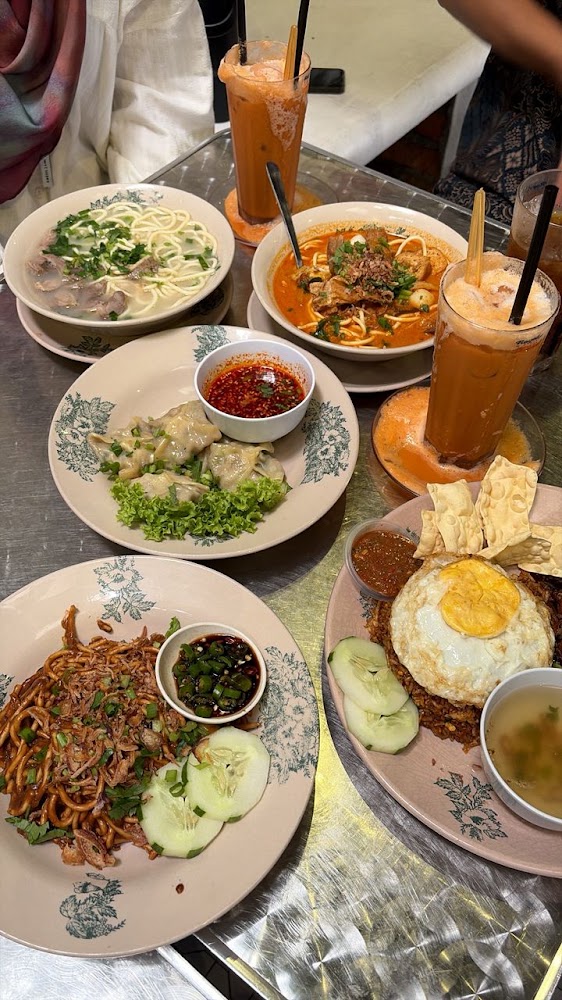
At its core, a kopitiam sells brewed coffee or tea (often with condensed or evaporated milk), toast with kaya and butter, soft-boiled eggs with soy sauce and pepper, and usually a small rotation of noodle or rice dishes cooked by a stall operator renting space inside. Many run from early morning to early afternoon only, which is worth checking before you plan a visit. The better ones roast or source their own coffee beans, make kaya in-house, and keep the egg and toast side consistent even during a breakfast rush.
What to check before you go
- Whether the coffee is roasted with the traditional butter-and-sugar method (gives it that darker, slightly caramelised taste) or a plainer commercial blend
- Freshness of the toast: charcoal-grilled bread has a different texture and smell than machine-toasted bread
- How the eggs are cooked: properly soft-boiled eggs should still be runny, not overcooked
- Cleanliness of tables and food prep areas, especially at older shophouse locations
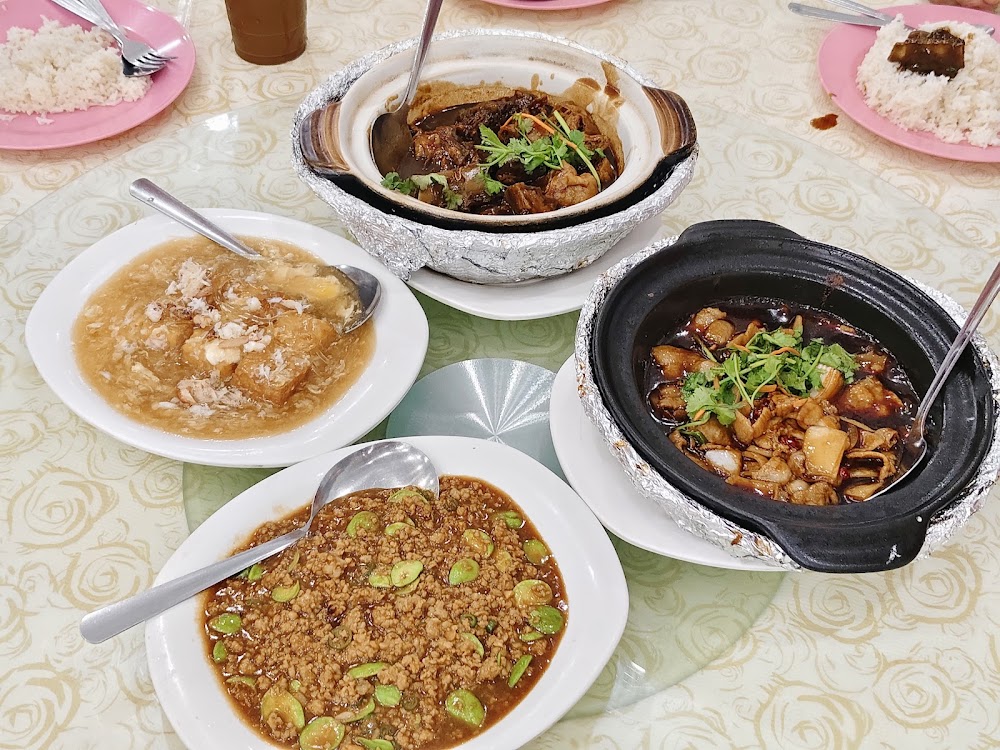
- Whether the stalls inside (noodles, rice dishes) are separately worth ordering from, since quality varies stall to stall even under one roof
How we score these listings
Our ranking weighs consistency of the core items (coffee, toast, eggs), how the place holds up during busy periods, value for money, and genuine feedback patterns rather than a single standout dish. The full breakdown of how we weigh these factors is explained on our methodology page. If you want a shorter, curated list instead of scrolling through all 231, our ranked cafe guide pulls out the top performers across Ipoh.
Get matched with traditional kopitiam
No cost, no obligation. Describe what you need and we'll connect you with the right cafe providers.
All traditional kopitiam, ranked by score and relevance
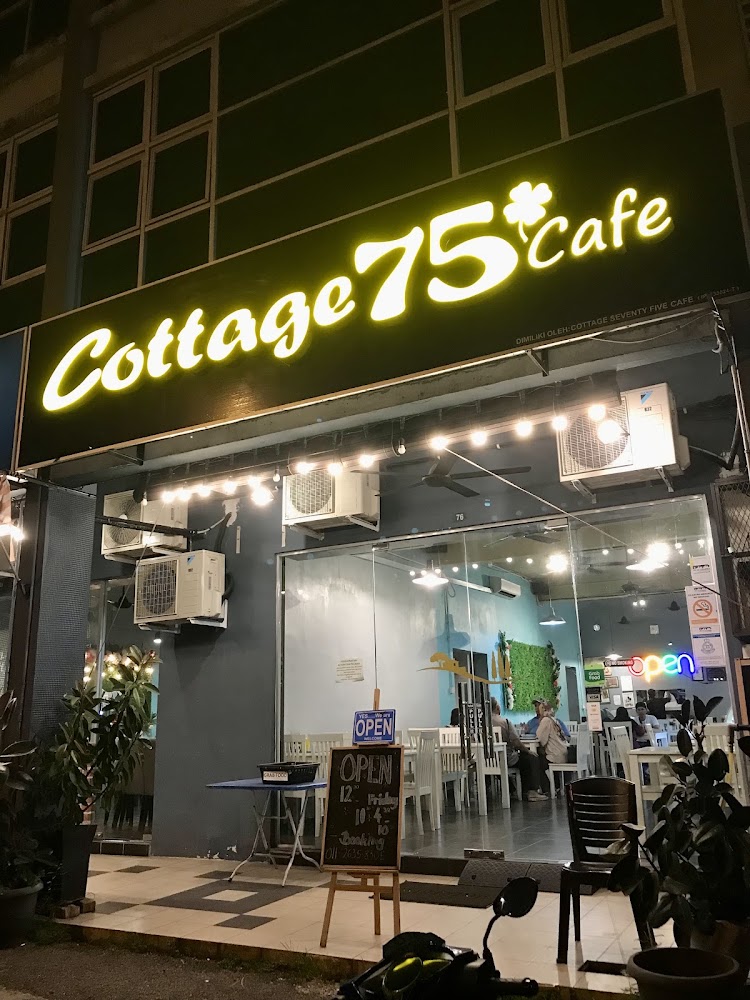
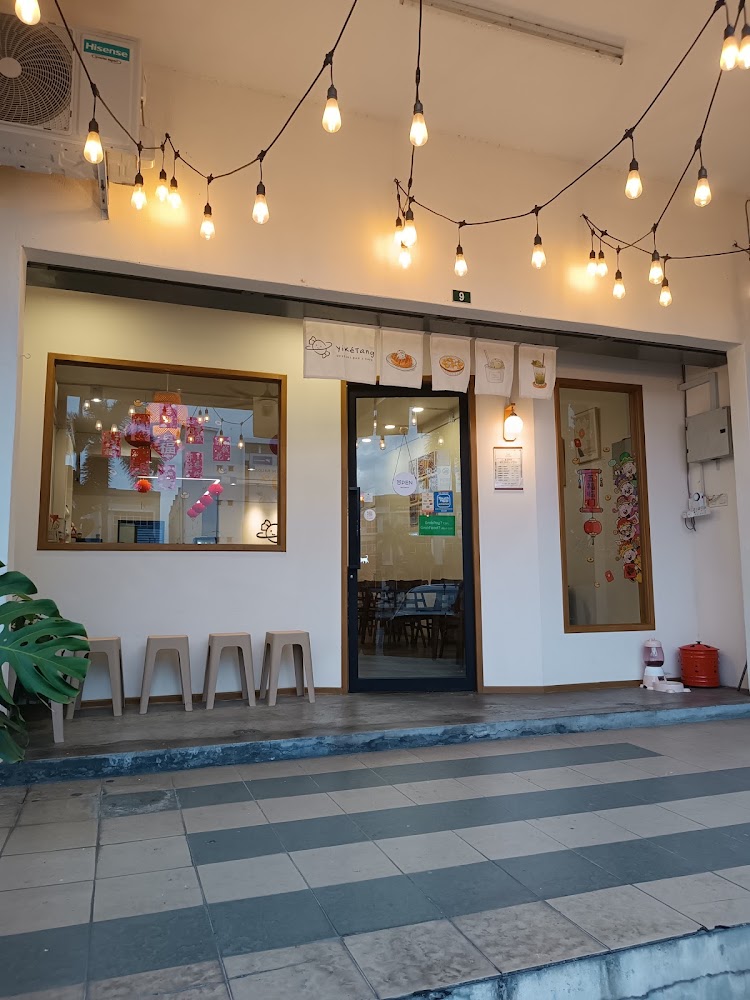
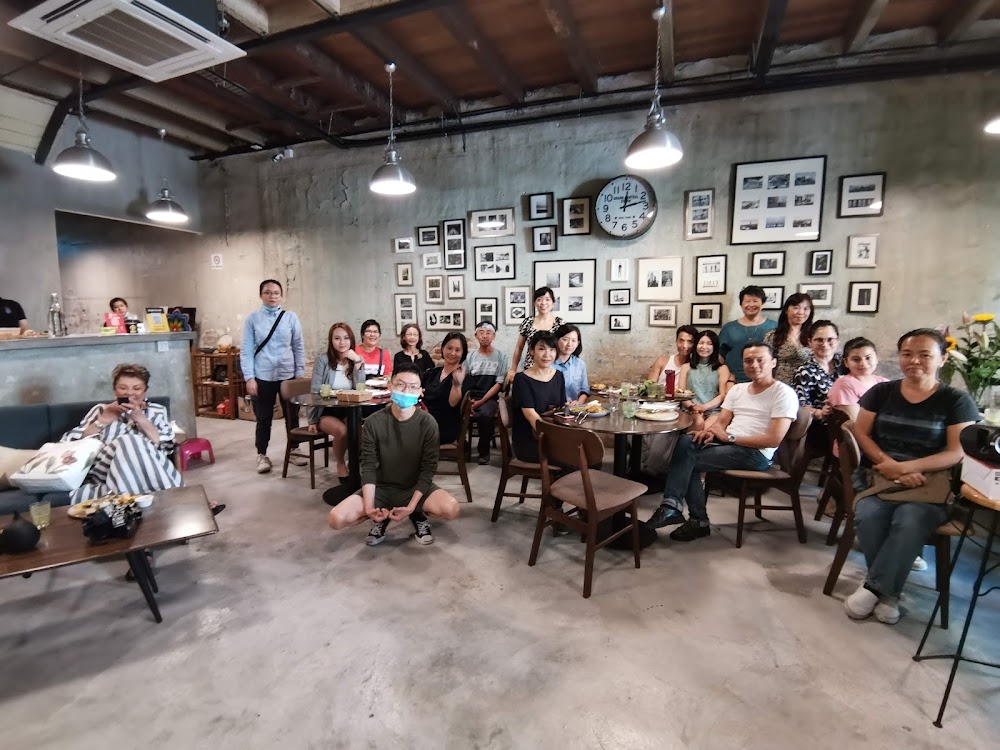
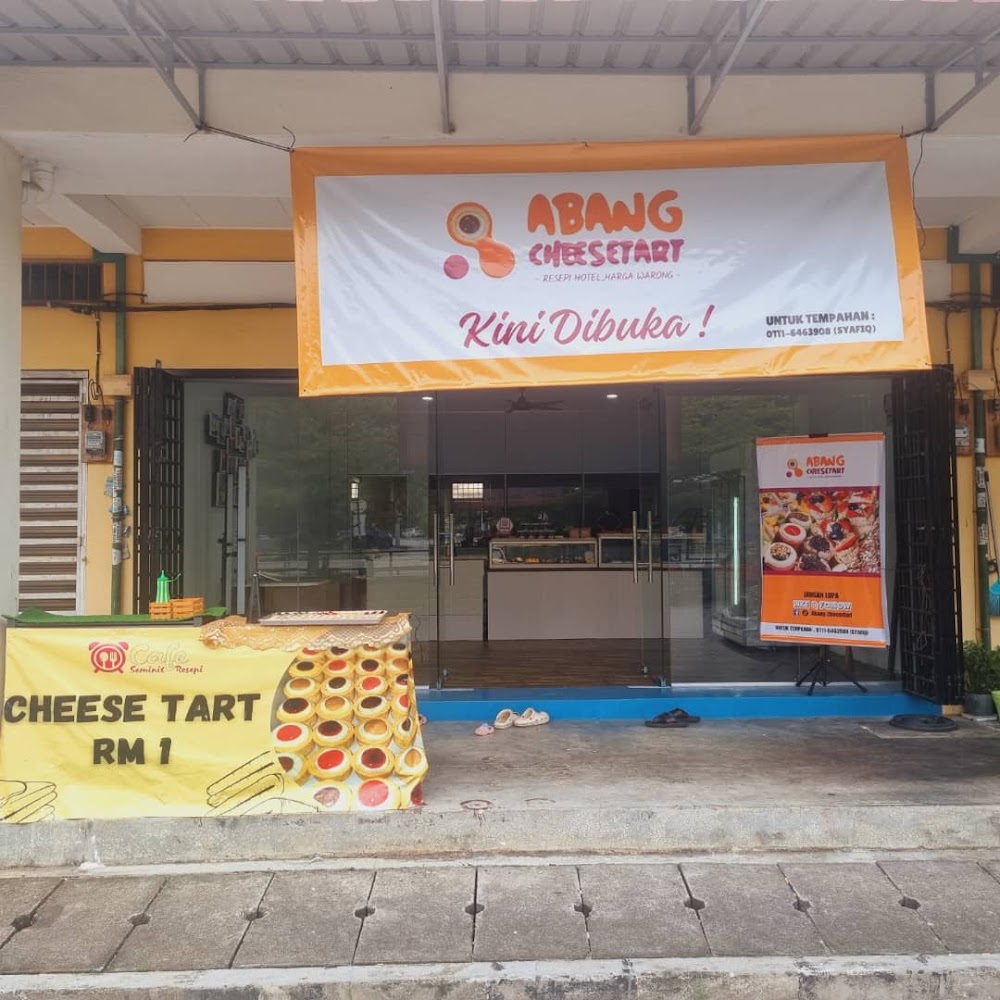
231 businesses. The order weighs each business's overall score by how much of its reviewed work is traditional kopitiam, so a lower-scored specialist can rank above a higher-scored generalist. Filter and sort below, or open the full map view.


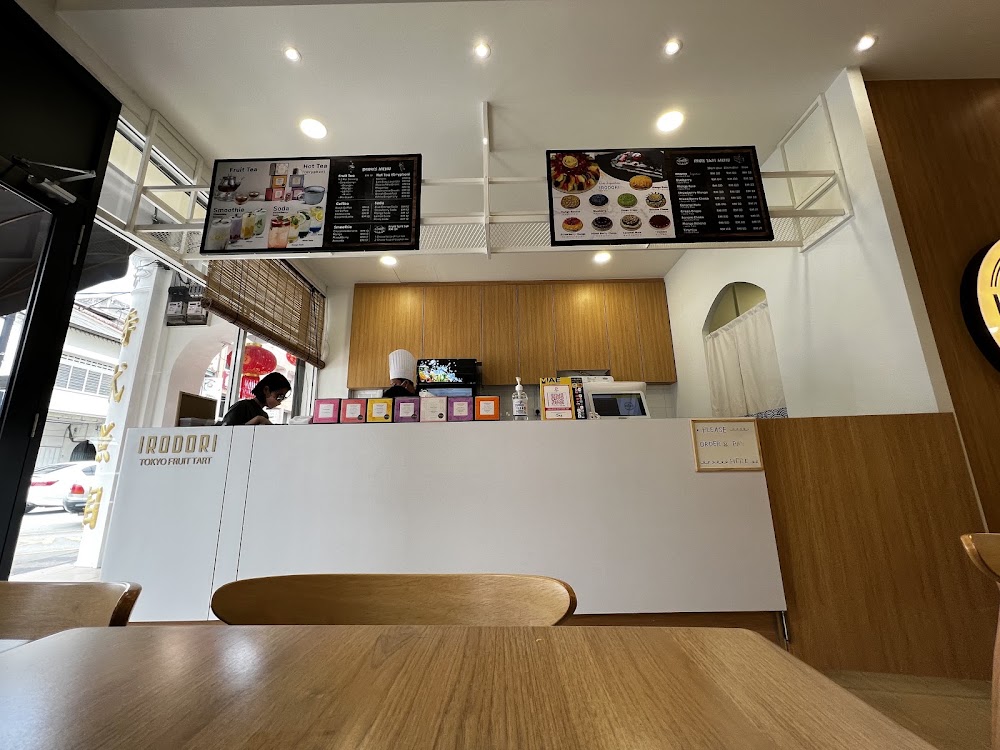
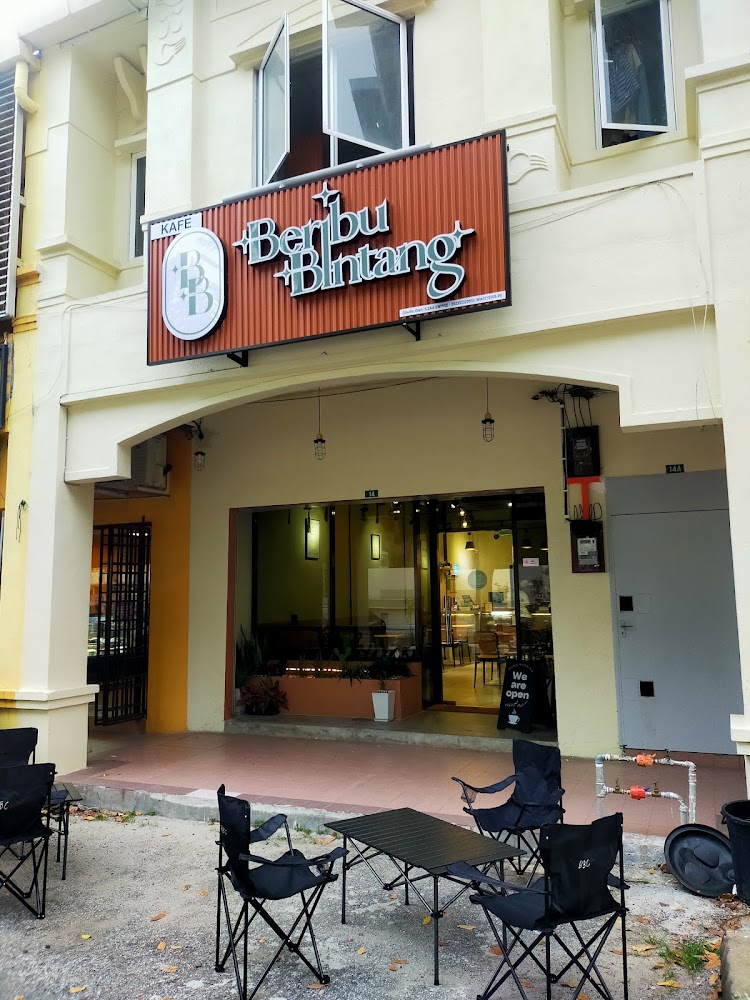
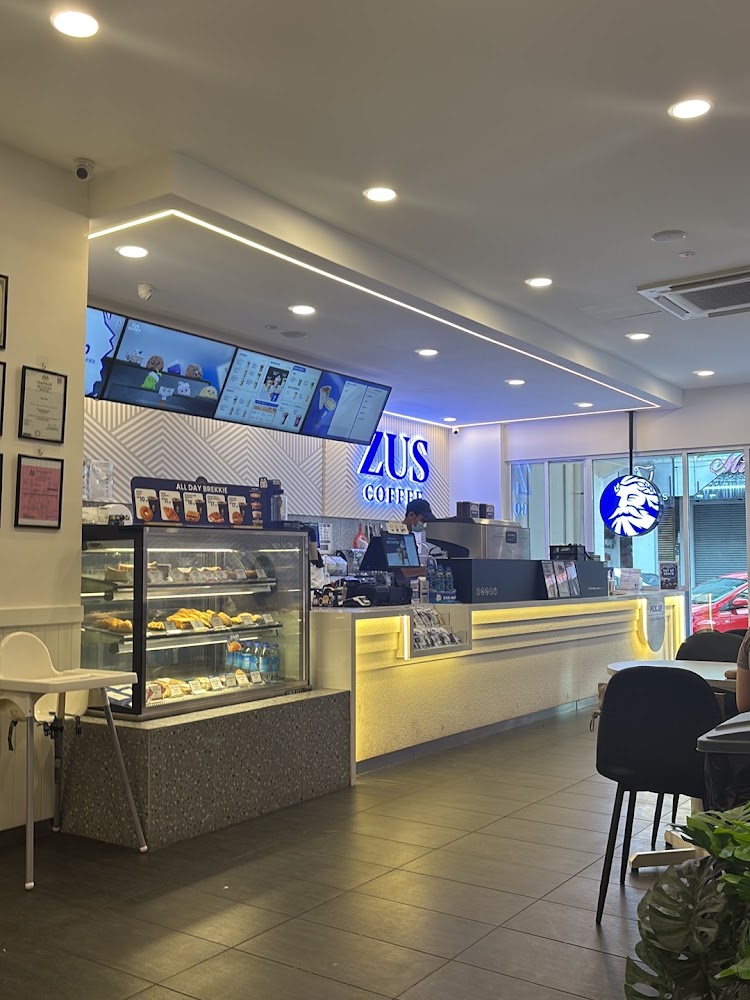
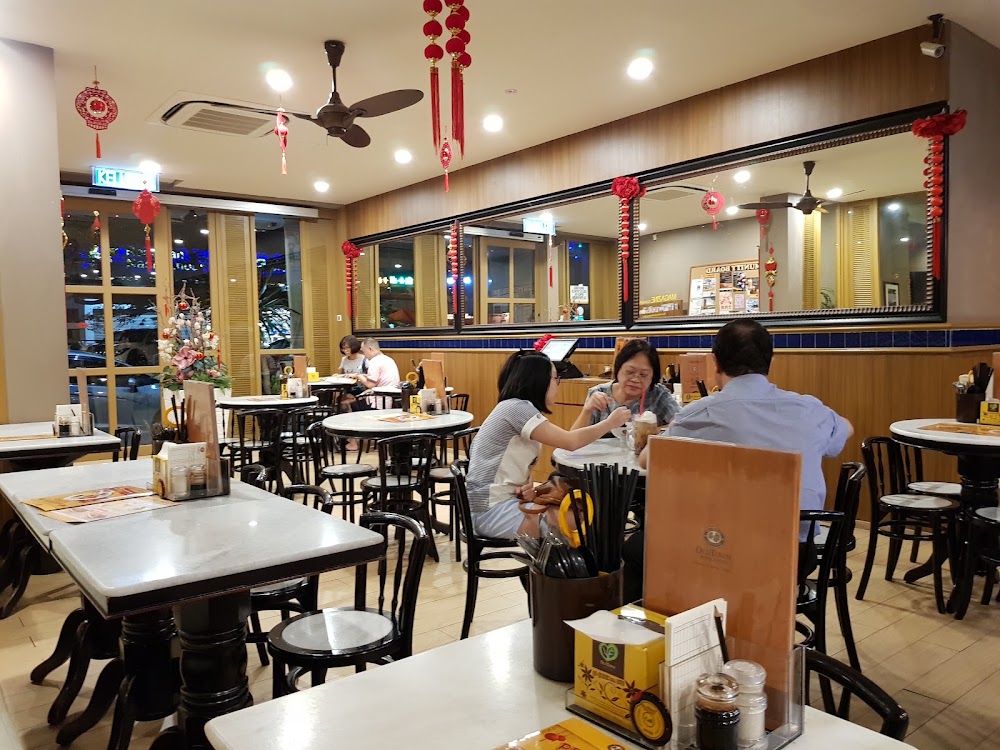





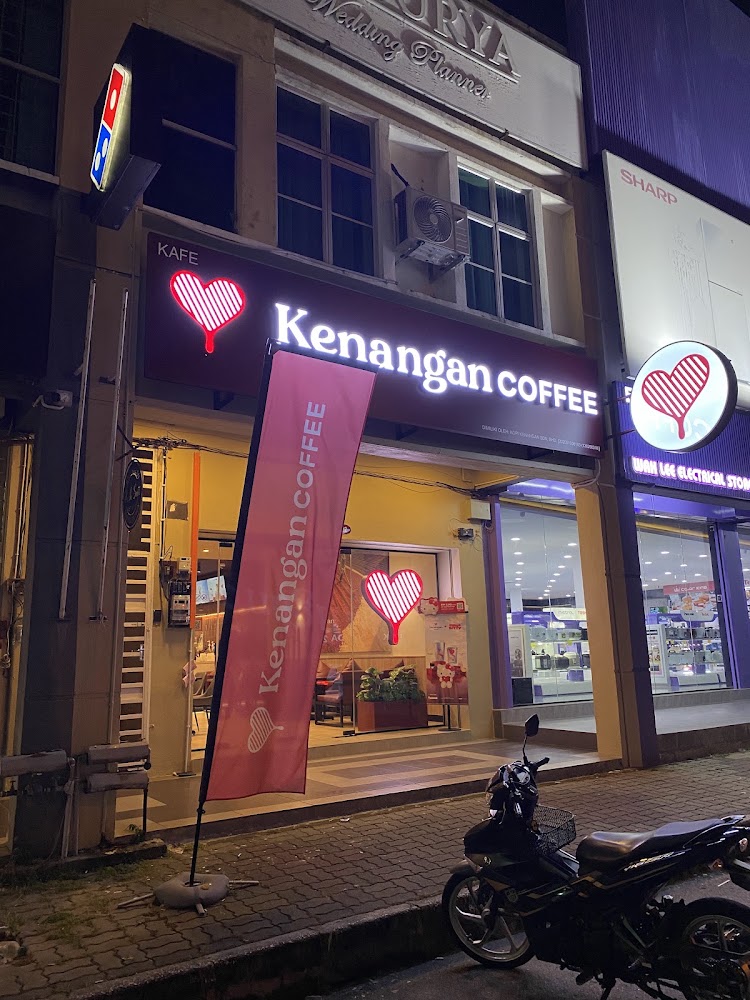
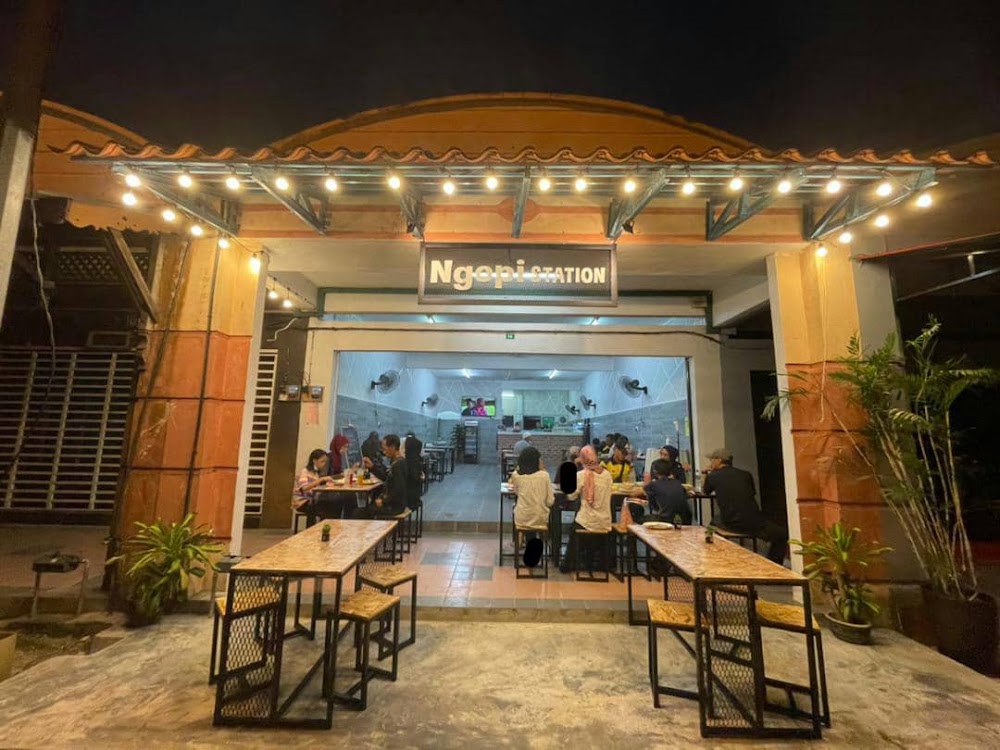
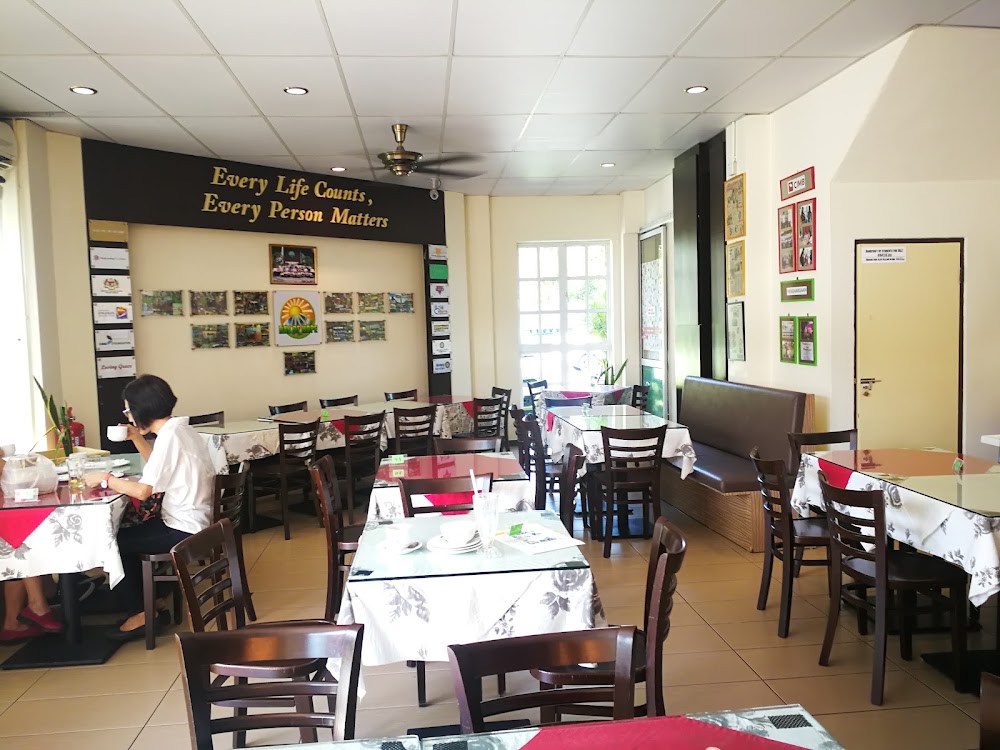
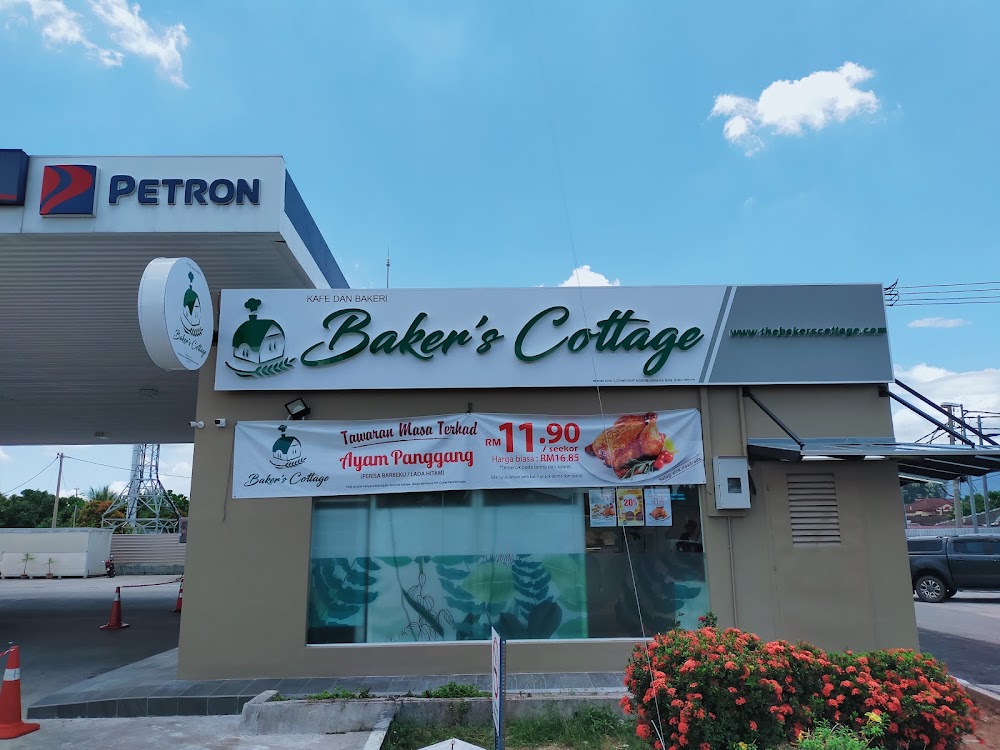
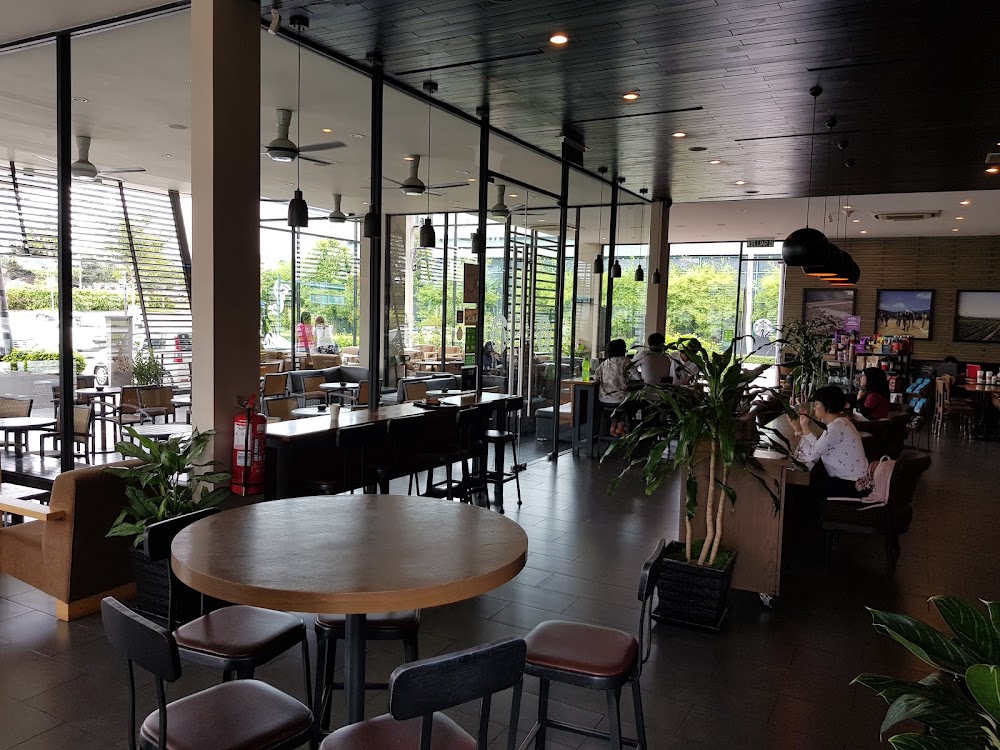
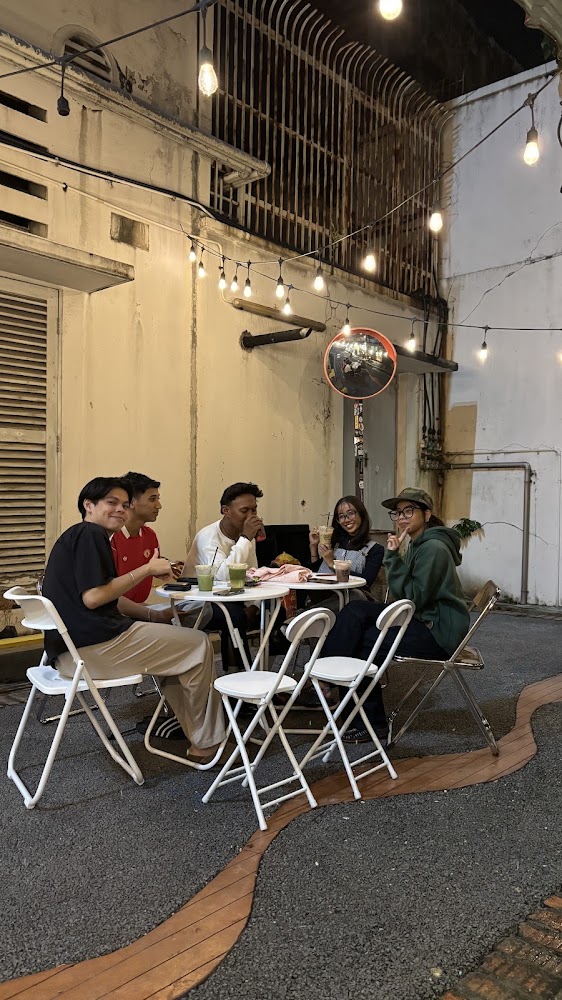
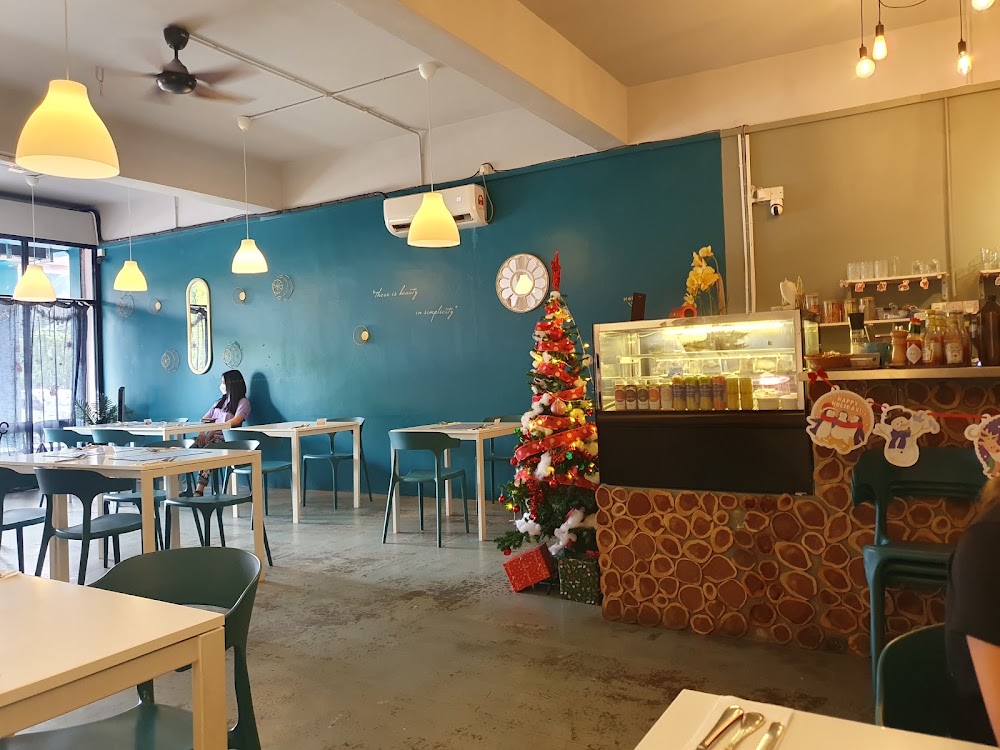
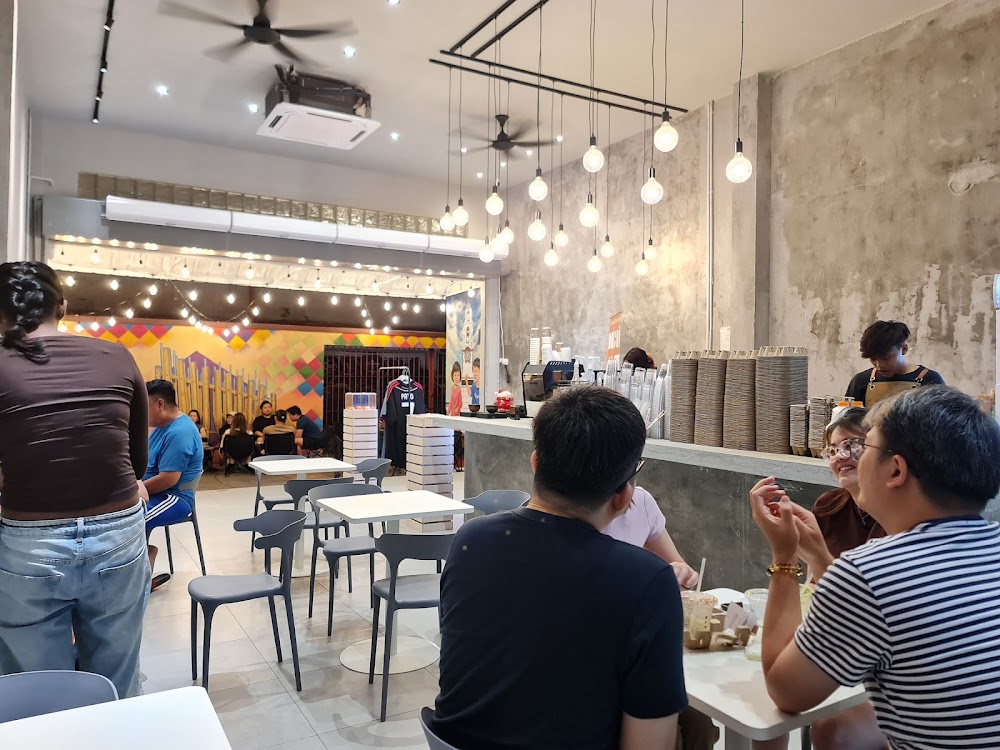

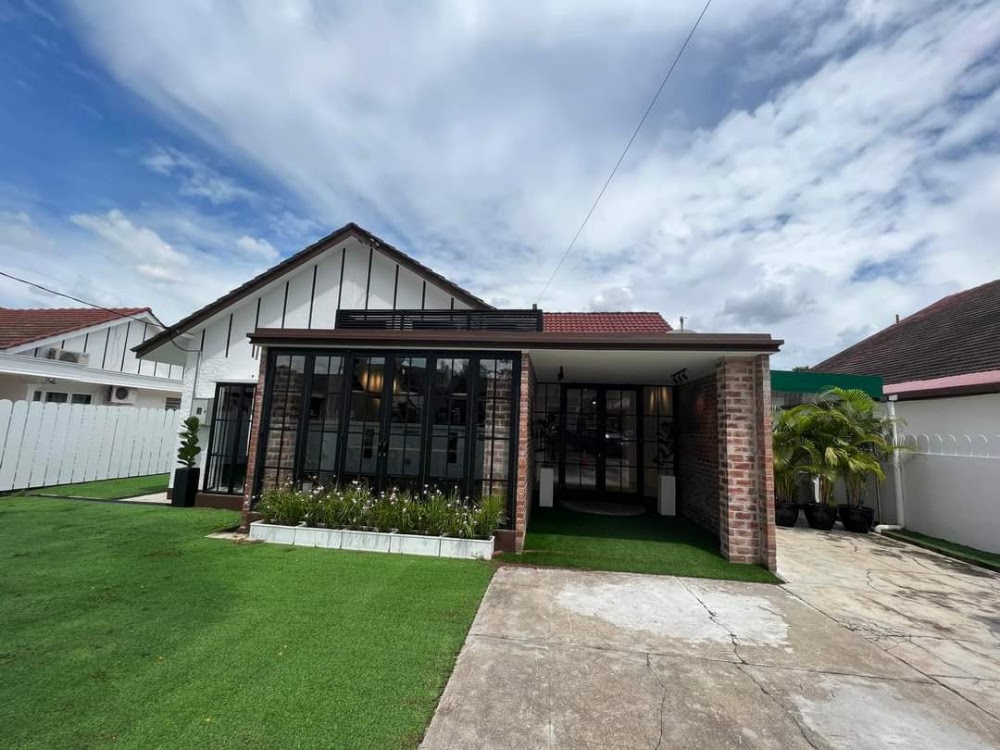
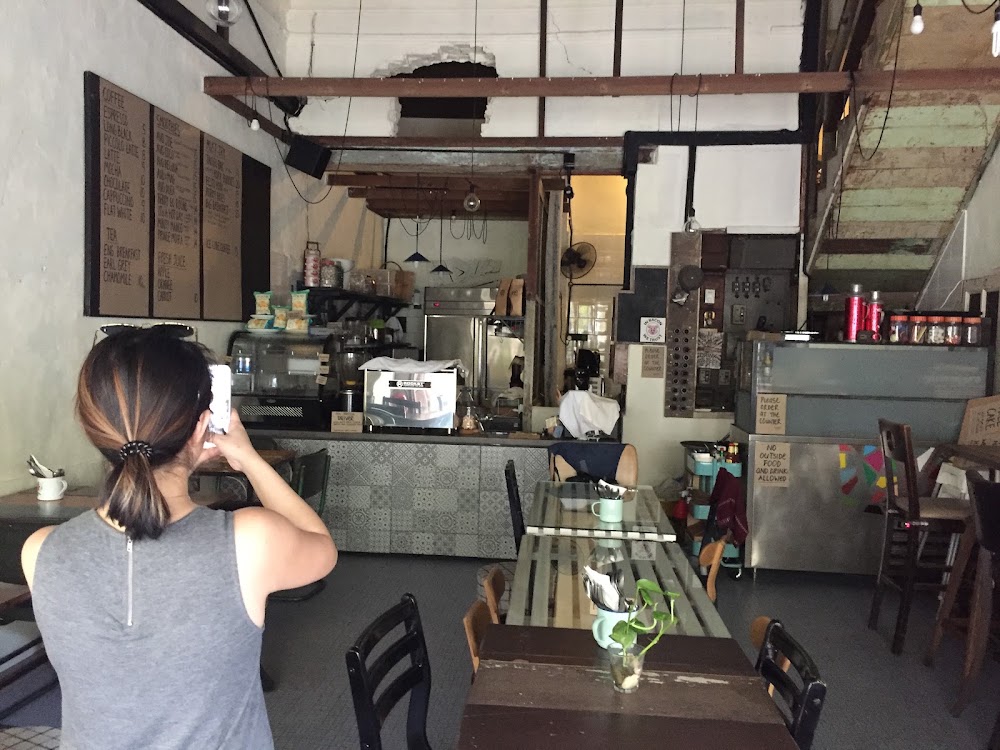
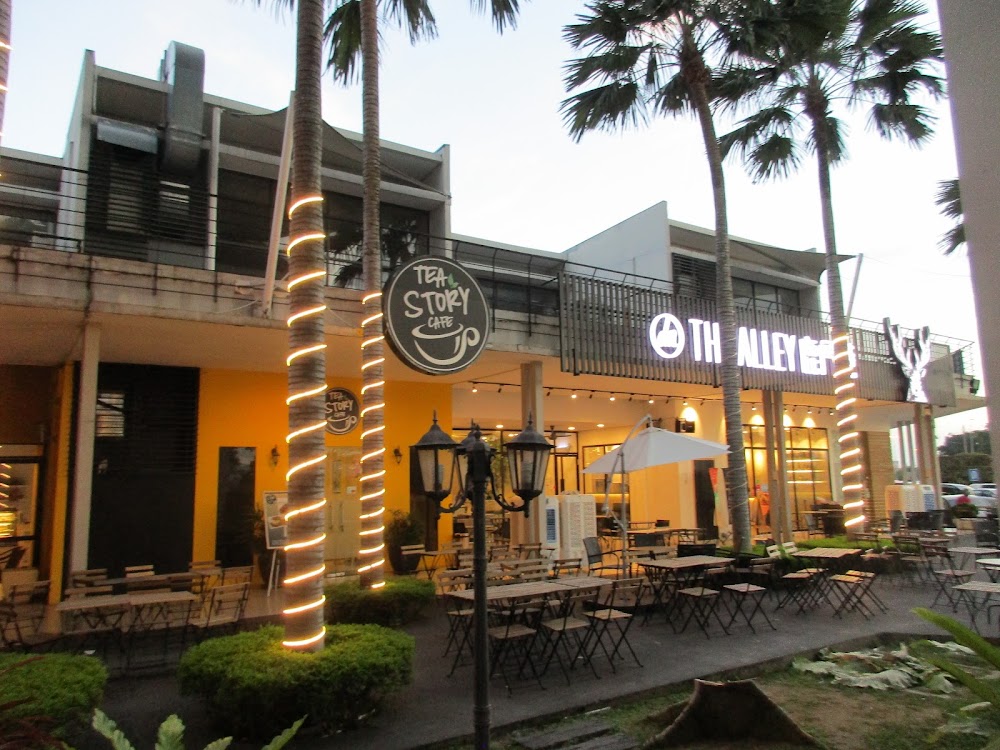
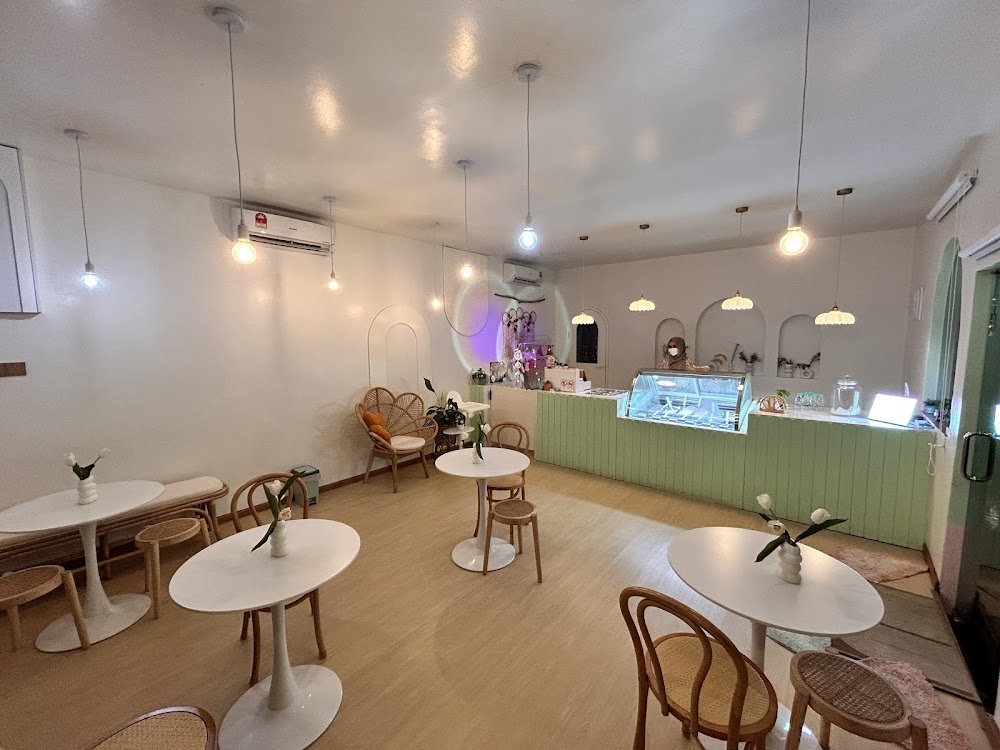
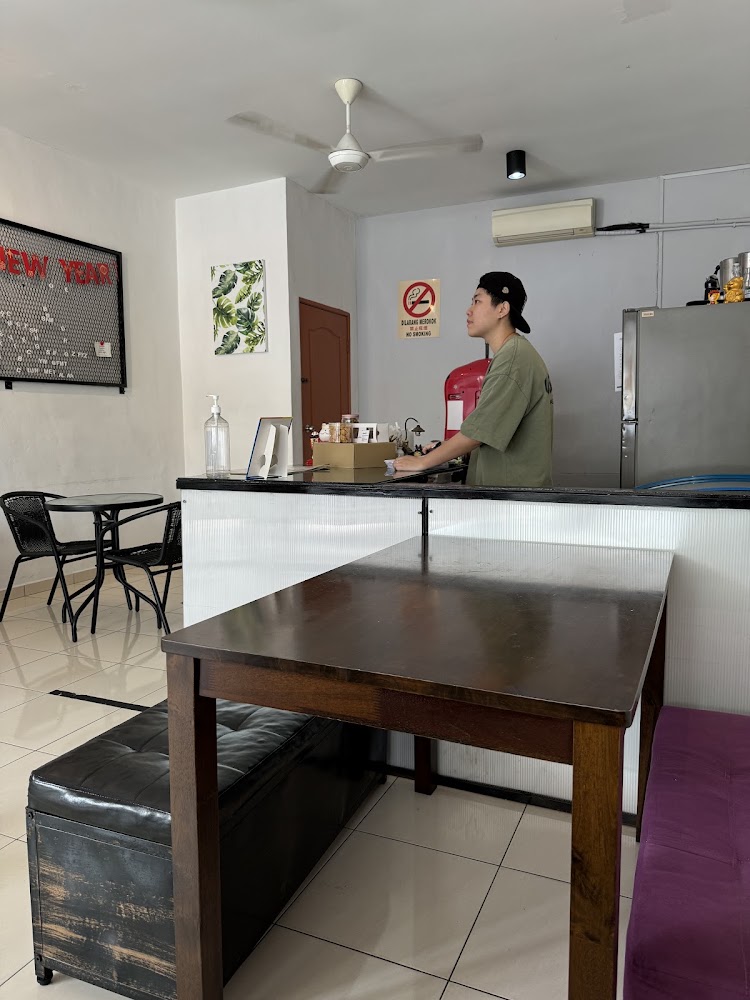
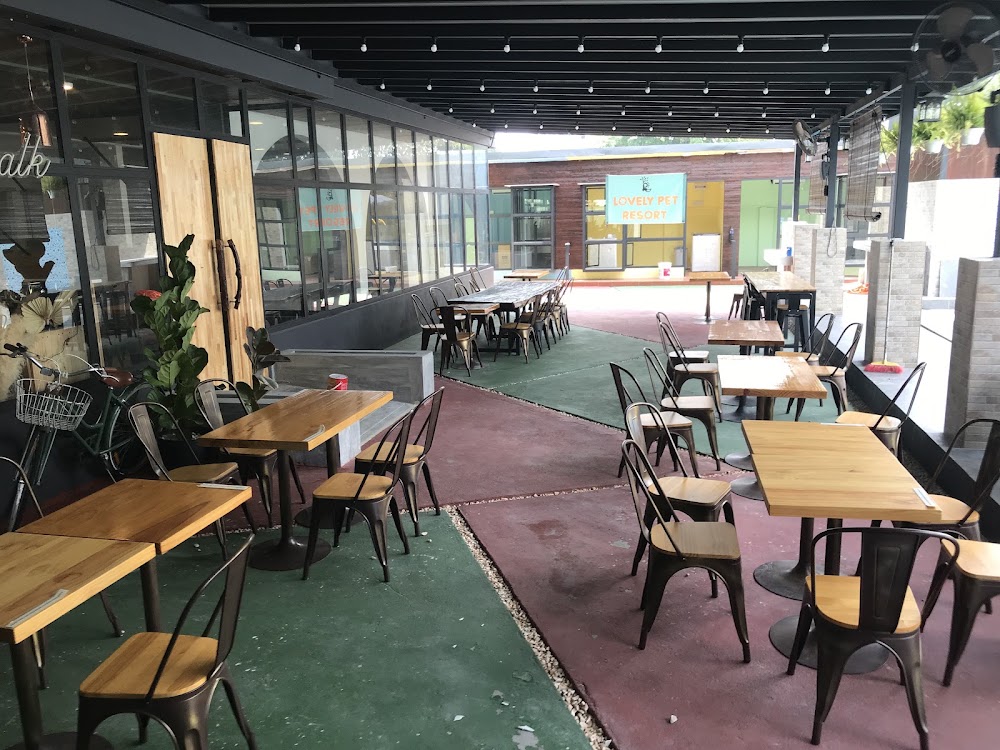
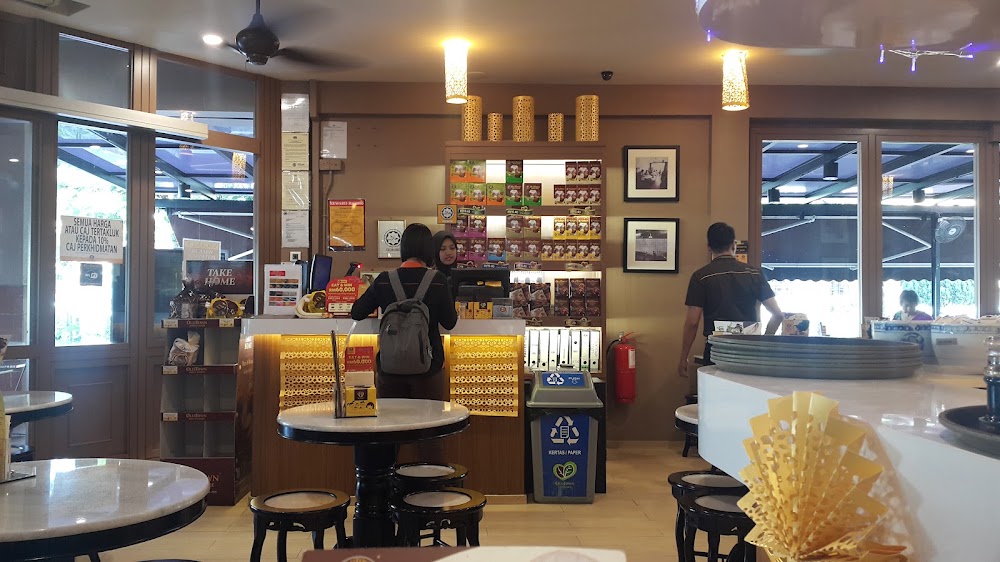
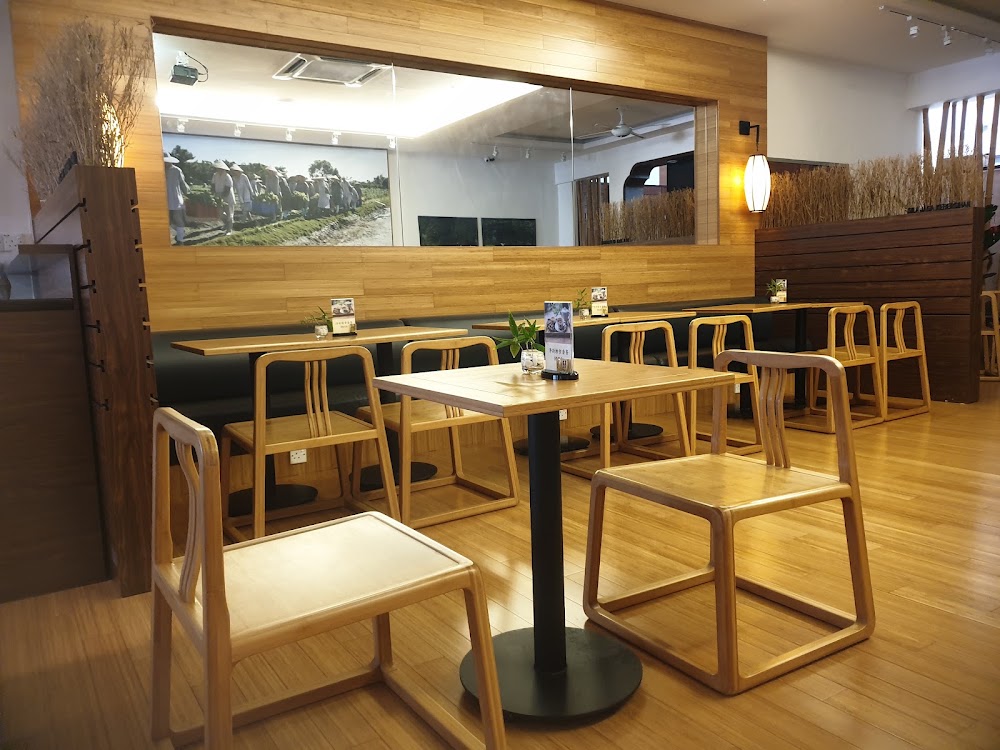
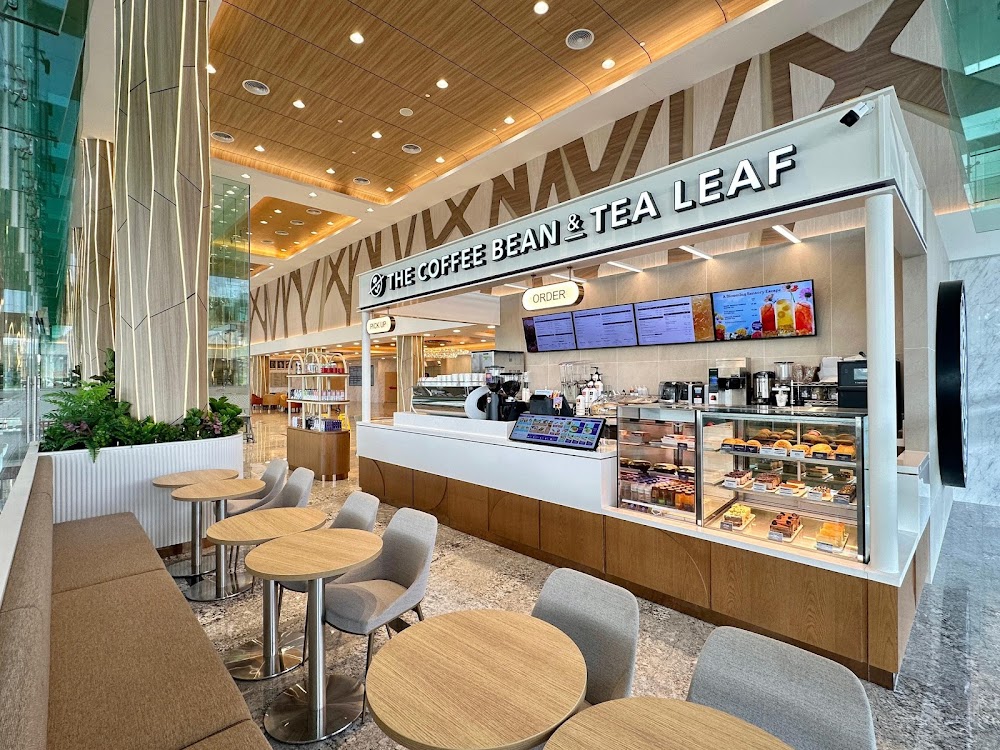
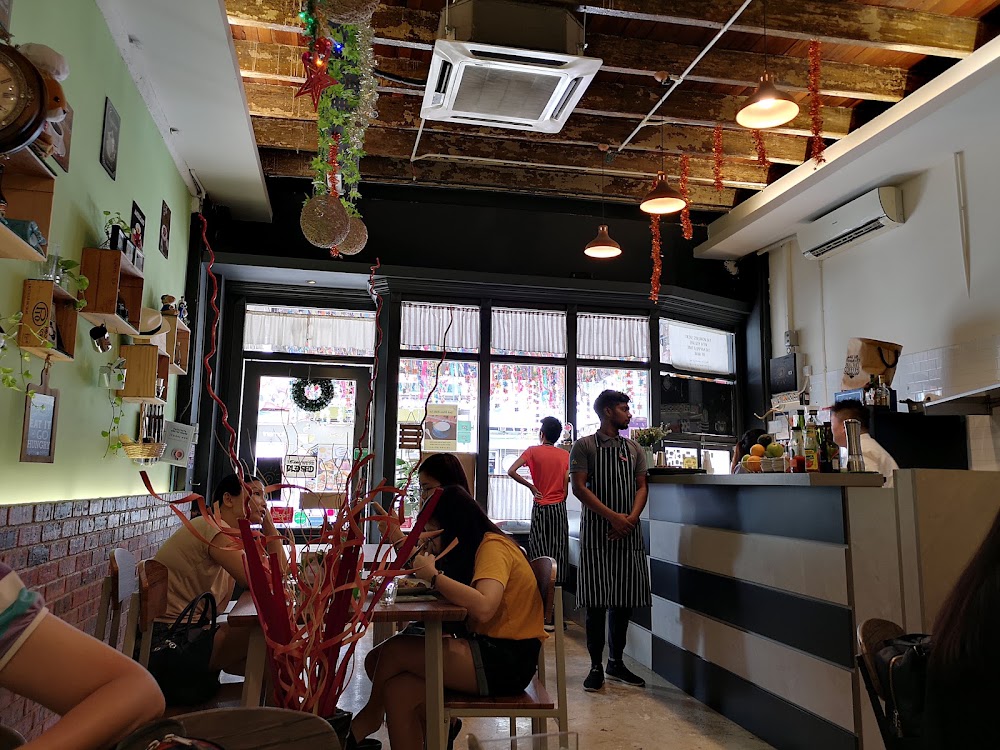
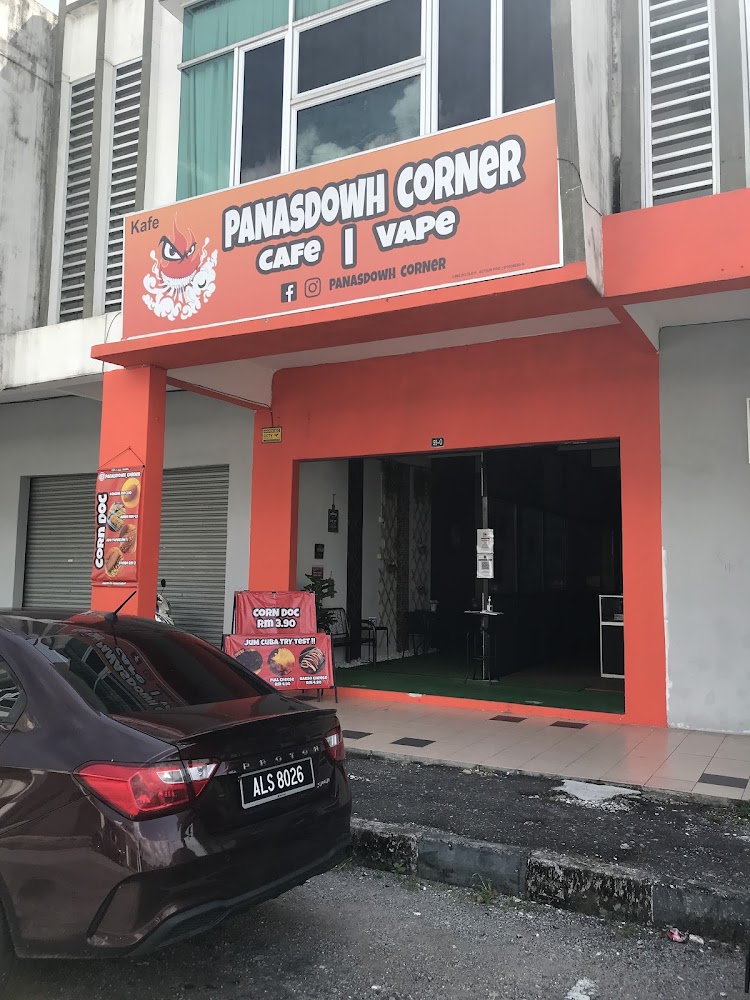
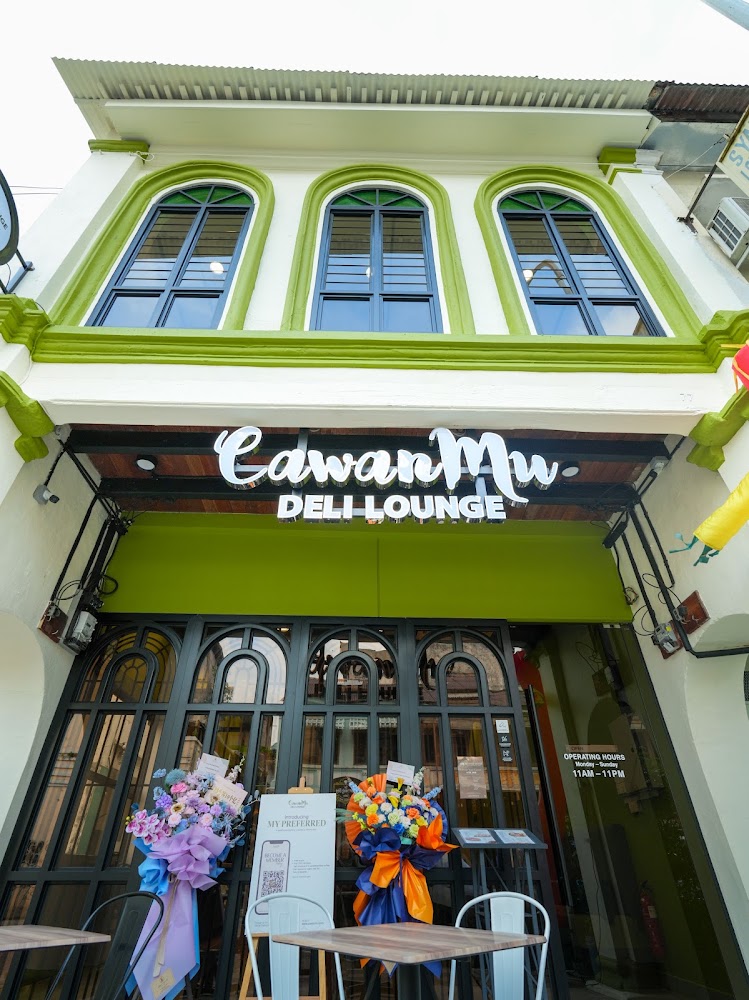
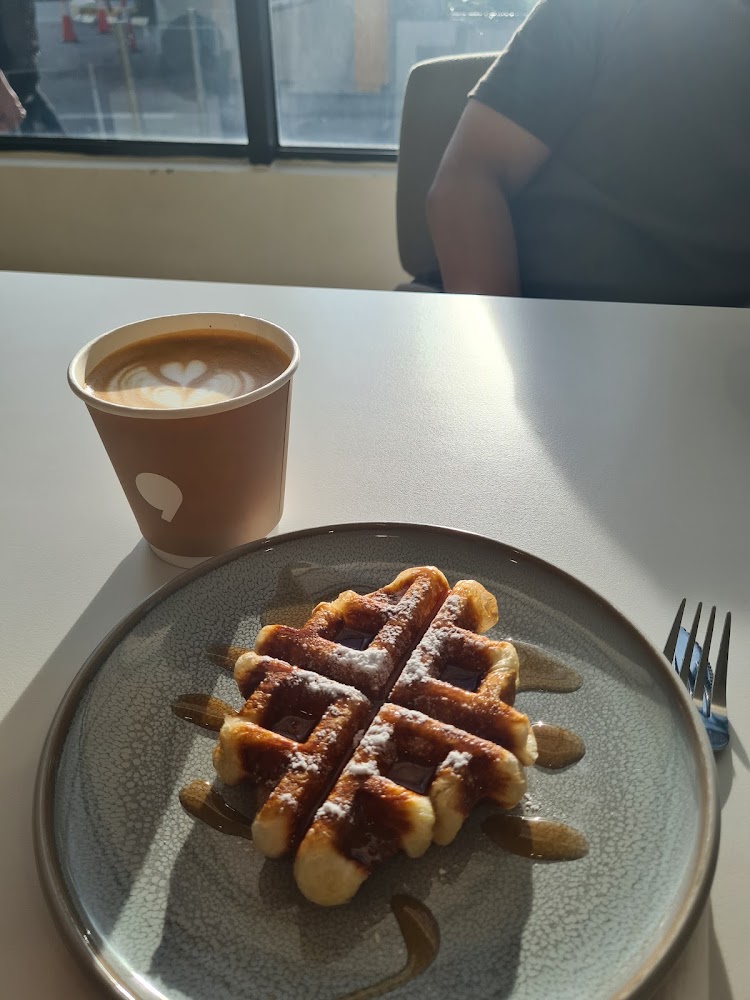

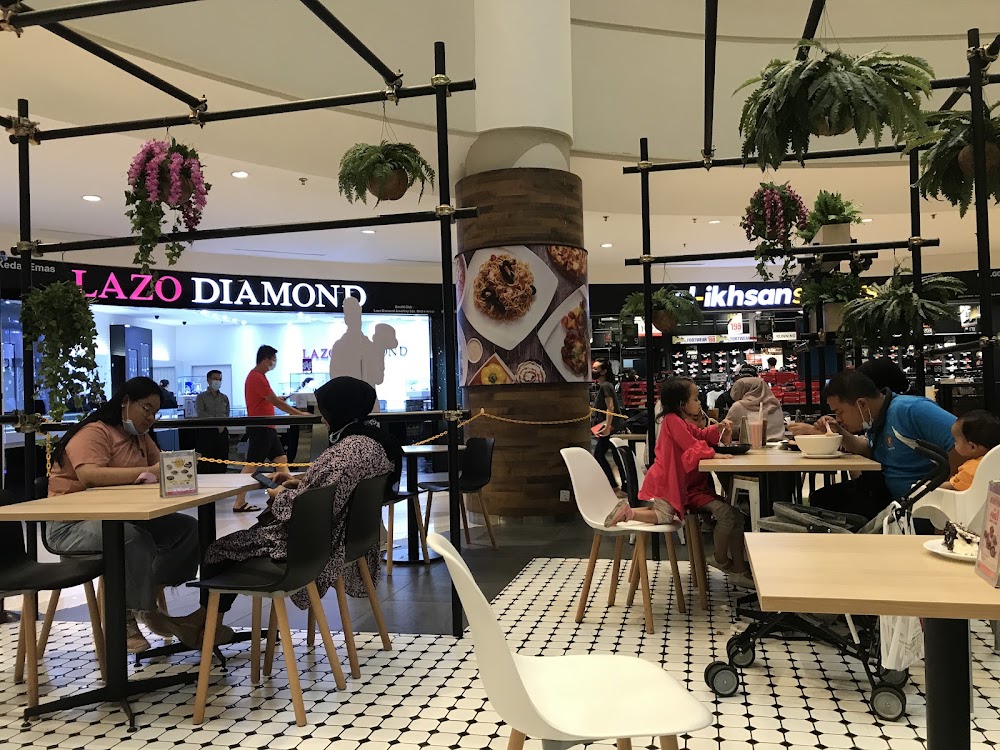
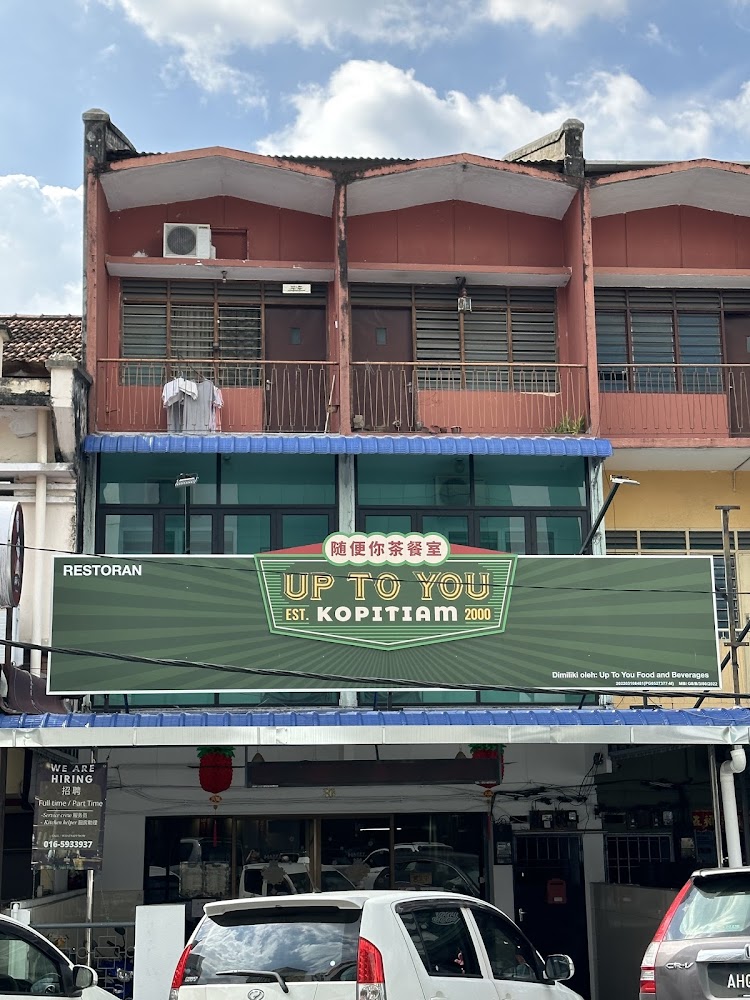
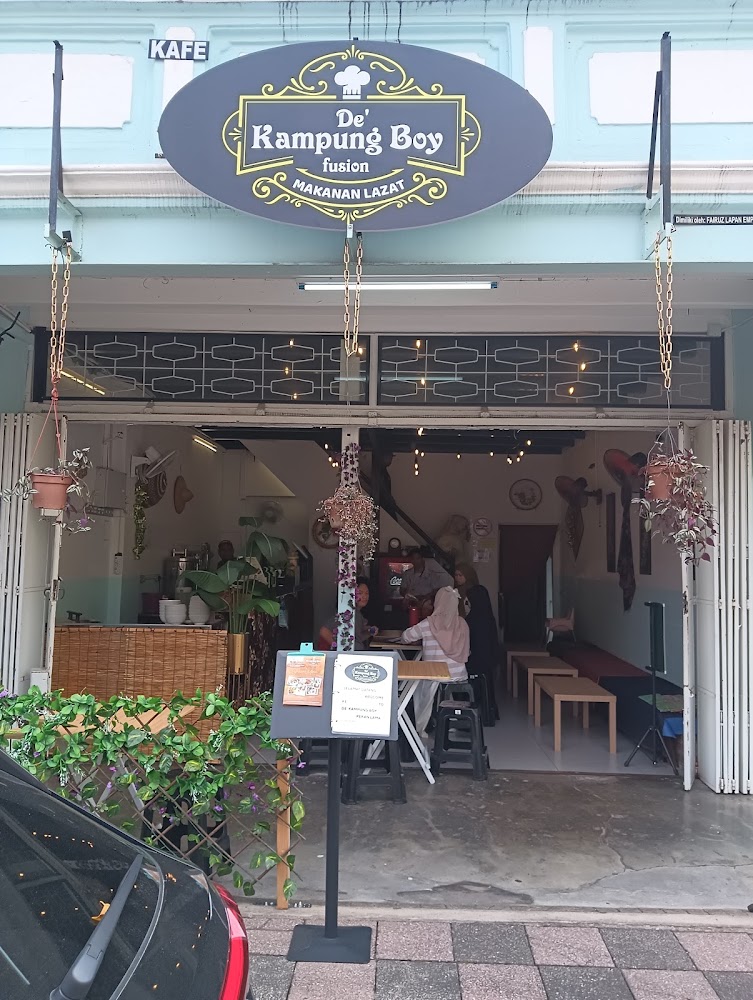
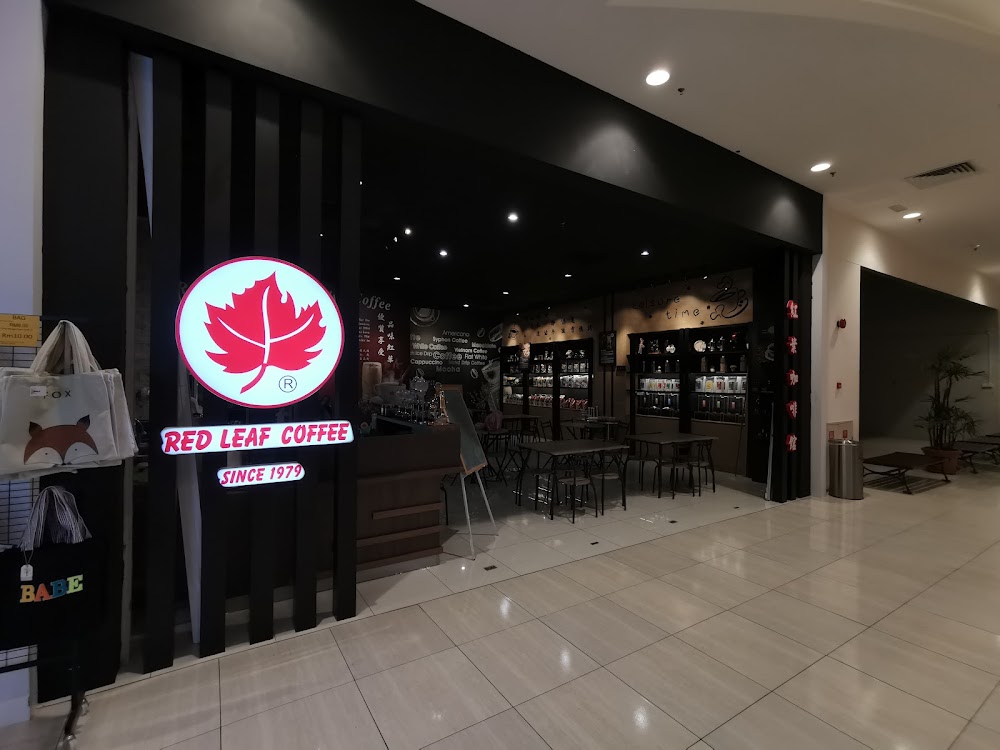
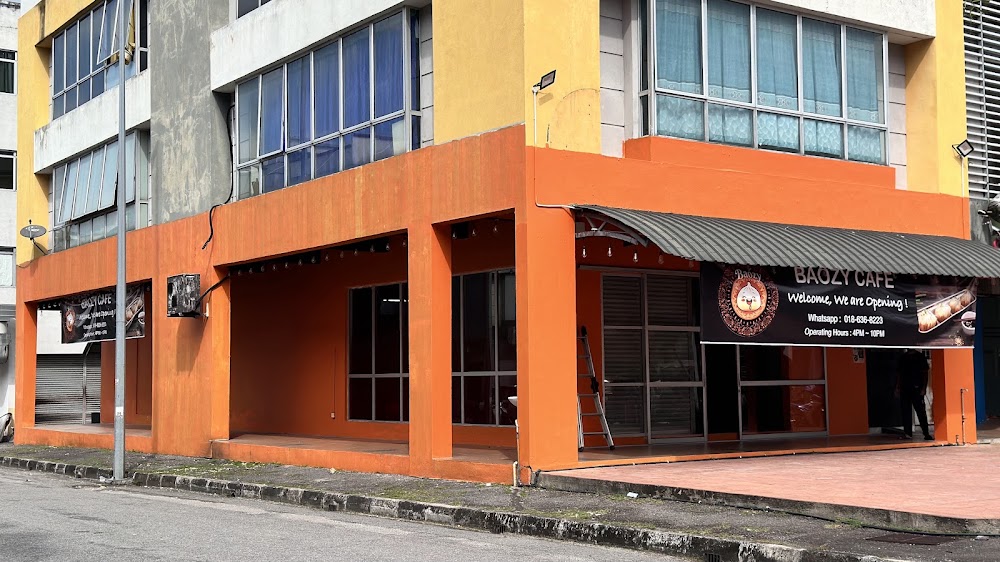
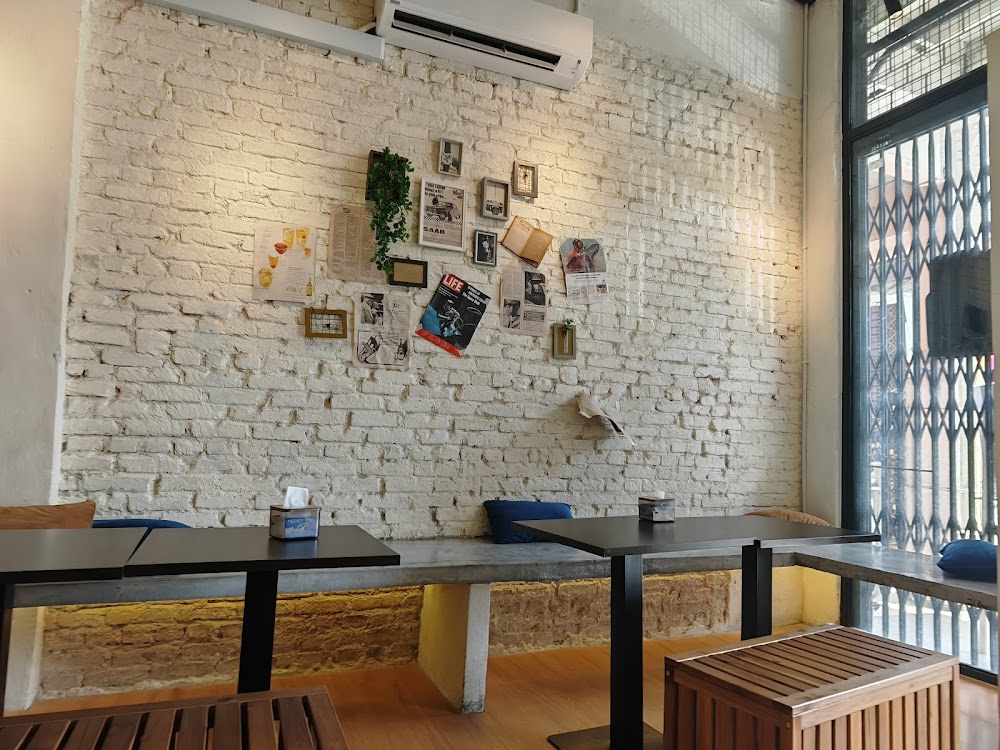
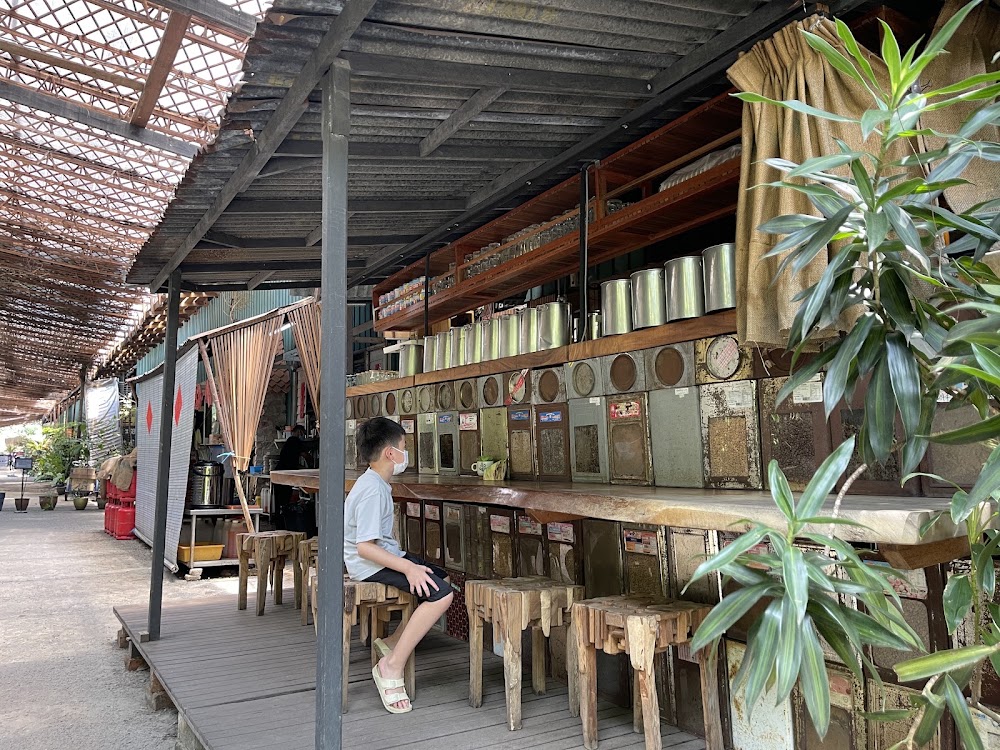
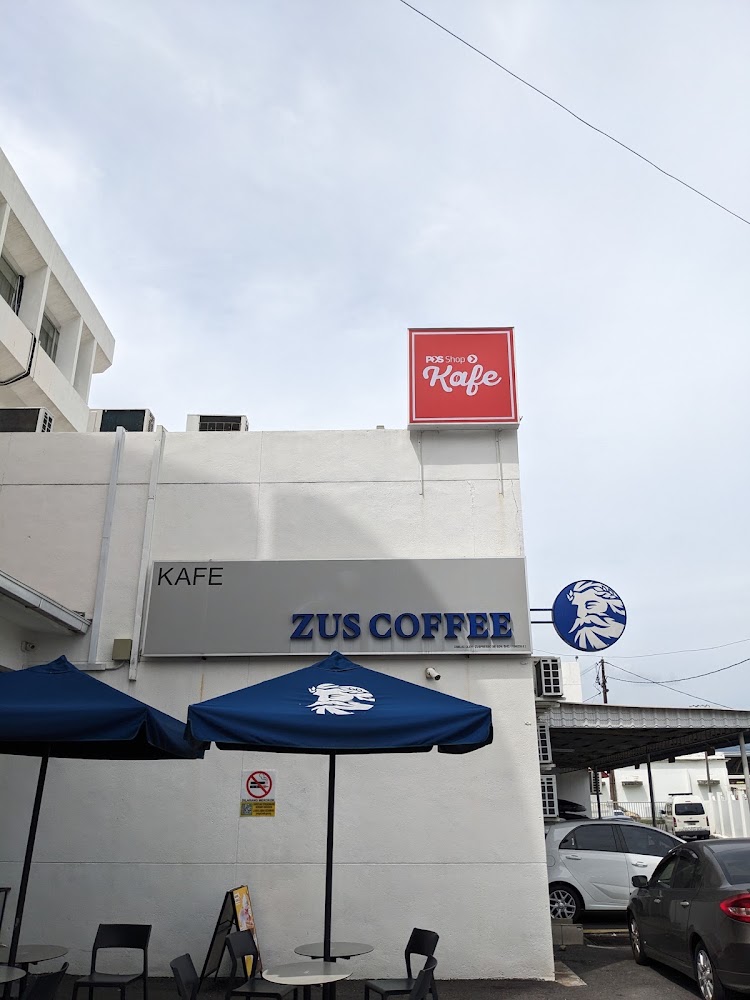
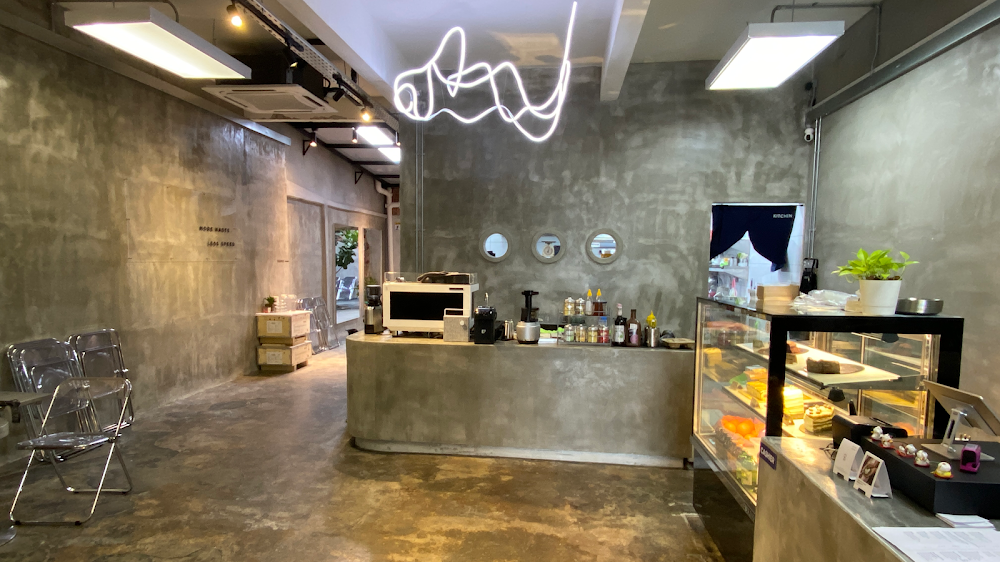
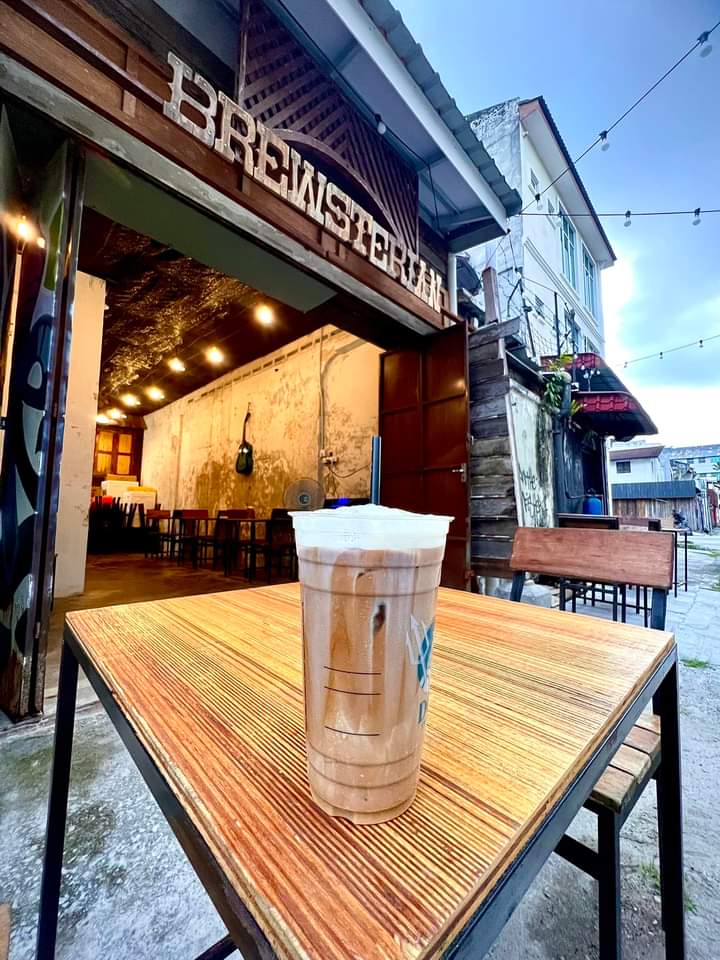
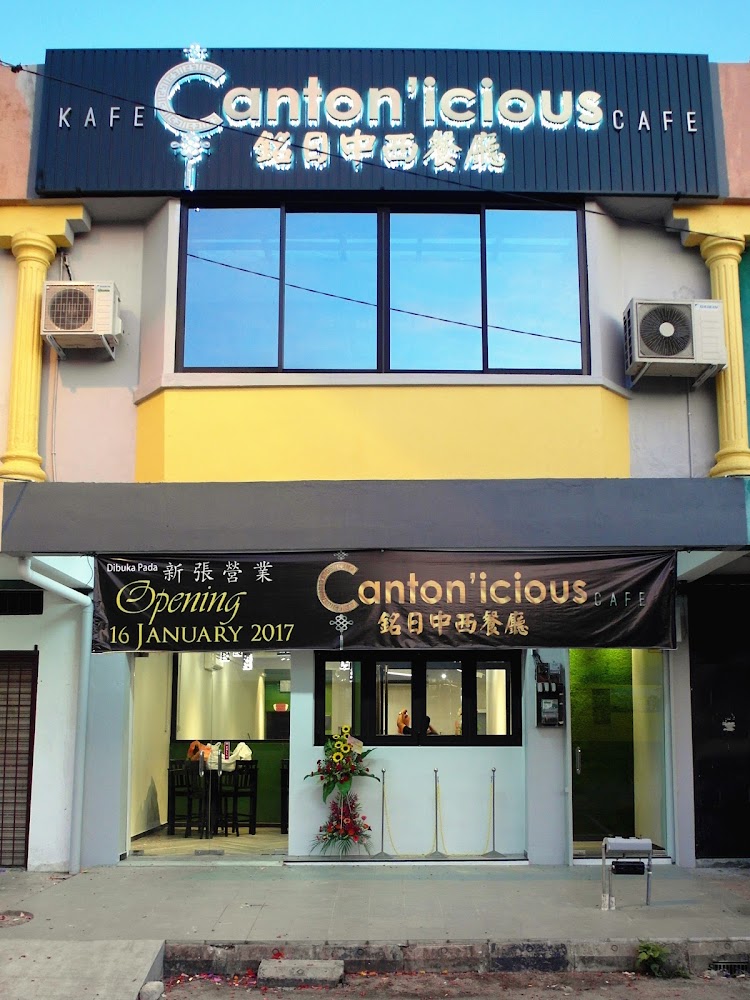
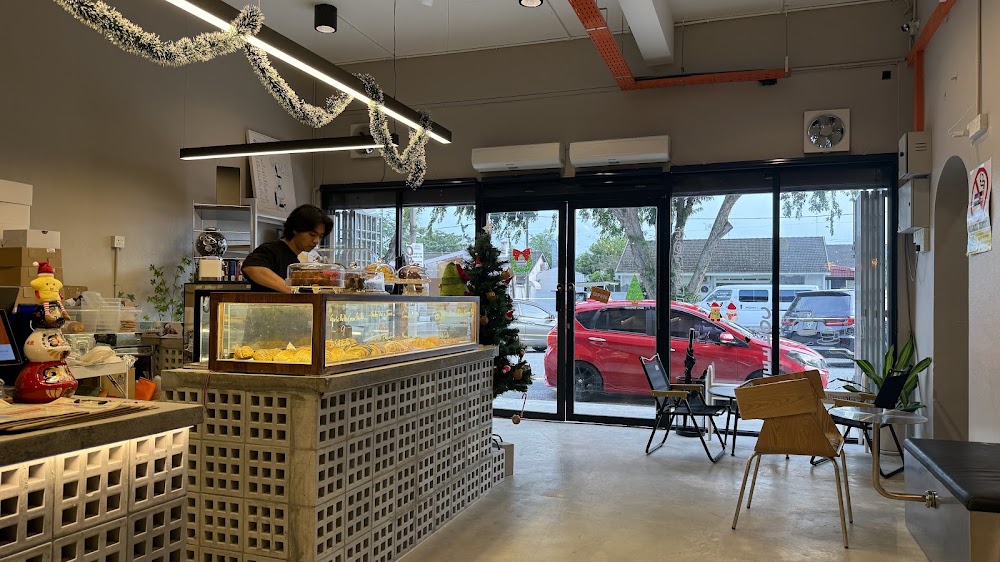
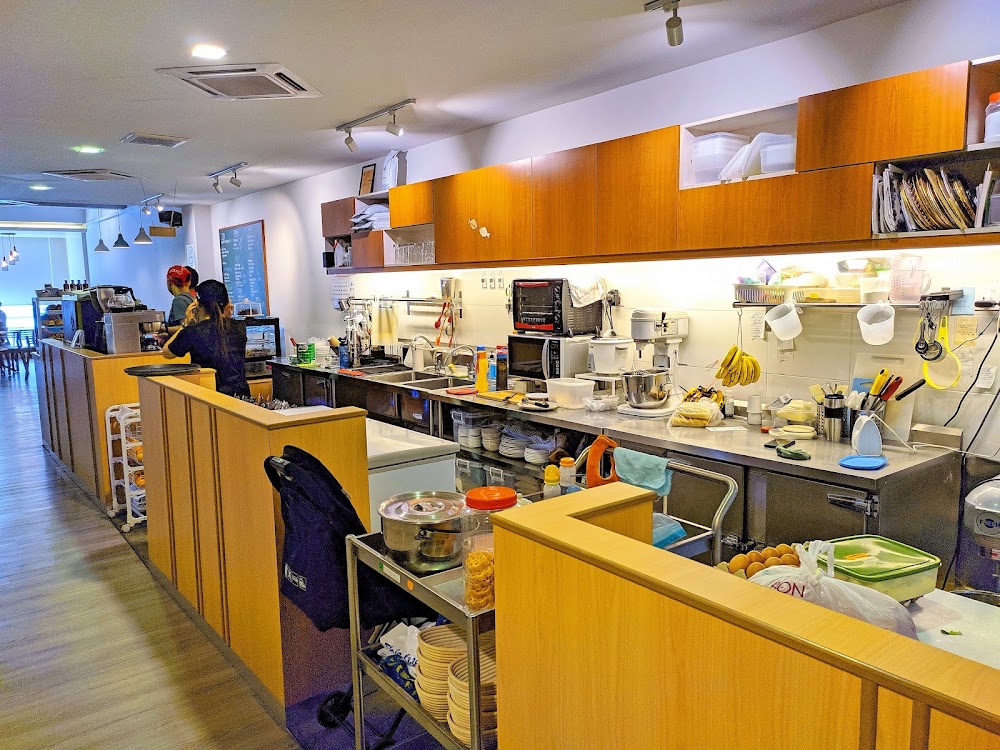
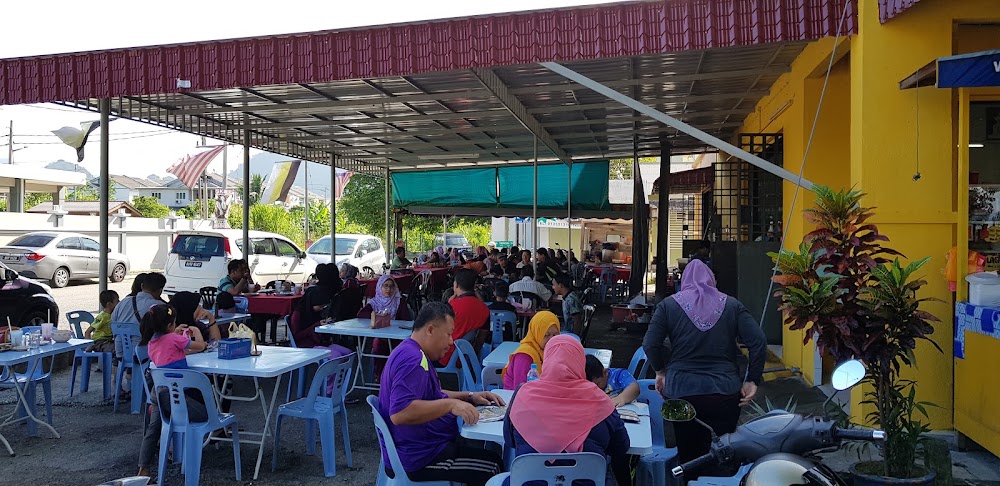
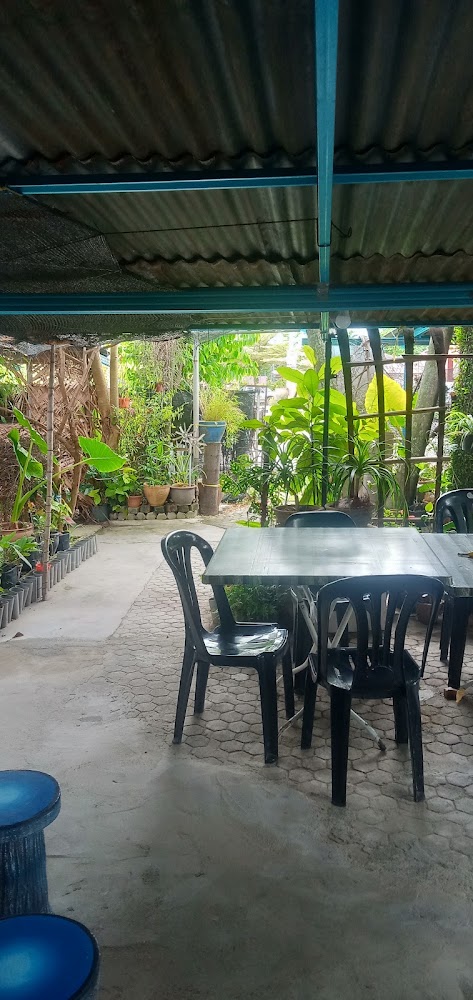
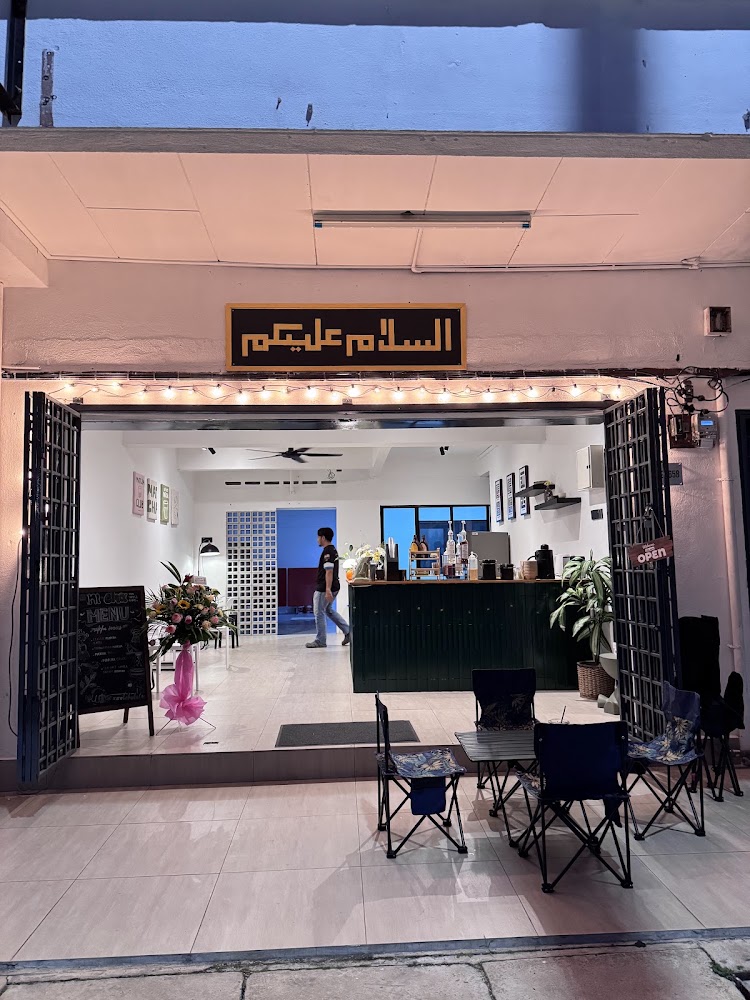
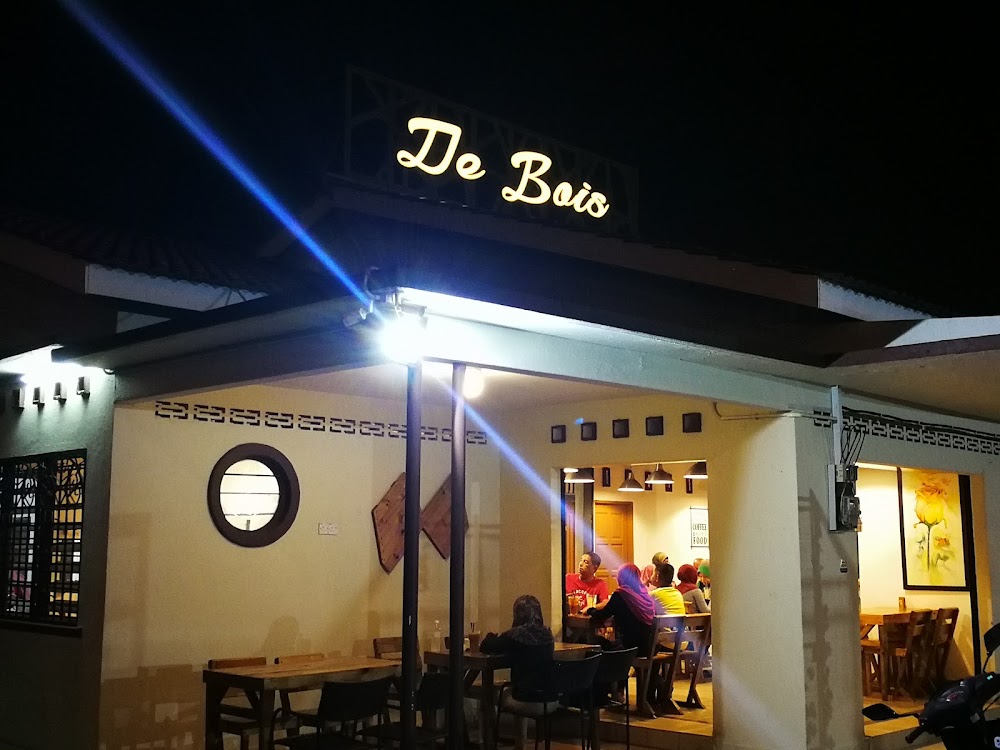
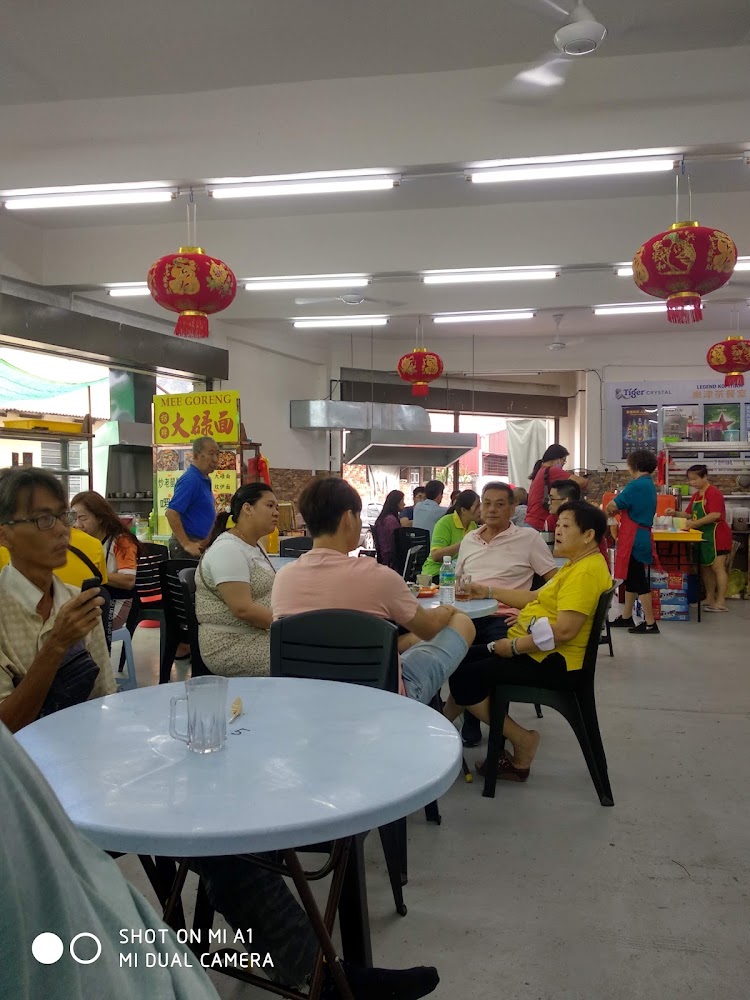
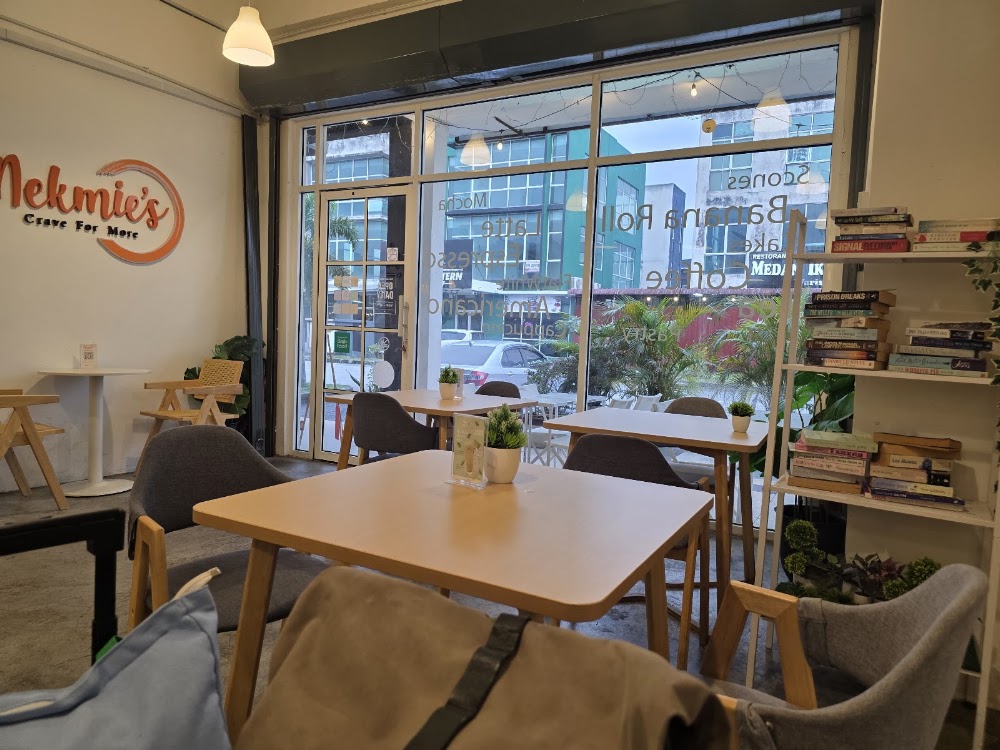
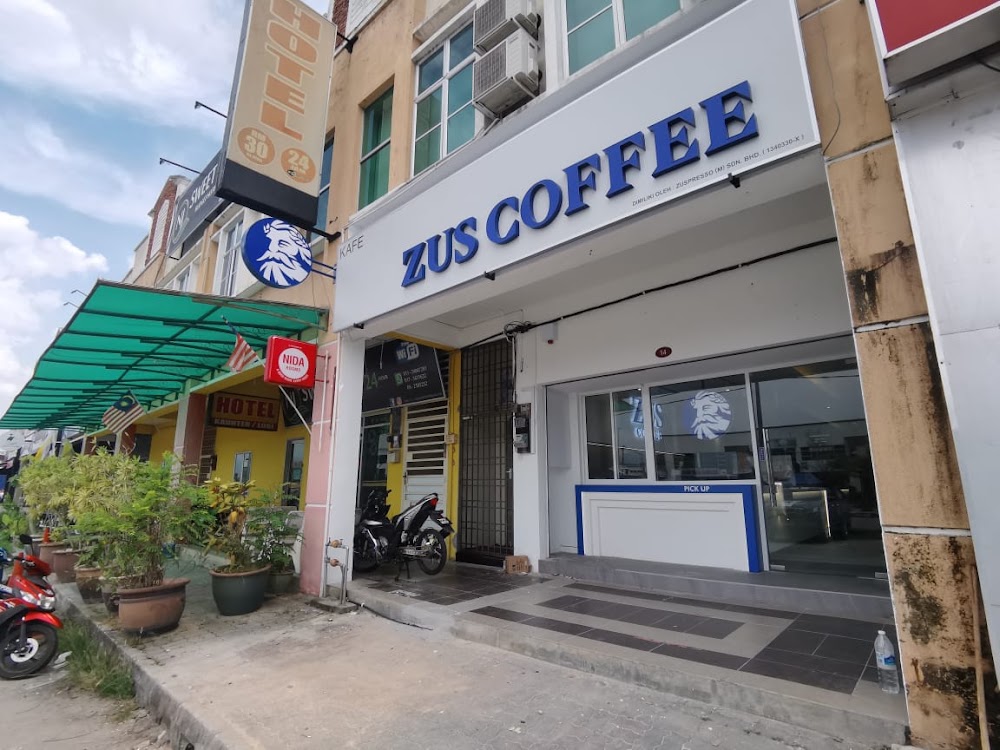
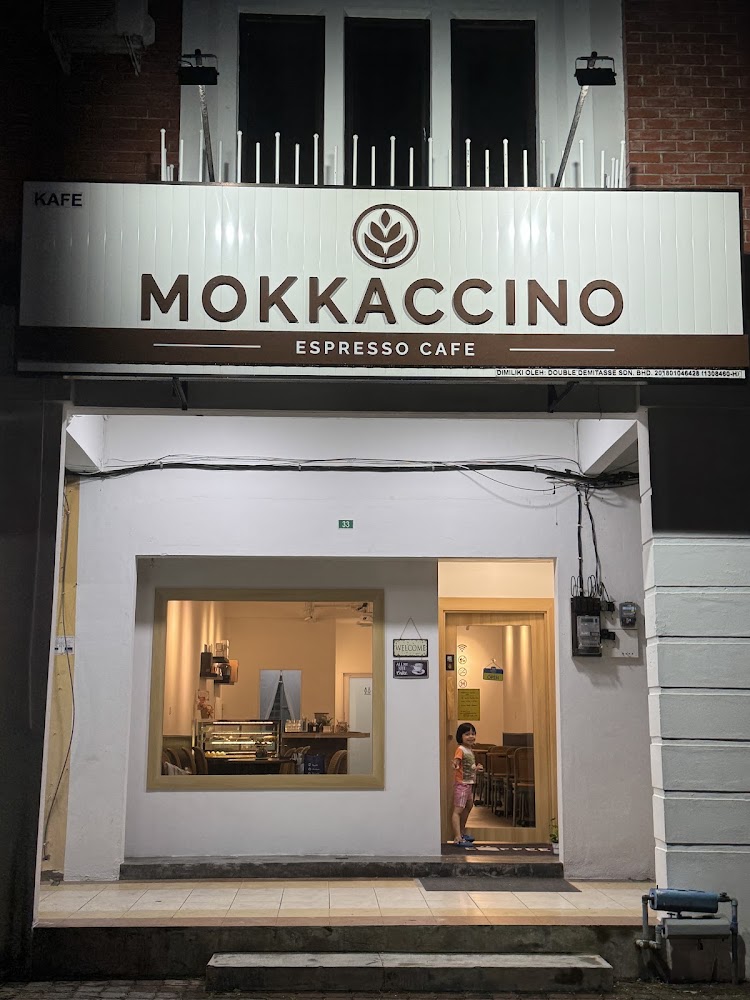
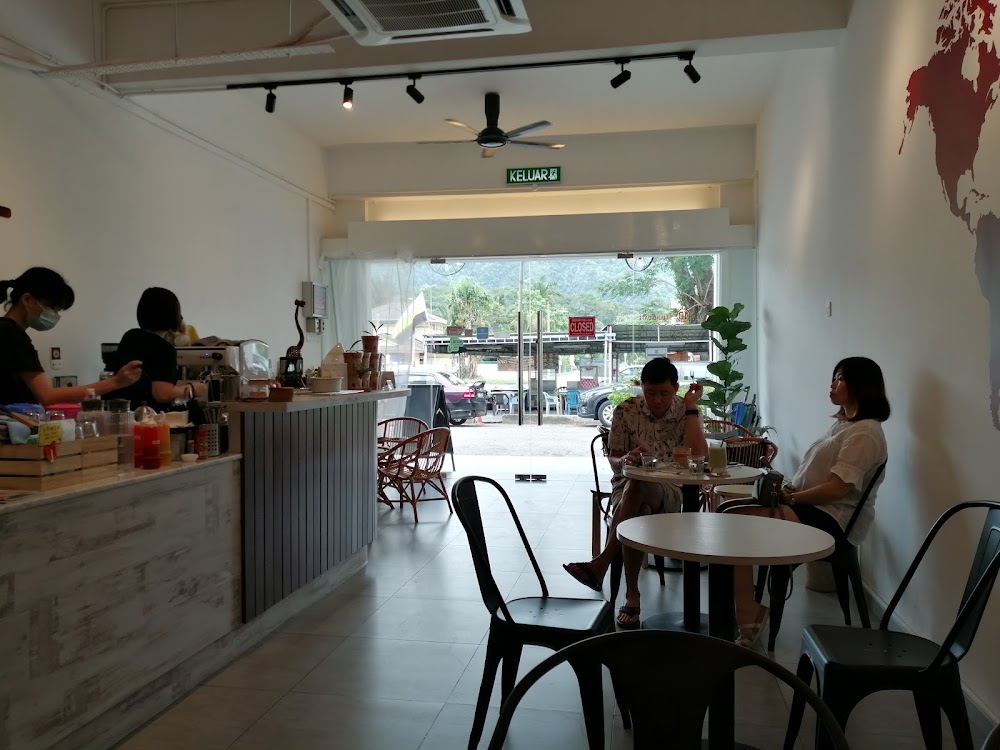




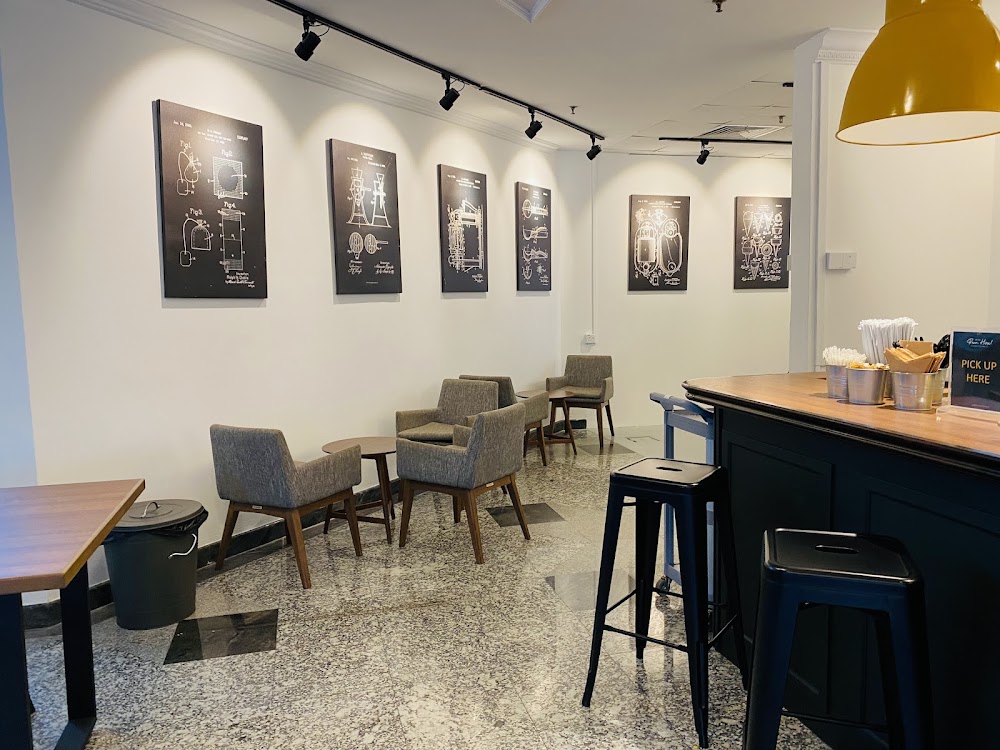
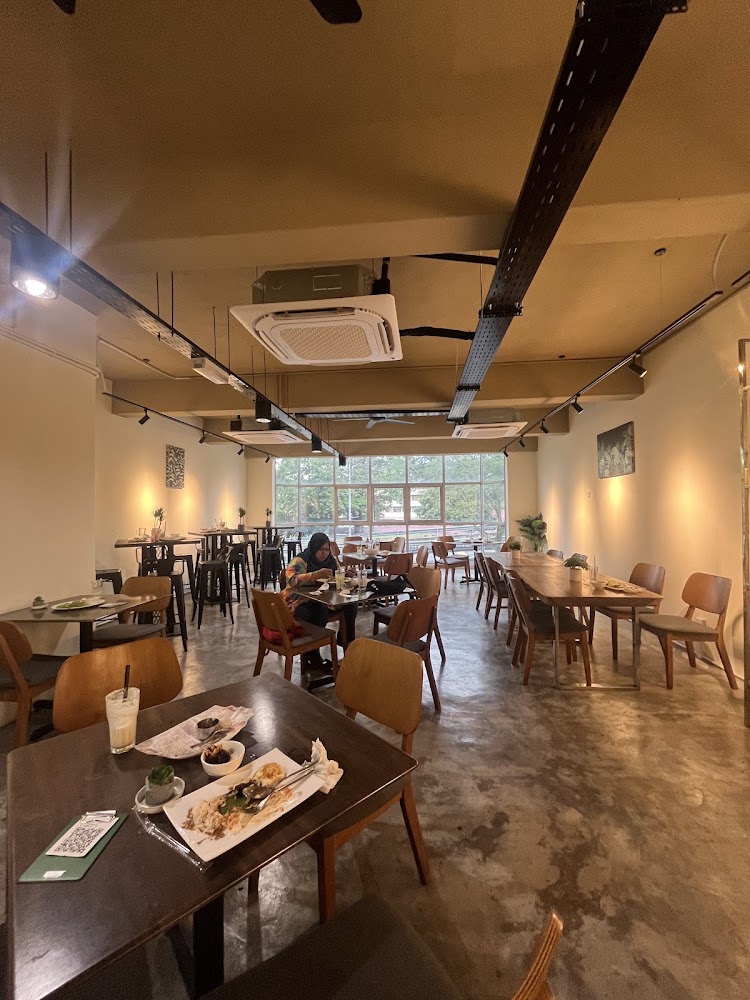
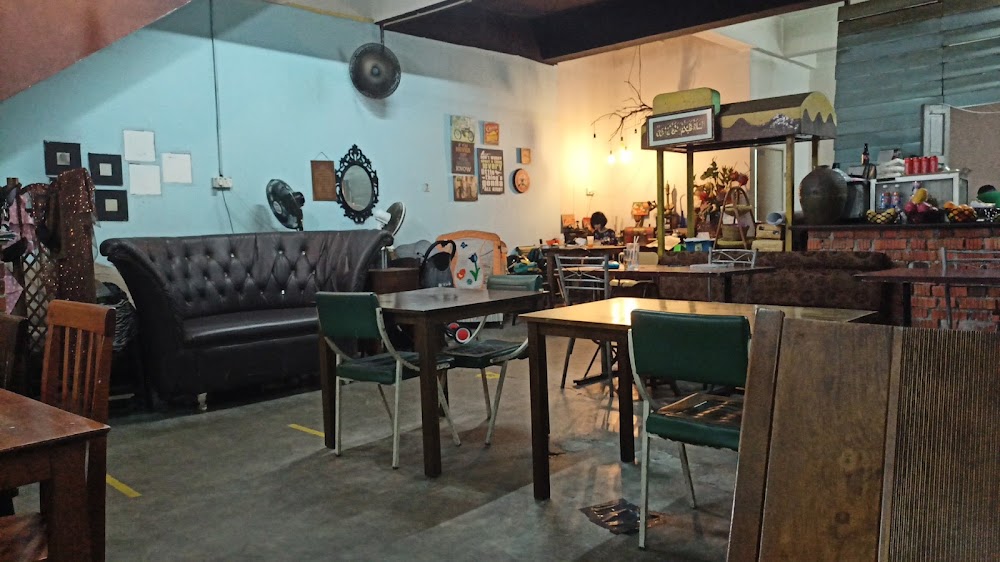
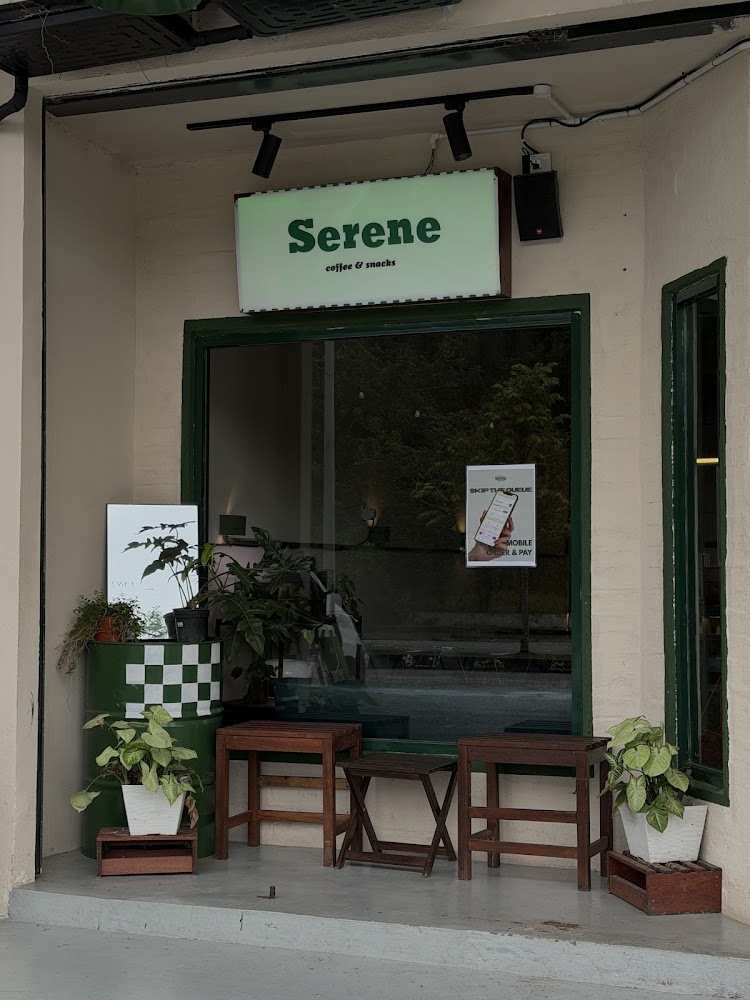
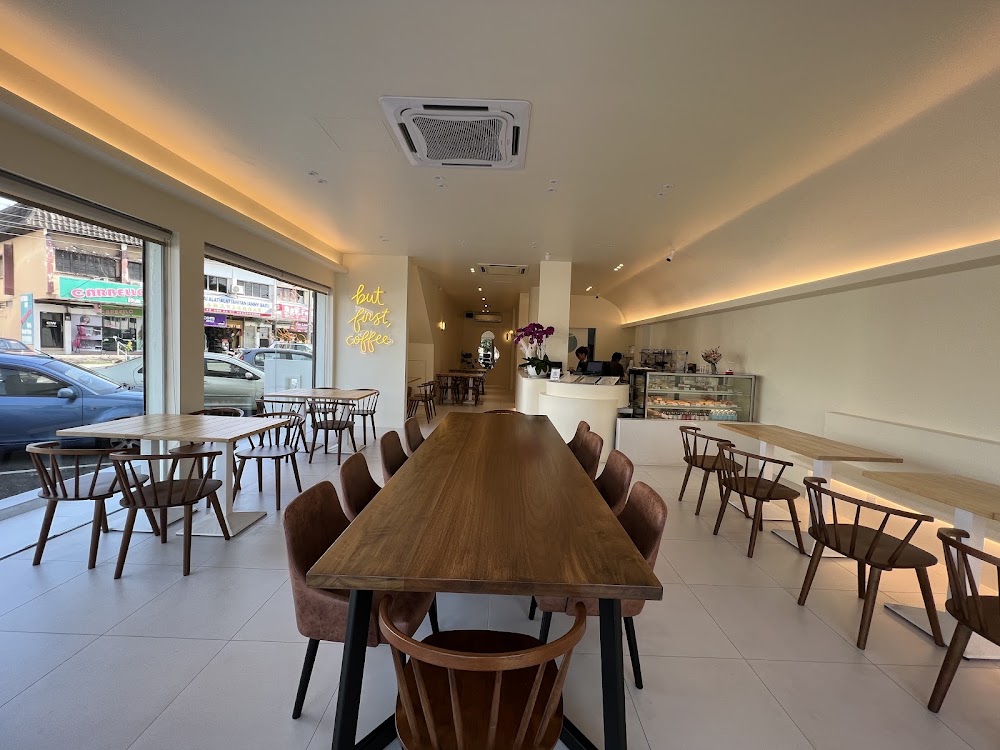
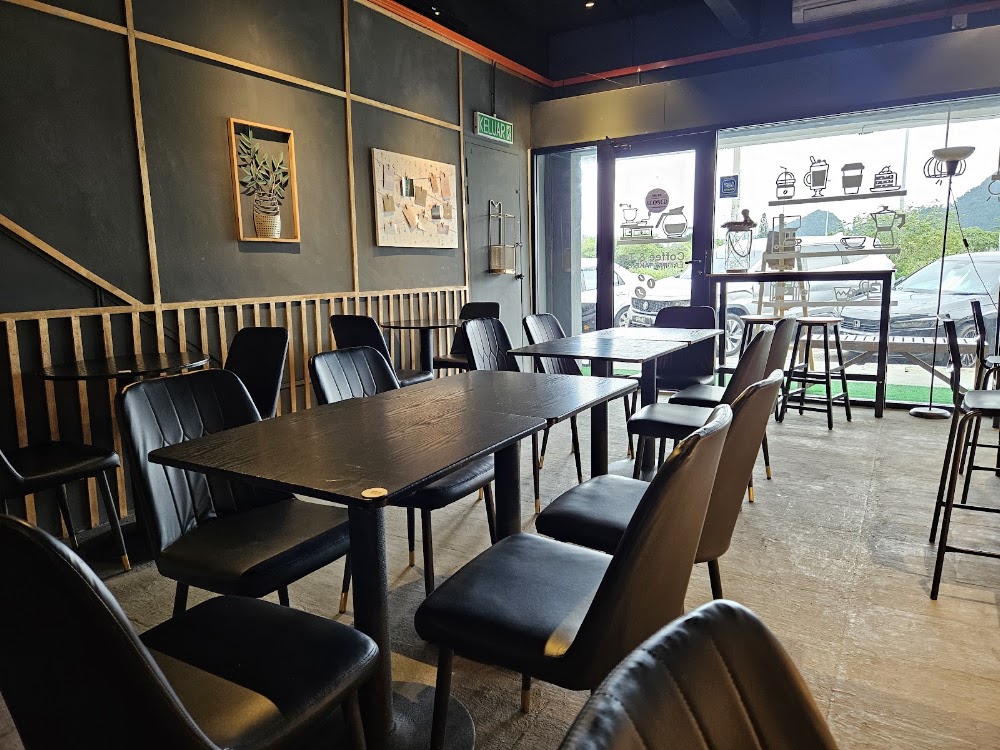
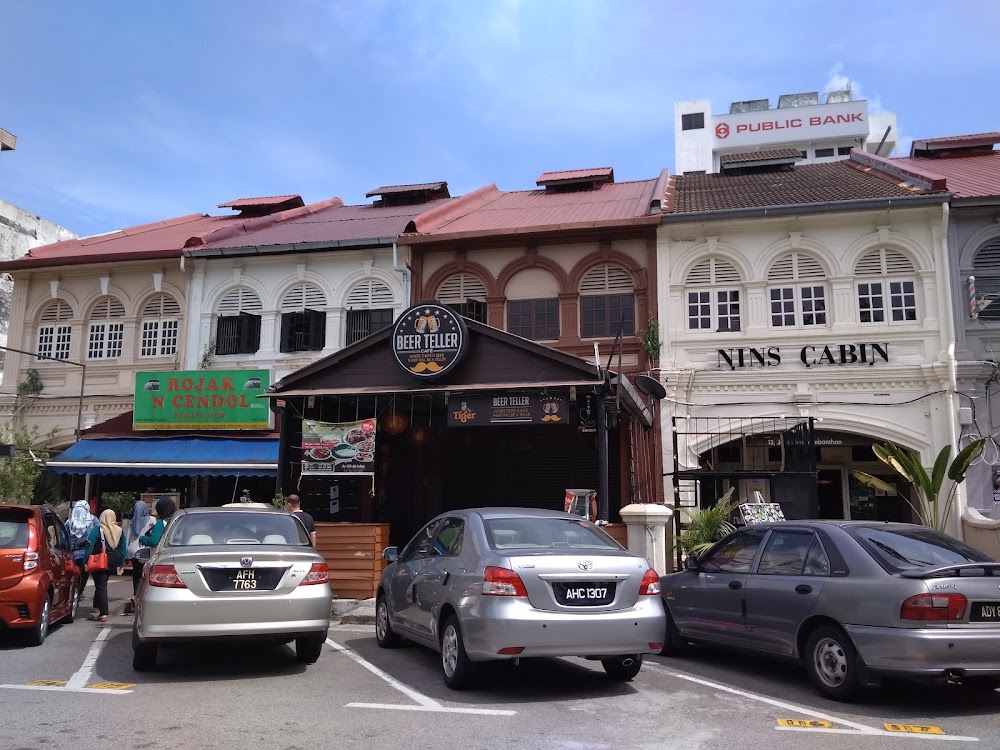
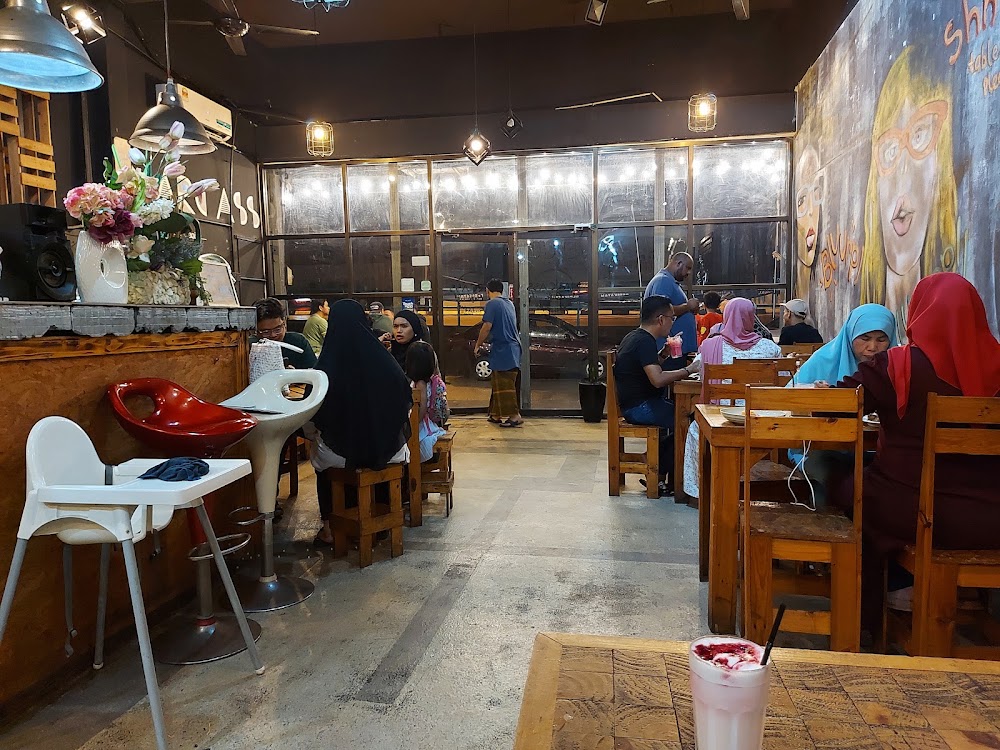
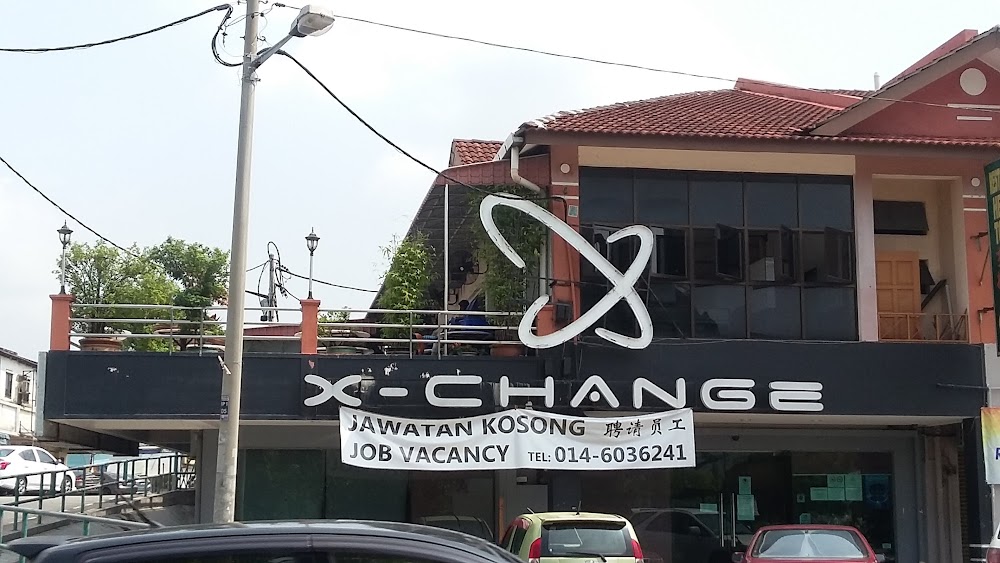
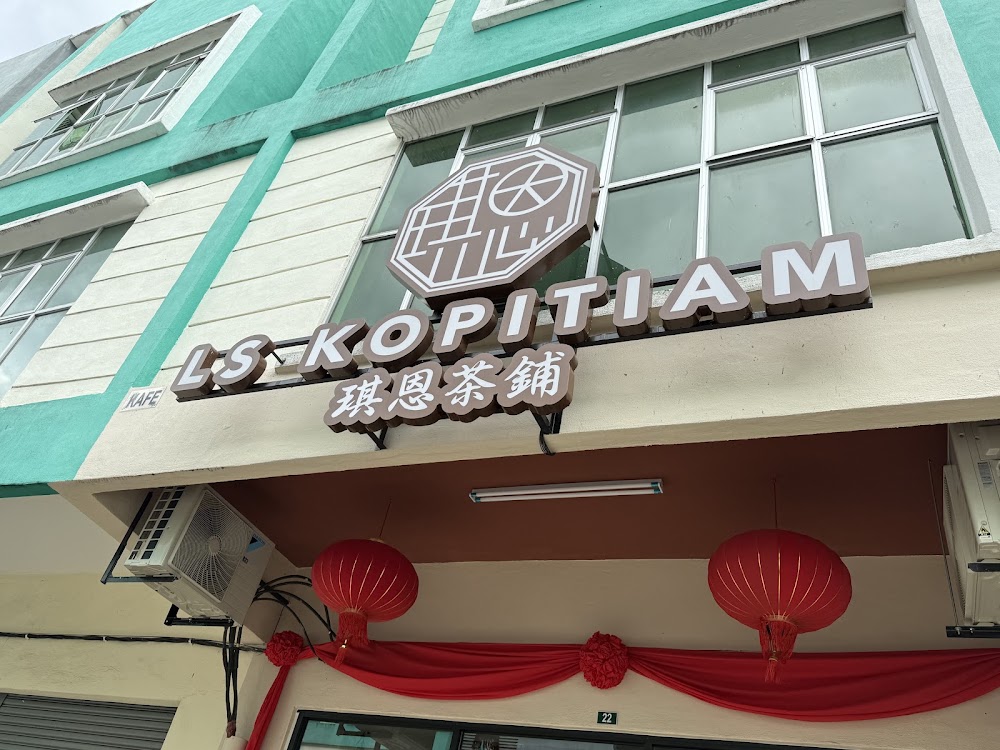
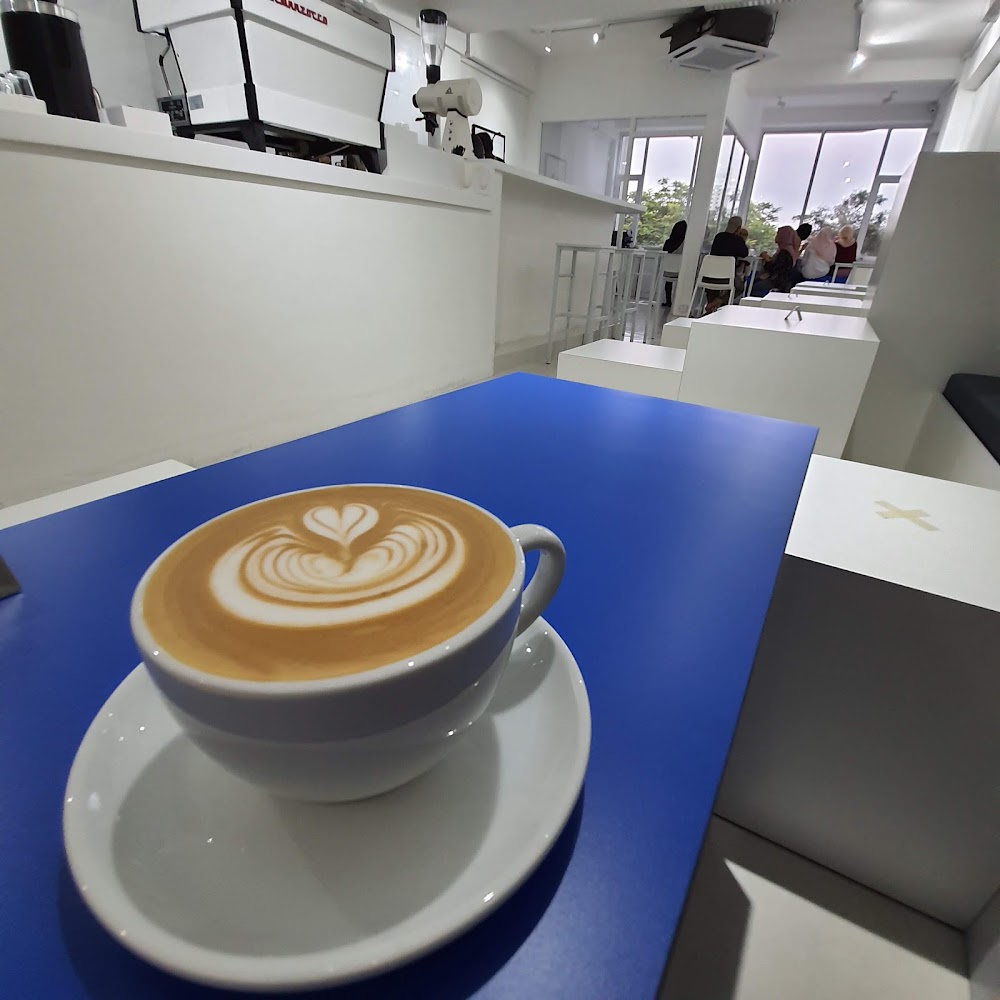
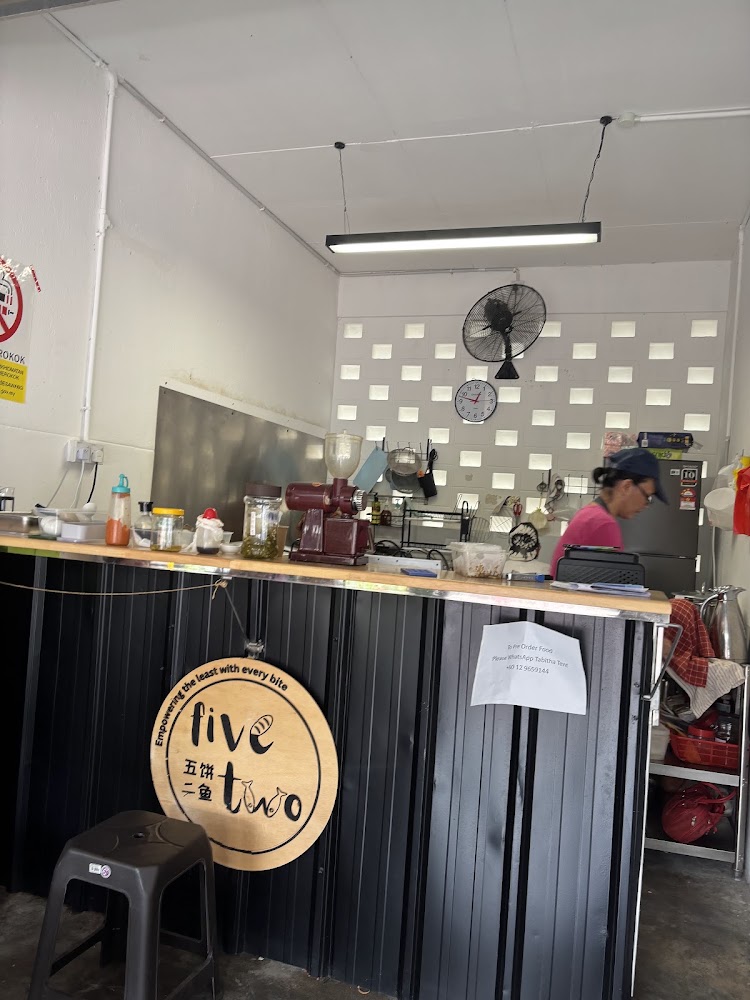

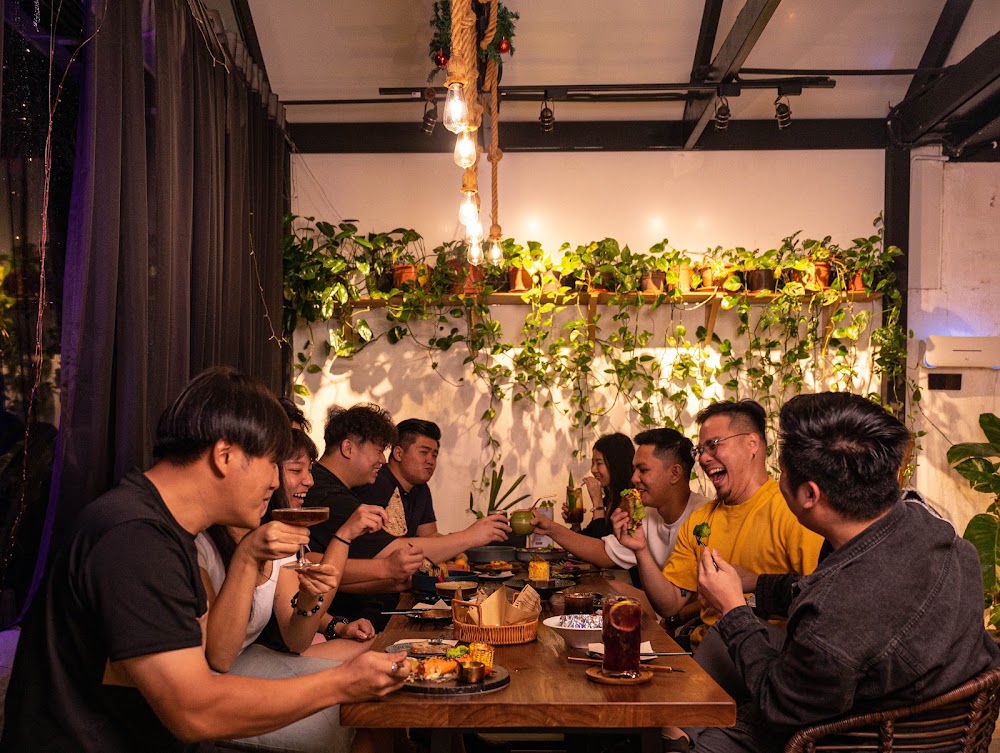
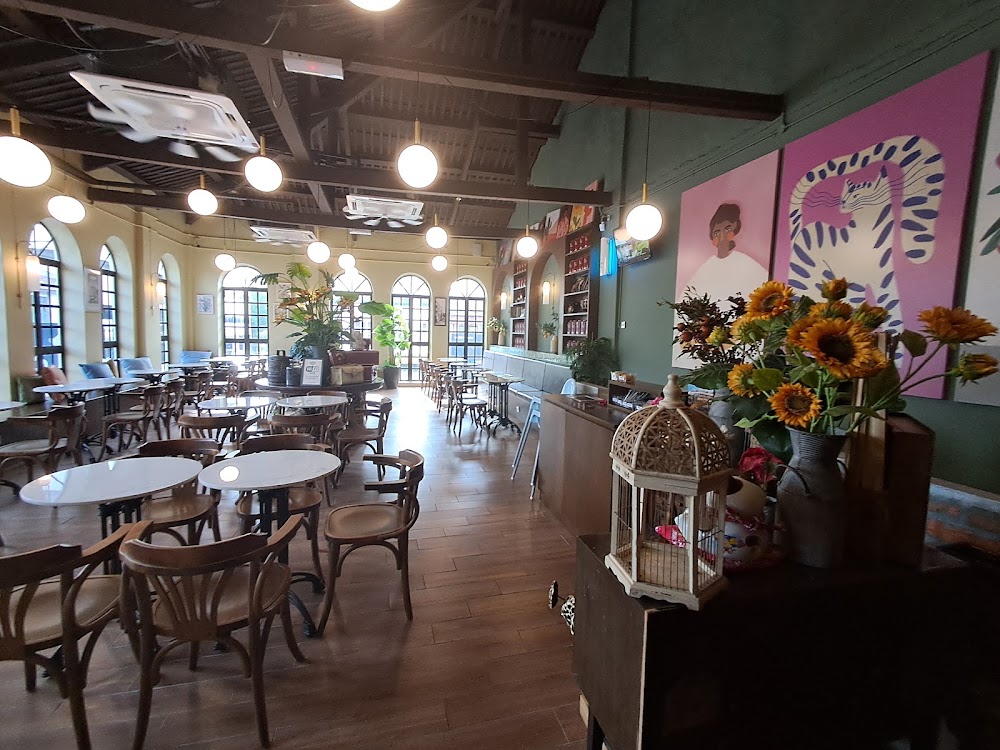
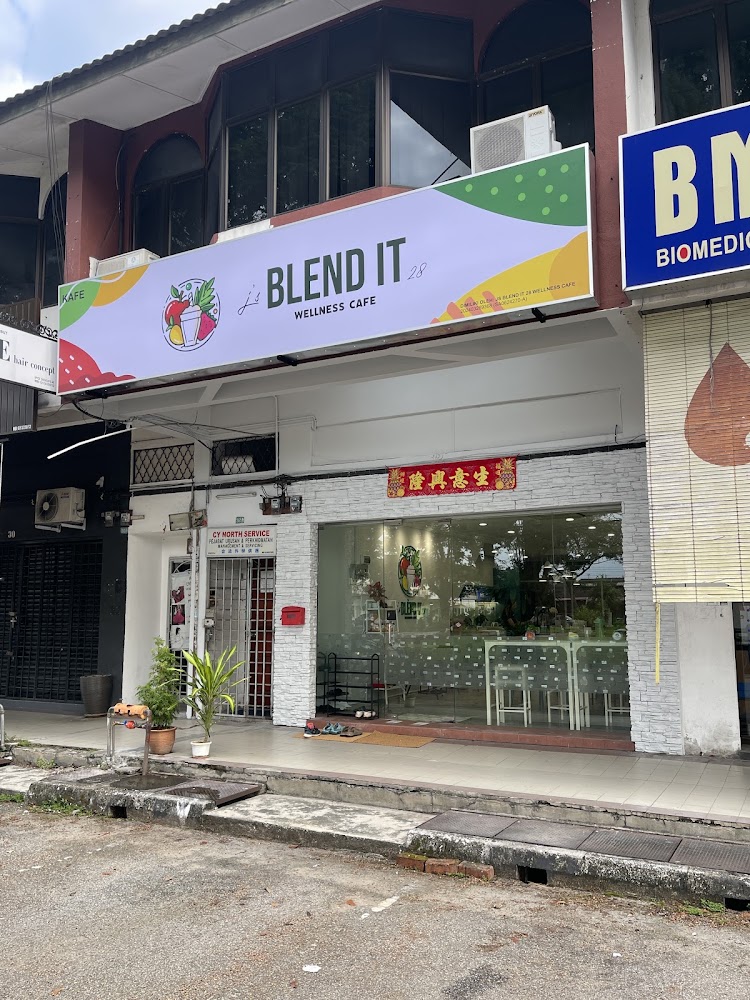
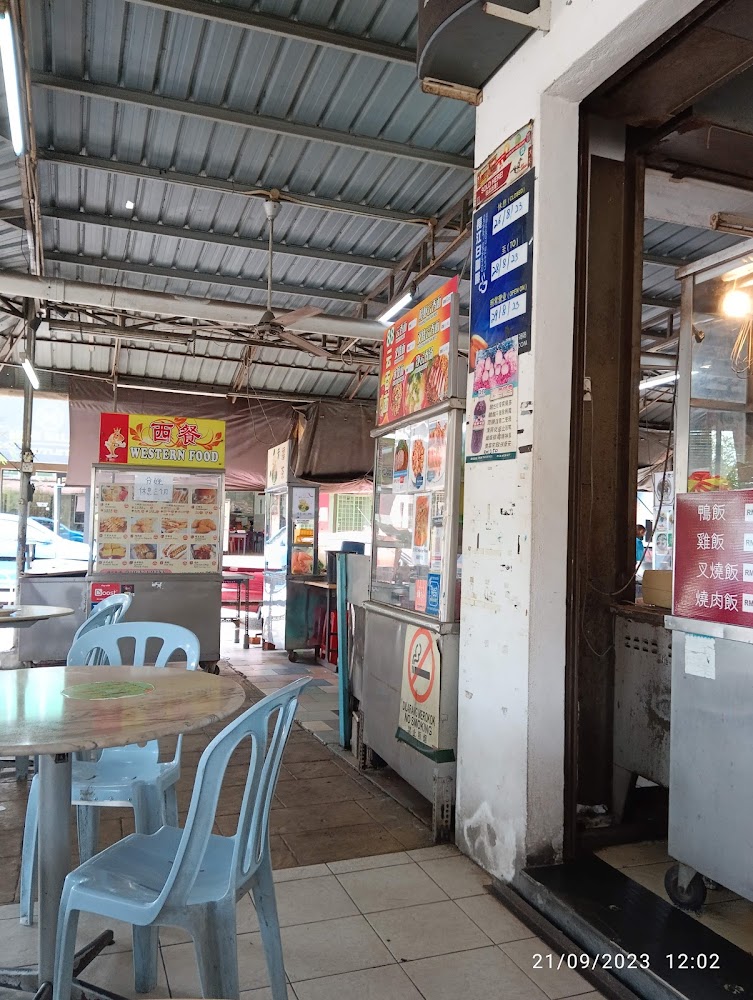



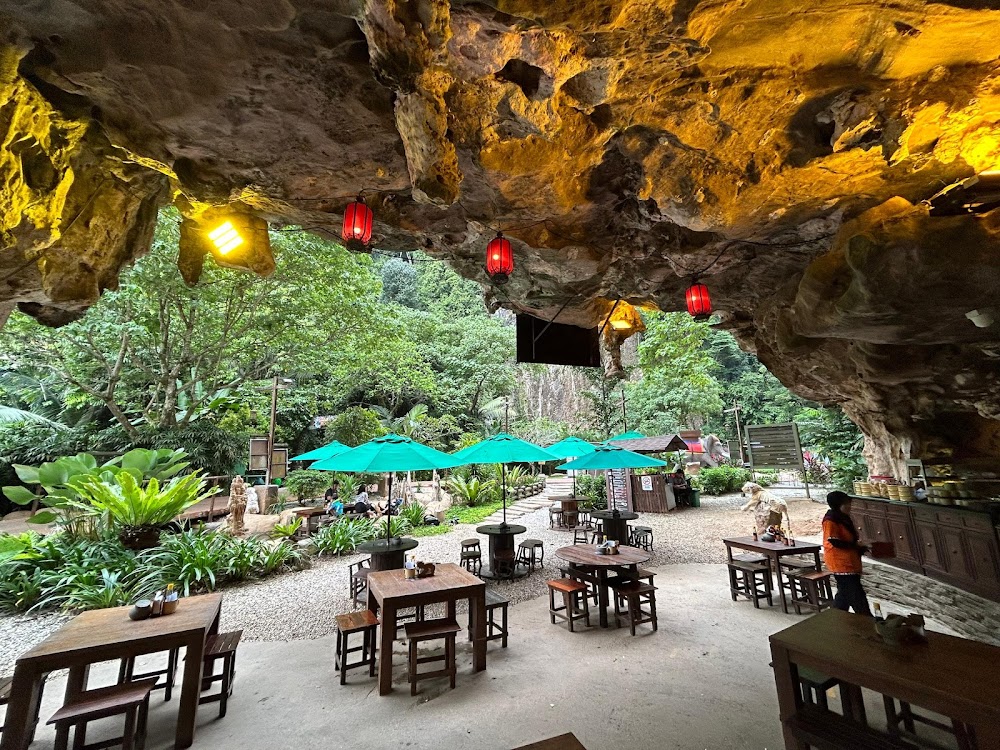
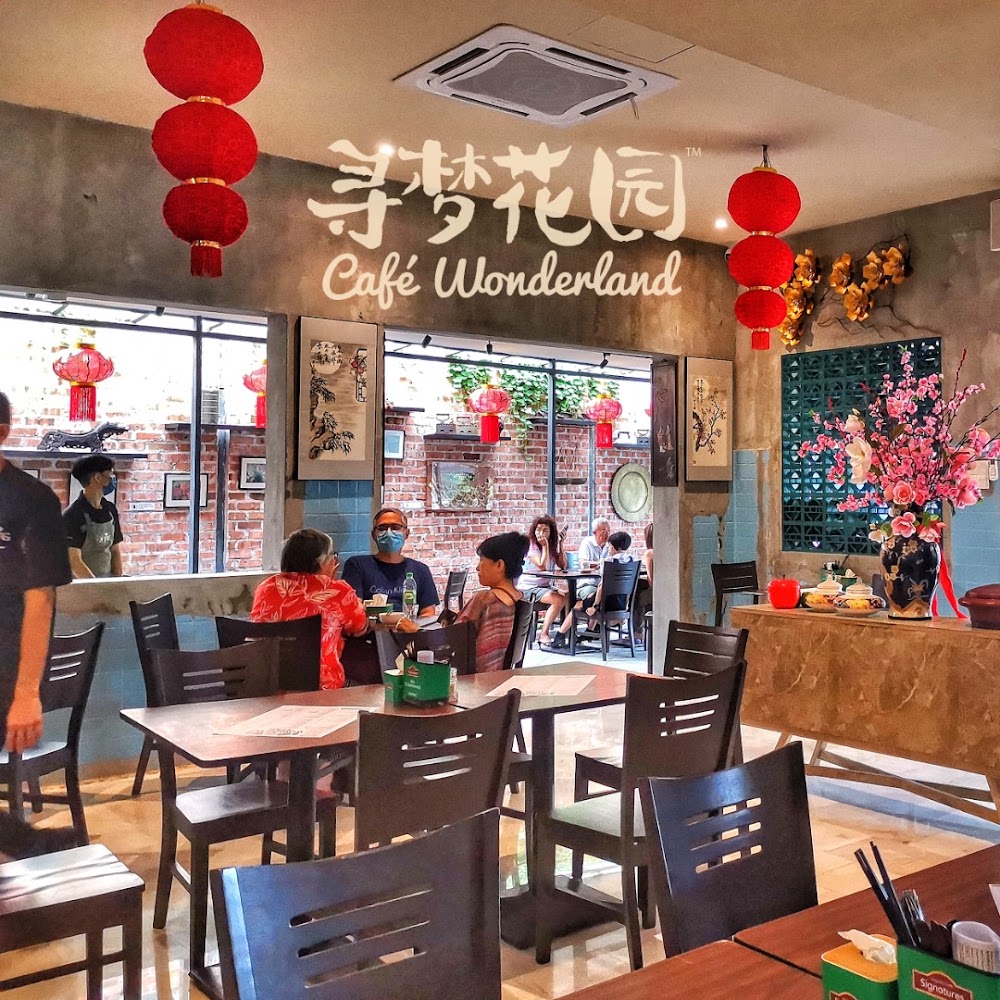
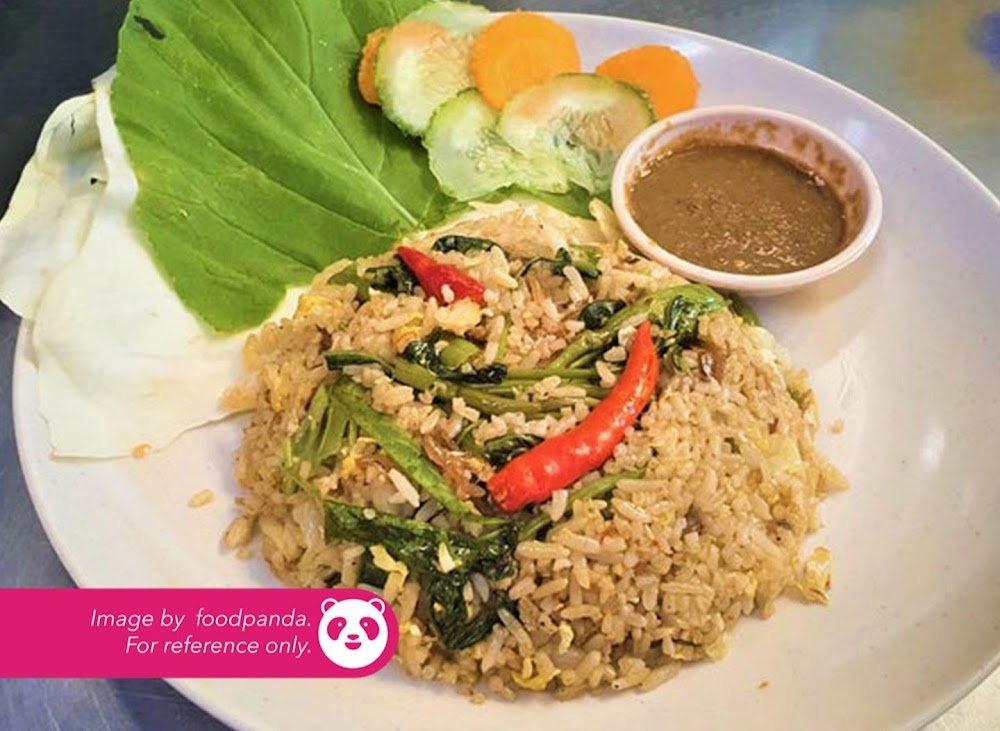
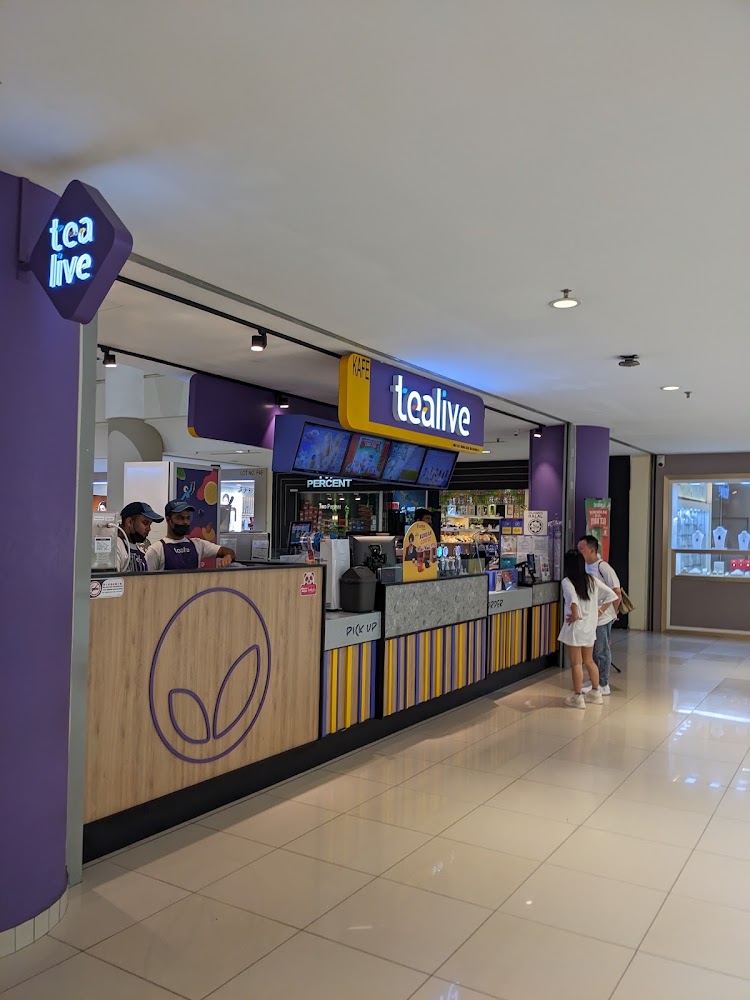
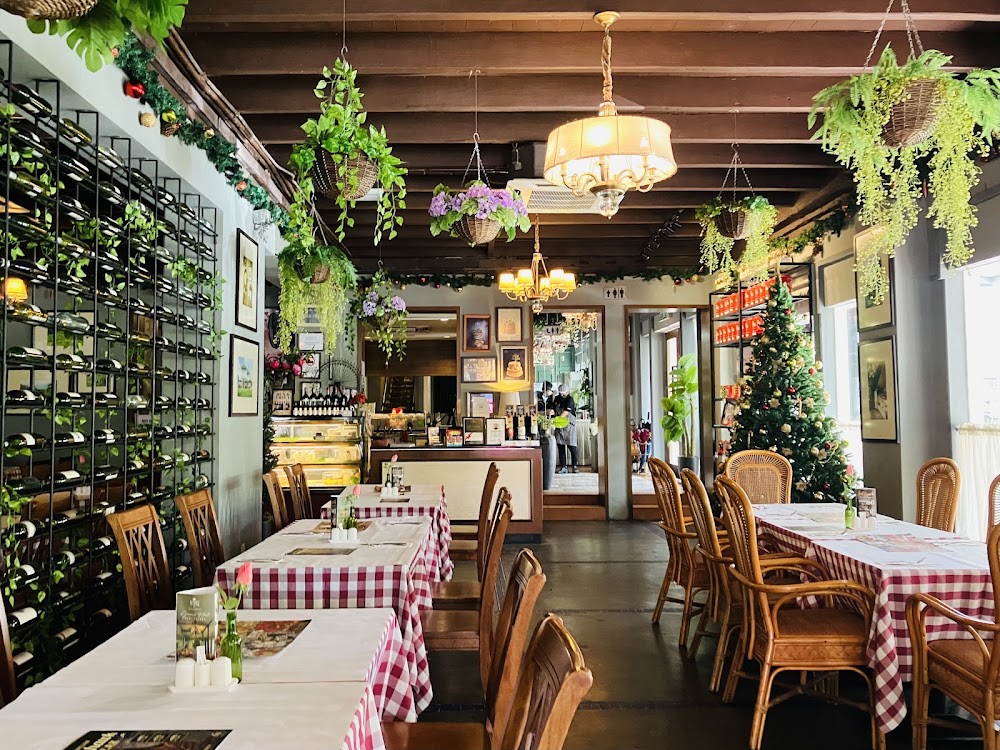
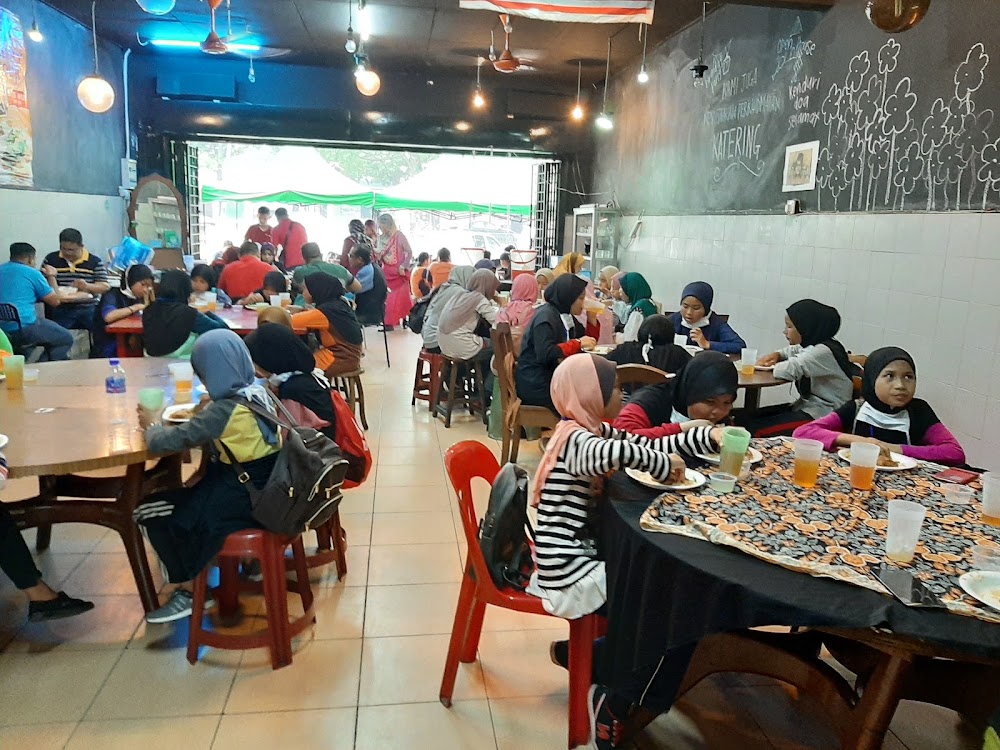

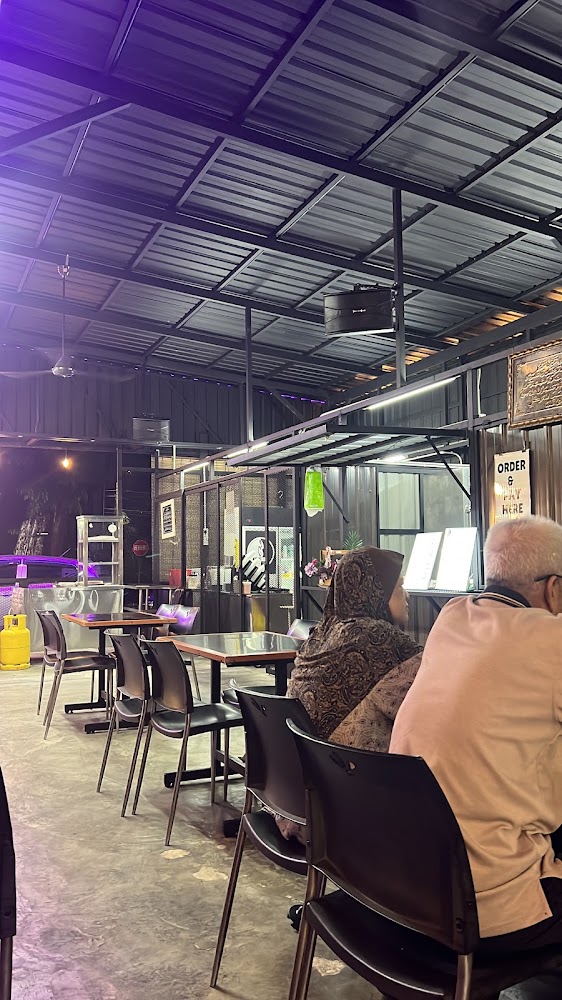
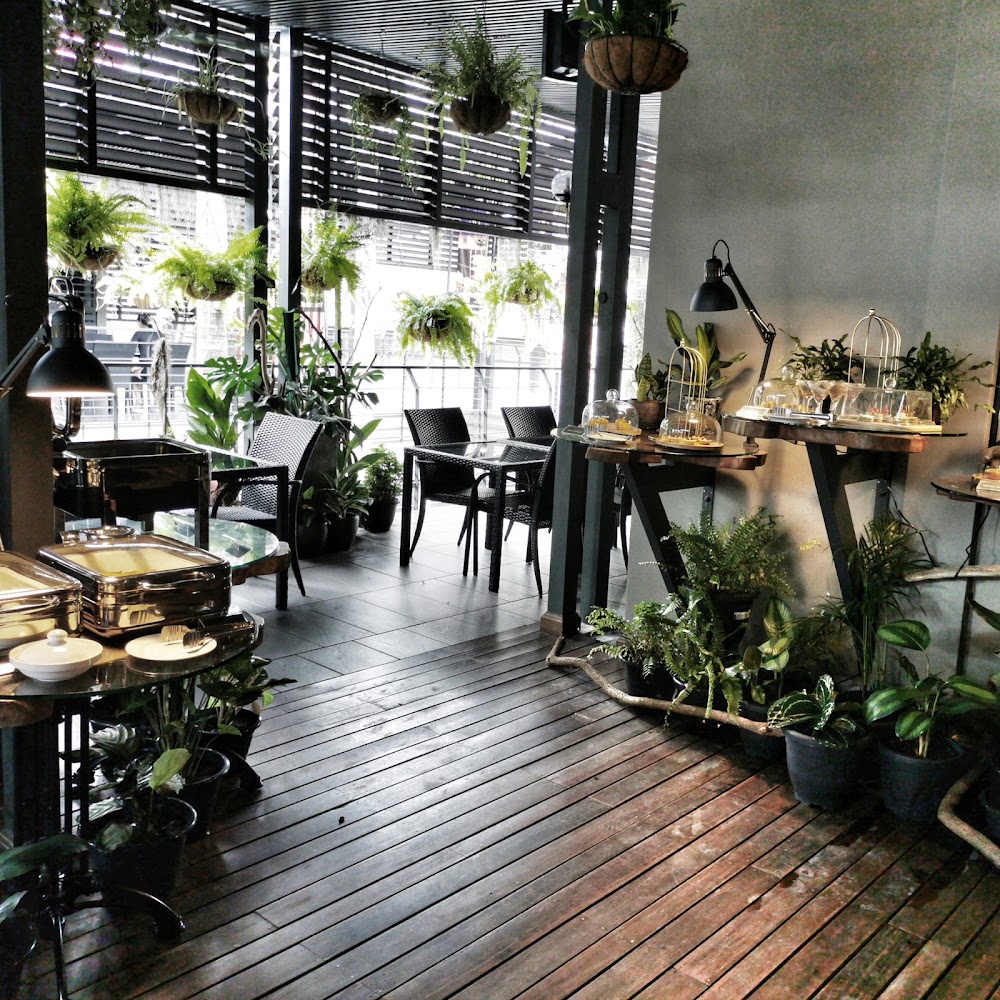
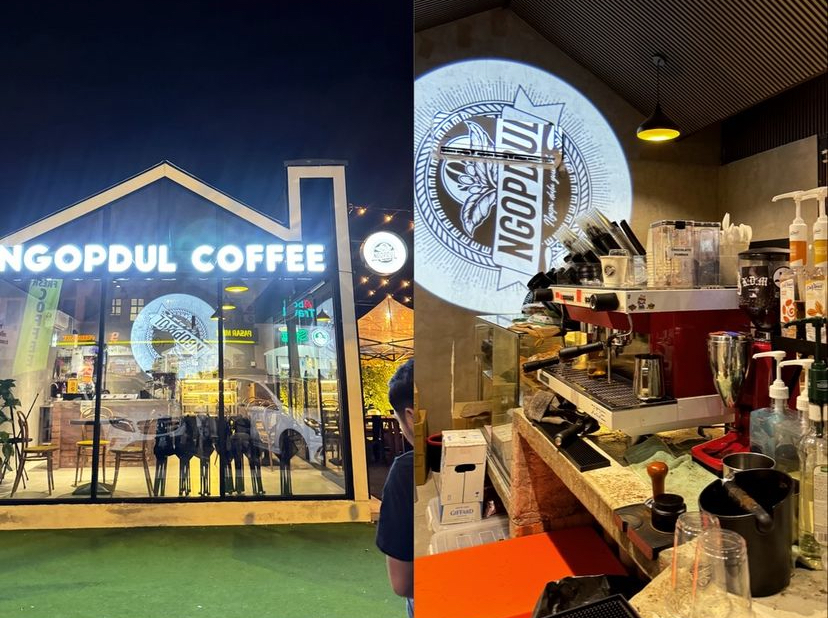
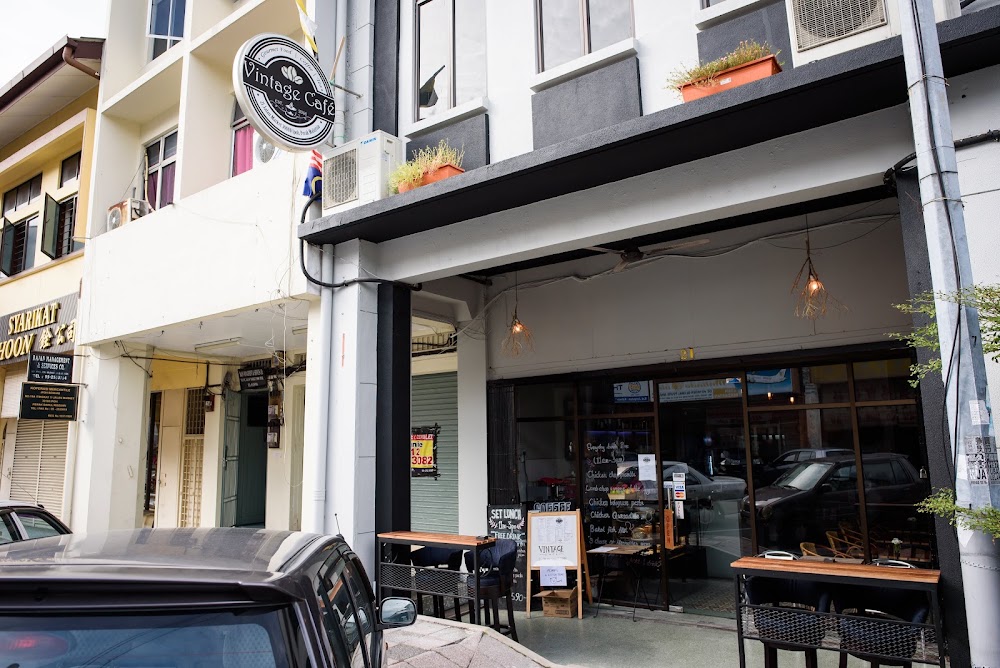
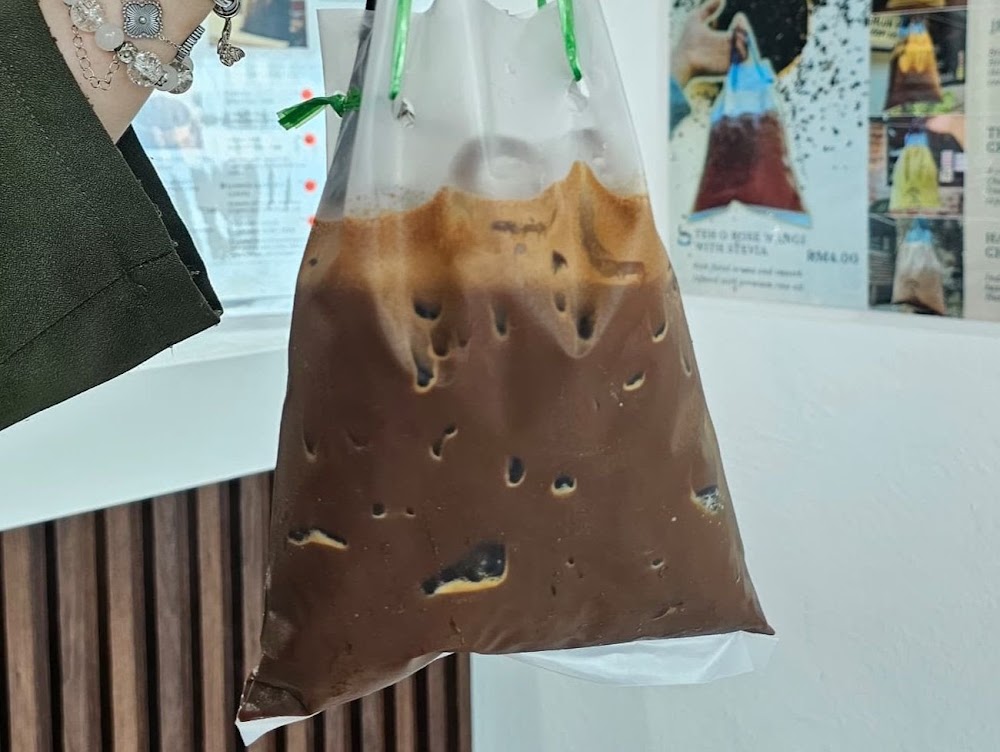
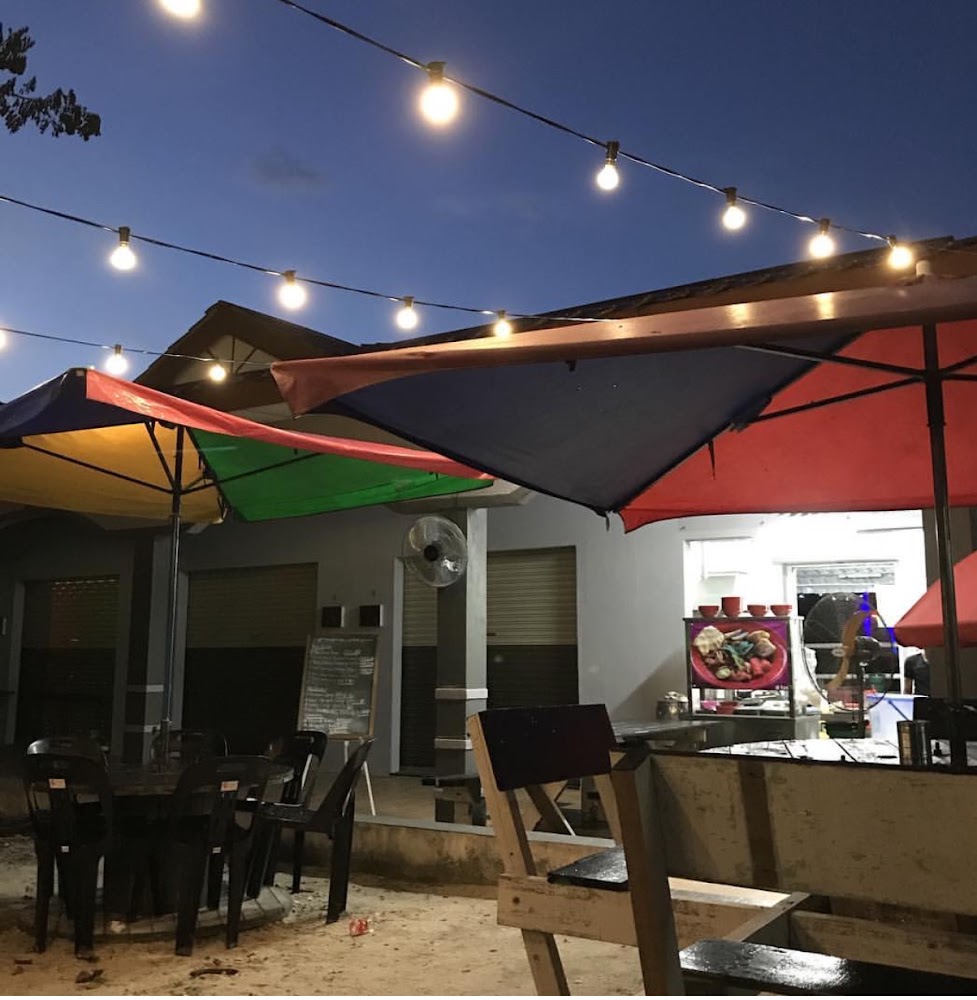
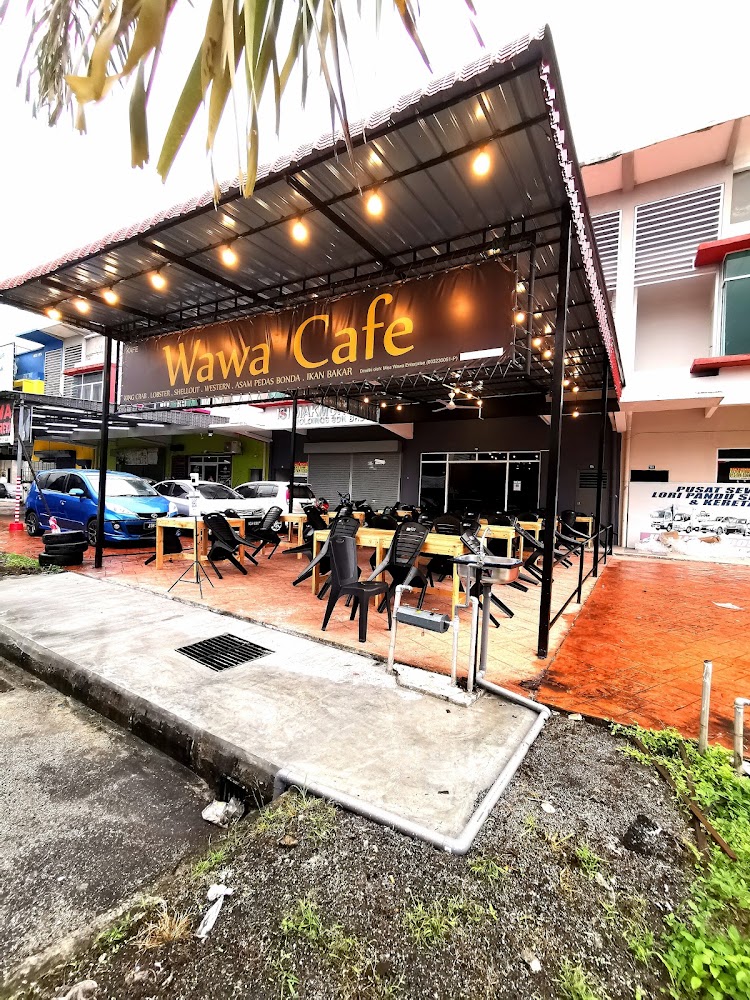
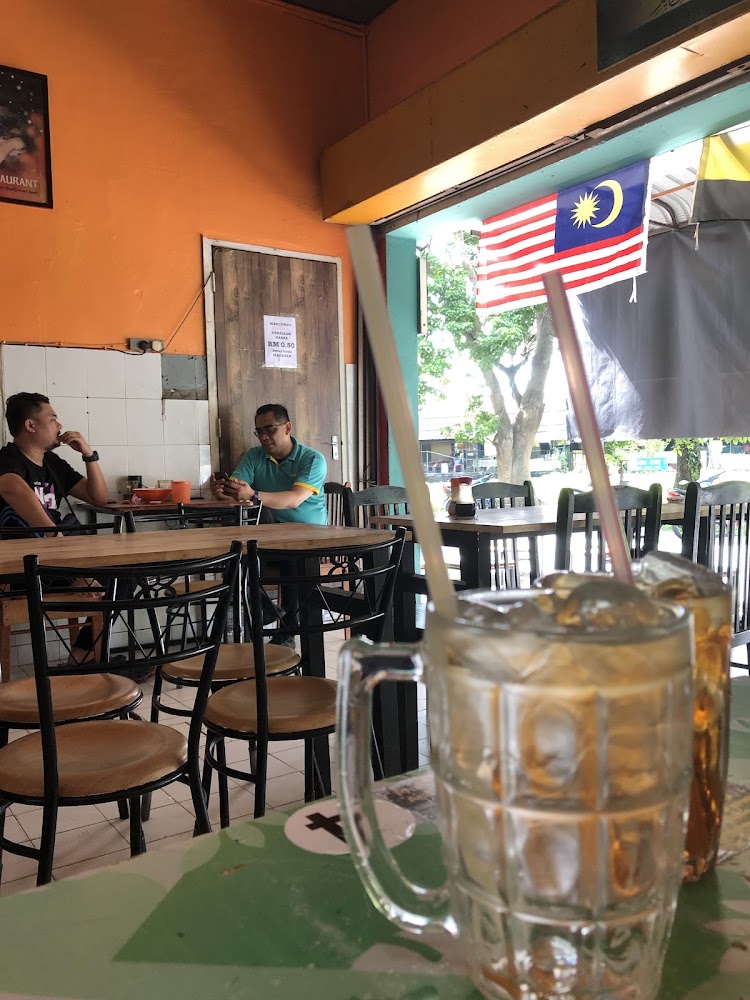




Enquiries you submit through our contact forms may be passed to partner providers who can do the work. We may receive a referral fee for these introductions, but our rankings and scores come from our published method only and are never affected by referral fees.
Guides to choosing traditional kopitiam
- First time at an Ipoh kopitiam: how the ordering system actually works
A plain walkthrough of how a traditional Ipoh kopitiam actually runs: finding a table, ordering from separate stalls, paying, and common first-visit mistakes.
- How to choose a genuine old town white coffee spot in Ipoh
How to judge whether an Old Town white coffee spot in Ipoh is the real deal, from roasting signals to what a good cup should actually taste like.