How to choose a genuine old town white coffee spot in Ipoh
By Sarah · Updated 2026-06-18
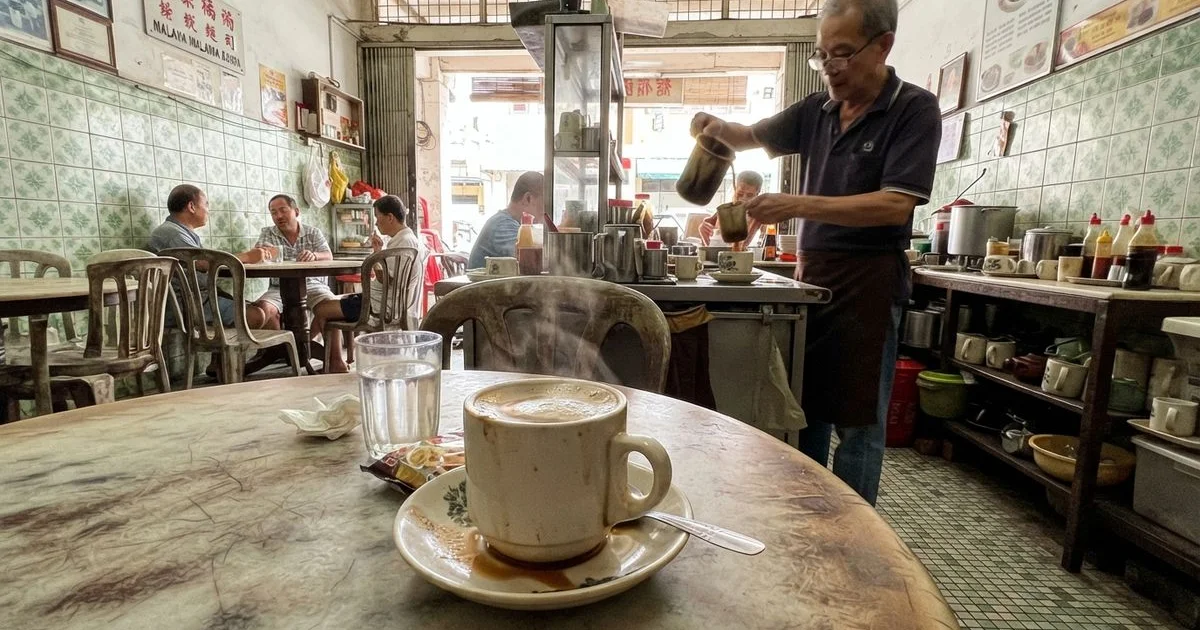
Old Town Ipoh has plenty of shops claiming a stake in the city’s white coffee heritage, but claiming it and actually roasting a good cup are different things. If you’re specifically after the real version rather than a tourist-facing imitation, a few checks help separate the two.
Look for signs of actual roasting, not just a name
A shop that roasts its own beans on site, or sources from a named local roaster with a track record, is a stronger signal than a name alone. Some of Ipoh’s traditional kopitiams display roasting equipment or retail packs of their beans near the counter, which is a reasonable clue that the shop treats its coffee as more than an afterthought. A shop leaning entirely on heritage branding without any visible roasting operation is worth a second look. If you’re still getting used to ordering at a kopitiam in general, our guide to first-time kopitiam ordering walks through how the stall-by-stall system works.
Taste is still the best test
A well-made cup should taste balanced: smoother and less acidic than a typical dark roast, without tipping into sharp bitterness or cloying sweetness. If a cup tastes burnt, flat, or like it’s mostly sugar with little coffee character underneath, that’s usually a sign of lower-quality beans, an overly dark roast used to mask flaws, or a rushed brewing process. Consistency matters here too. A shop that nails the same cup every visit is a better long-term choice than one that’s excellent one day and mediocre the next.
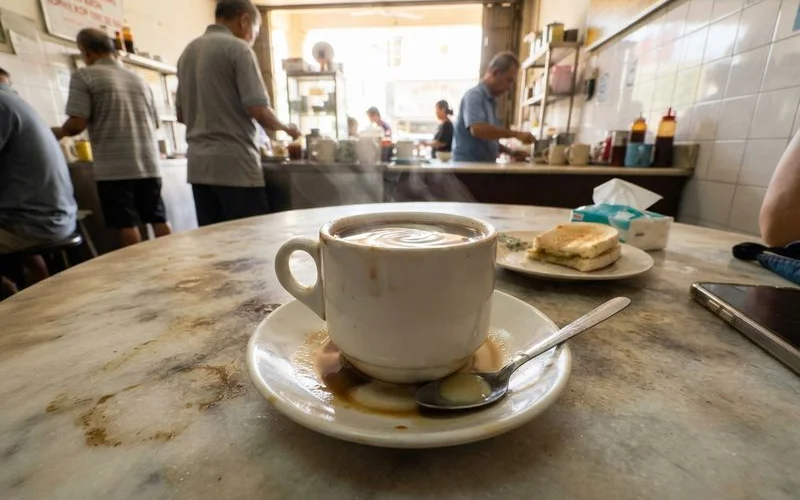
How the roasting method shapes the flavor
Ipoh-style white coffee gets its pale color and distinctive taste from beans roasted with margarine at lower temperatures than a standard dark roast, which avoids the bitter, burnt notes you get from over-roasting. A shop that’s actually following this method should produce coffee with a mellow, slightly buttery character rather than the sharp bitterness of a typical kopi-o. If a cafe’s “white coffee” tastes indistinguishable from a regular dark roast with condensed milk stirred in, that’s a sign the roasting process isn’t what it claims to be.
Comparing a few cups before settling on a regular spot
If you’re new to the area or visiting for a short trip, trying two or three well-reviewed spots rather than committing to the first one you find gives a better sense of the range on offer. Ipoh has enough genuine options that a bit of comparison shopping, even over a single visit, is worth the extra half hour.
What to check before you commit to a spot
| Signal | What it suggests |
|---|---|
| On-site roasting or a named local roaster | Takes the coffee seriously, not just branding |
| Retail packs of beans or instant mix for sale | Confident enough in quality to sell it beyond the counter |
| Consistent reviews over a long period | Reliable quality, not a one-off good visit |
| Reviews that specifically mention the coffee, not just the setting | Coffee quality is the actual draw, not just heritage decor |
Bringing some home versus drinking it there
If you want to keep tasting white coffee after your trip, look for shops that sell their beans, ground coffee, or instant sachets in retail packs. Buying directly from a shop with a genuine roasting operation gives you a closer version of what you tasted in the cafe than a generic supermarket blend labeled the same way. It’s also a reasonable way to compare two or three shops side by side later, brewing each at home rather than relying on memory between visits.
Heritage setting alone isn’t the whole picture
A shophouse interior with old tiles and vintage signage makes for a good photo, but it doesn’t tell you anything about what’s in the cup. Some of the most photographed white coffee spots in Old Town earn that attention on genuine quality; others lean more on the setting. Checking recent reviews specifically for comments on the coffee itself, rather than the space, is the fastest way to tell which one you’re walking into.
Our directory ranks Old Town’s kopitiams and white coffee specialists using sentiment pulled from real customer reviews, and the criteria behind that ranking, including consistency and coffee quality specifically, are laid out on the methodology page.
Old Town’s white coffee reputation is well earned, but it’s not evenly distributed across every shop with the label. A quick check of roasting signals, recent reviews, and what the coffee actually tastes like is usually enough to find a spot that lives up to it.
FAQ
- Is every kopitiam in Old Town Ipoh serving white coffee equally good?
- No. Quality varies a lot even within a small area, since beans, roasting method, and how the coffee is brewed differ from stall to stall. Reputation and consistent reviews matter more than location alone.
- What should a good cup of white coffee actually taste like?
- Balanced rather than sharply bitter or overly sweet, with a smoother, less acidic profile than dark-roast coffee. If a cup tastes burnt or one-note sweet, that's usually a sign of lower quality beans or a rushed brew.
- Does a higher price always mean better white coffee?
- Not necessarily, though shops with an on-site roasting operation and a longer track record often charge a bit more. Consistency across visits is a better indicator than price alone.
- Can I buy the coffee to take home, not just drink it there?
- Many established white coffee shops in Old Town sell retail packs of their beans or instant mix, often at the same counter, which is a fair sign the shop takes its roasting seriously.