What the hygiene grading placard at Ipoh cafes actually means
By Sarah · Updated 2026-06-24
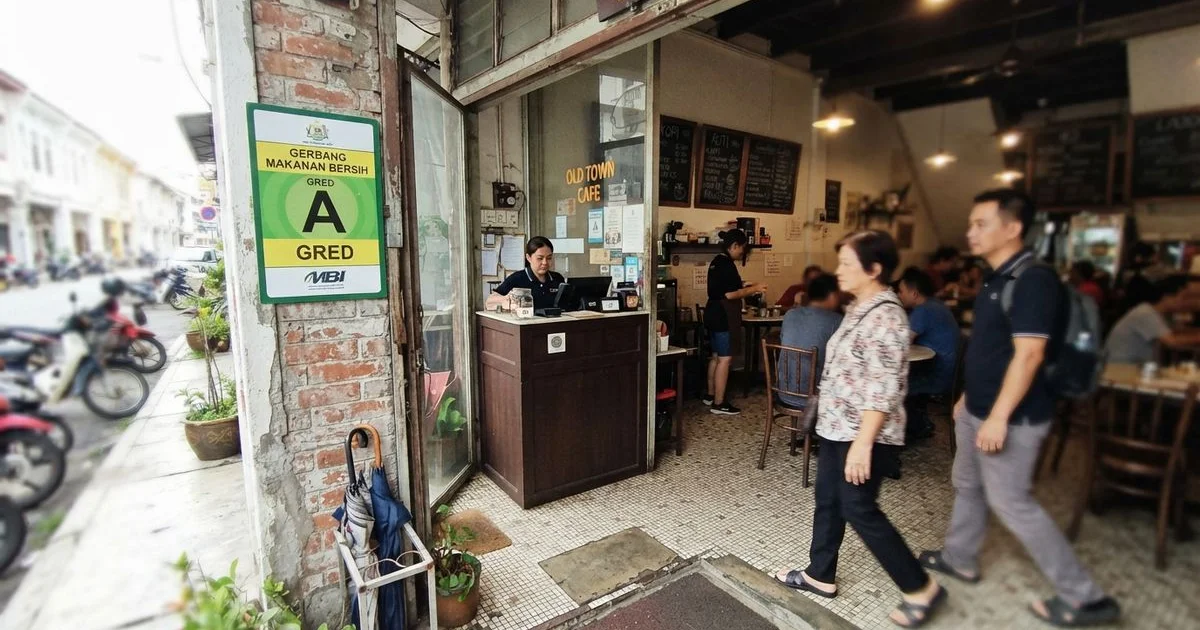
Walk into most food and beverage outlets in Malaysia, including a good number of cafes in Ipoh, and you’ll often spot a small placard near the entrance or counter showing a letter grade. It’s easy to walk past without a second look, but it’s worth understanding what that grade is actually telling you. This is general information, not a substitute for checking current inspection status with local health authorities if hygiene compliance is a serious concern for you.
What the grading system is checking
The placard reflects a periodic inspection by local health authorities covering things like food handling practices, cleanliness of the premises, and general hygiene standards observed at the time of the visit. It’s a snapshot, not a continuous live status, so the grade you see reflects the most recent inspection rather than how the cafe is running on the exact day you walk in.
How much weight to give it
A grading placard is one signal among several, not the full picture. A cafe can hold a strong grade from its last inspection and still have an off day, just as a cafe with a lower grade might have since improved its practices. Pairing the placard with recent customer reviews, and a general look around when you arrive, clean surfaces, proper food storage, staff following basic hygiene practices, gives a fuller picture than the sign alone.
Why grades can differ between two branches of the same brand
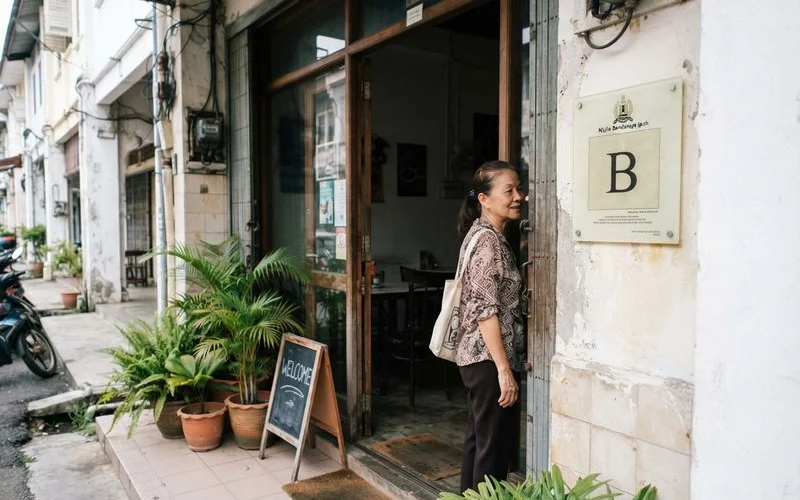
A chain cafe with several outlets across Ipoh can hold different grades at different branches, since each physical premises is inspected on its own. Assuming every location of a familiar name performs identically isn’t reliable. If hygiene is a real factor in your decision, checking the specific branch you’re planning to visit, rather than the brand generally, gives a more accurate picture.
What staff can tell you that the placard can’t
The placard shows a grade, not the details behind it. If something feels off during a visit, a food item that seems undercooked, a surface that looks unclean, staff on shift are a better immediate resource than trying to interpret the sign further. Most cafes take a direct, polite concern seriously, and raising it in the moment is more useful than deciding after the fact based on the placard alone.
Reading it alongside other signals
| Signal | What it adds |
|---|---|
| Grading placard | Official but point-in-time assessment |
| Recent reviews | More current, reflects regular customer experience |
| Visible cleanliness on arrival | Real-time check, not historical |
| Consistency across visits | Shows whether standards hold up over time, not just once |
How this fits into a broader decision
Hygiene is one factor among several that shape whether a cafe is worth returning to: taste, service, value, and atmosphere all matter too, and a cafe can excel on some of these while sitting mid-range on others. Treating hygiene as a threshold rather than a ranking, good enough to feel comfortable, rather than the single deciding factor, tends to be a more workable approach for everyday visits. Save the deeper scrutiny for situations where the stakes are genuinely higher, like catering for a group or feeding young children.
If you’re genuinely concerned
If hygiene is a serious factor in your decision, for a group event, a family visit, or simply personal preference, it’s reasonable to look for a cafe with a strong, current grade and consistently positive recent reviews on food handling and cleanliness. If a placard looks old, faded, or missing entirely where one would be expected, that’s worth factoring in too, though it doesn’t automatically mean a problem, just an unknown. If you or someone in your group also manages food allergies, food allergies and dietary requests at Ipoh cafes covers how to ask and what a kitchen can realistically confirm.
Our directory draws on real customer reviews across Ipoh’s cafes, including recurring mentions of cleanliness and consistency, to build sentiment scores. The full approach behind our rankings is explained on the methodology page.
The grading placard is a useful starting signal, not the final word. Treating it as one input alongside recent reviews and what you see in person gives a more reliable read than relying on the sign by itself.
FAQ
- Where is the grading placard usually displayed?
- Near the entrance or at the counter, typically as a small sign showing a letter grade. It's required to be visible to customers, though enforcement and freshness of the sign can vary.
- What does each grade generally represent?
- Grades are based on periodic inspections covering cleanliness, food handling, and premises condition, with the top grade reflecting the highest standard observed at the time of inspection.
- How often are cafes reinspected?
- Inspections happen periodically rather than continuously, so a grade reflects a point-in-time assessment, not a live, constantly updated status.
- Should a lower grade automatically rule out a cafe?
- Not necessarily on its own, but it's worth treating as one signal among several, alongside recent reviews and how the place looks and operates when you visit.