How to tell if an Ipoh bakery-cafe's pastries are actually baked fresh that day
By Sarah · Updated 2026-06-20
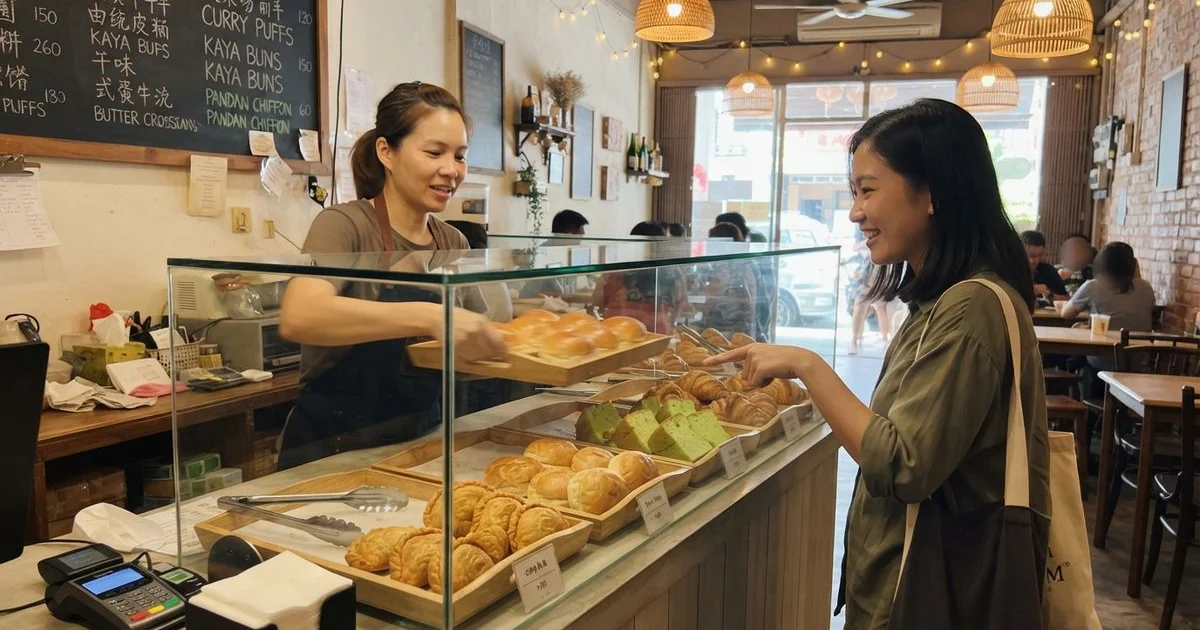
Ipoh’s cafe and bakery scene runs from shops baking bread and pastries fresh on site to ones with a central kitchen trucking stock in each morning. Both can be good, but knowing which one you’re walking into helps set the right expectations, and it’s usually a real complaint in the corpus of reviews across Ipoh’s cafes: inconsistent food quality shows up more often than almost any other issue.
Signs baking actually happens on site
A few visible clues tend to hold up: a display case that gets restocked through the day rather than looking static and fully stacked from opening, visible steam or warmth on items that just came out, and staff who can tell you roughly when a batch was made if you ask. Shops that genuinely bake fresh often can’t help but smell like it, a light, warm bread or pastry smell near the counter rather than a purely coffee-forward smell.
Timing changes what you’ll find
Mornings before 11am generally offer the widest selection, especially for bakeries known for specific items like egg tarts or curry puffs. Popular items at well-regarded spots often sell out by early afternoon, particularly on weekends, so arriving late in the day usually means picking from whatever’s left rather than the full range.
Festive periods change this pattern too. Around Chinese New Year or Hari Raya, bakeries known for seasonal items like pineapple tarts or kuih often sell out earlier than usual and may extend hours to keep up, so building in extra time or calling ahead makes sense during those weeks.
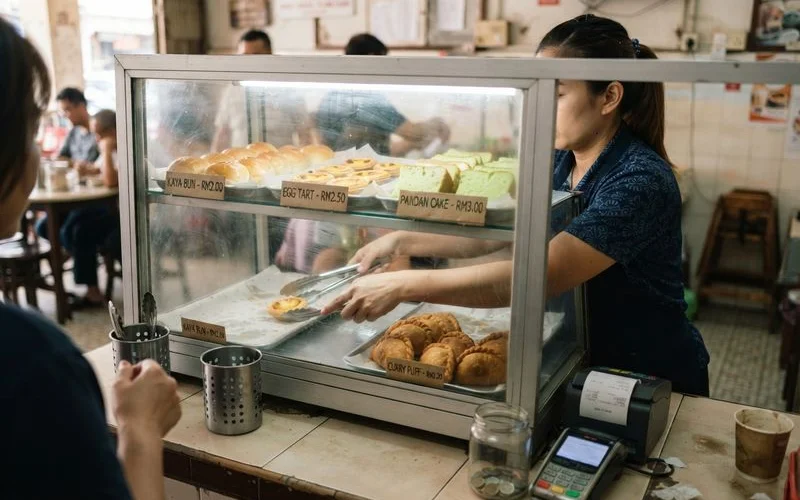
Bread, pastries, and cakes don’t age the same way
Freshness signals differ depending on what you’re buying. Bread and flaky pastries lose quality fastest, often within a day, so a soft, springy texture matters more than appearance alone. Cakes and items with cream or custard fillings should feel properly chilled if refrigerated, not left out at room temperature for hours. Packaged items with a printed date are the easiest to judge; loose items on open shelves rely more on your own read of texture and smell.
Questions worth asking at the counter
If you want a clearer answer than guesswork, a few direct questions usually get a useful response: asking what time a specific item came out of the oven, whether a particular bread is baked in-house or brought in, and whether tomorrow’s batch is likely to be different from today’s leftover stock. Staff at bakeries that take freshness seriously tend to answer these without hesitation, since it’s information they track anyway for their own restocking.
What to check before you commit to an order
| Signal | What it suggests |
|---|---|
| Case restocked visibly through the day | Batches likely baked in smaller, fresher rounds |
| Staff can describe when items were made | Bakery tracks and cares about freshness |
| Items look dry, cracked, or dull at the edges | Possibly sitting longer than ideal |
| Reviews specifically mention “fresh” or “stale” | Directly useful signal from recent visitors |
What to do if an item disappoints
If a pastry turns out stale or a bread loaf tastes off, most bakery-cafes would rather hear about it than have you quietly avoid a return visit. A polite note to staff, especially if you’re a regular, often gets a straightforward response, whether that’s an apology, a replacement, or an acknowledgment that the batch was off that day. It also gives you a read on how seriously that specific shop takes feedback, which is useful information for future visits.
Central kitchen isn’t automatically worse
A cafe sourcing from a central kitchen rather than baking on premises isn’t a dealbreaker by default. Some manage strong quality through quick, well-organized delivery logistics that get items to the counter within hours of baking. The more useful question isn’t where the baking happened, but how recently, and reviews that mention freshness specifically are a more reliable signal than assuming based on shop size or chain status alone. Freshness is one read on a bakery-cafe’s standards; what the hygiene grading placard means covers the official signal posted at the door.
Our directory tracks Ipoh’s cafes and bakeries with sentiment pulled from real customer reviews, including recurring notes on freshness and consistency. The scoring approach behind those rankings, including how consistency and repeat performance are weighed, is explained on the methodology page.
Freshness isn’t always obvious from a menu or a glance at the counter, but a few visible signals, combined with recent reviews, usually give a reliable read before you order.
FAQ
- Does baking on site always mean better pastries?
- Generally yes for freshness, since on-site baking means a shorter turnaround from oven to counter. Some chains with central kitchens still manage good quality through fast, well-run delivery, so it's not an absolute rule.
- What time should I go for the best selection?
- Mornings before 11am usually offer the widest choice at bakeries known for specific items. Popular items at well-known spots often sell out by early afternoon, especially on weekends.
- Is it a bad sign if a bakery sells out of items early?
- Not necessarily, it can mean they bake in smaller, fresher batches rather than overproducing. It's only a concern if the same items are visibly stale or sitting out for hours before selling.
- How can I tell freshness just by looking, without asking staff?
- Check for visible steam or warmth from recently baked items, a case that's regularly restocked rather than static, and pastries that look and smell fresh rather than dried out at the edges.