Food allergies and dietary requests at Ipoh cafes: how to ask and what to expect
By Sarah · Updated 2026-06-28
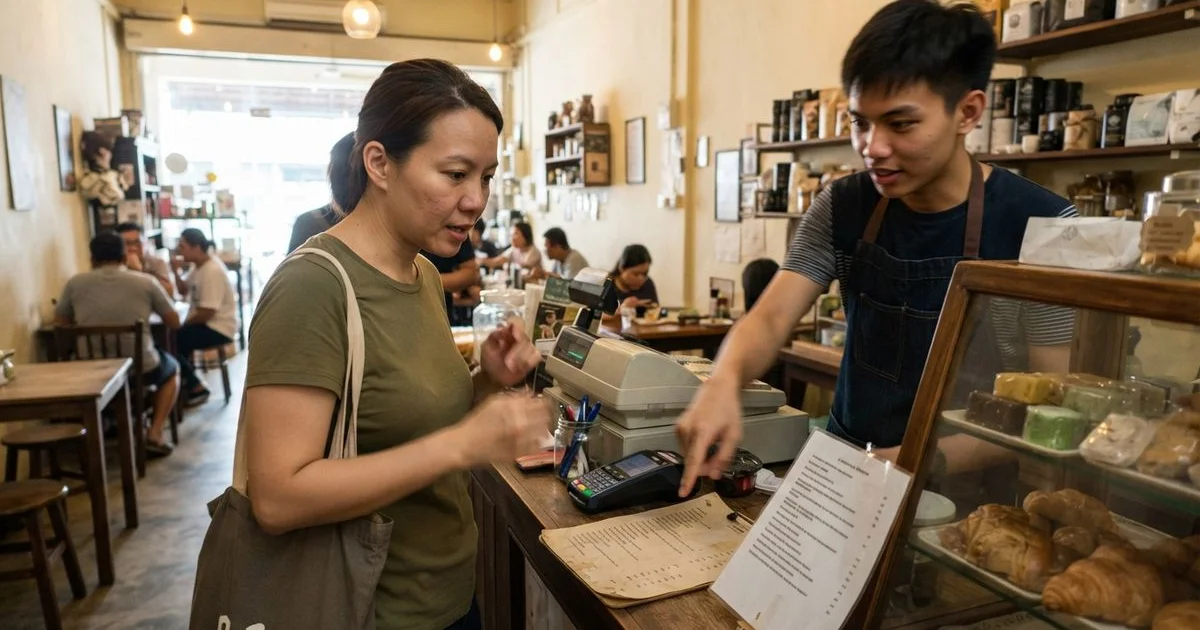
Asking about allergies or dietary needs at a cafe in Ipoh is a completely normal part of ordering, but what a kitchen can realistically confirm varies a lot by the size and setup of the place. This is general information, not medical advice, and anyone with a serious or life-threatening allergy should take their own precautions beyond what a cafe conversation alone can guarantee.
What’s realistic to expect
Larger cafe chains and more established specialty spots are more likely to have some form of allergen information available, whether on a printed menu note or through staff trained to answer specific questions. Smaller independent cafes and traditional kopitiams, often running lean kitchens with shared prep space, may rely entirely on staff knowledge, which can vary depending on who’s working that day. Neither setup is inherently better or worse, but it changes how much certainty you can expect from a quick question at the counter. The same variability shows up in what the hygiene grading placard means, another signal worth checking alongside a direct question to staff.
How to ask in a way that actually gets useful answers
A vague “is this safe for allergies” question often gets a vague answer. Being specific gets better results: naming the exact allergen, asking whether it’s used elsewhere in the kitchen, and asking directly about shared equipment or prep surfaces if cross-contact is a serious concern. If staff seem unsure or give inconsistent answers, that uncertainty itself is useful information, it’s reasonable to pick something simpler or skip the item rather than assume it’s fine.
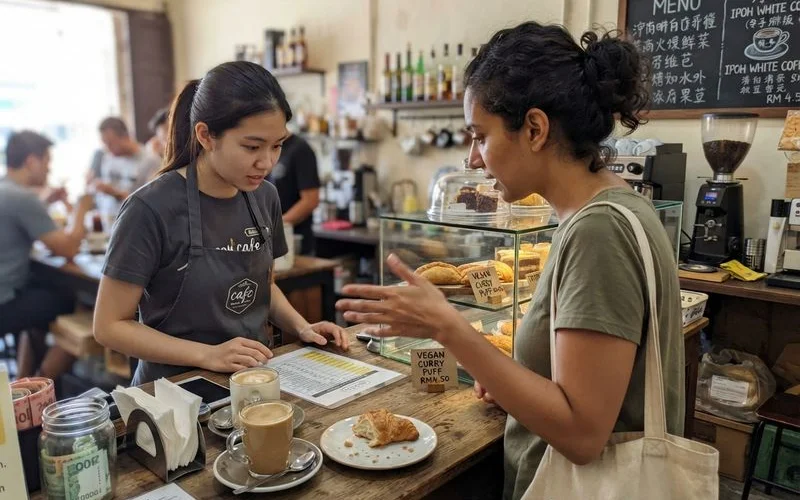
Common dietary requests beyond allergies
Not every dietary request is an allergy. Vegetarian, halal, dairy-free by preference rather than intolerance, and low-sugar requests are common at Ipoh cafes and usually easier for a kitchen to accommodate than a strict allergen concern, since they don’t carry the same cross-contact risk. Being clear about which category your request falls into, a firm medical restriction versus a general preference, helps staff understand how much flexibility they actually have in adjusting a dish.
Building a shortlist of cafes that handle this well
If dietary needs come up often for you or someone in your regular group, it’s worth keeping a mental shortlist of cafes that have handled requests well in the past rather than starting from scratch each time. A kitchen that answered clearly and confidently on a previous visit is a reasonable bet for consistency on the next one, though it’s still worth confirming again rather than assuming nothing has changed.
Calling ahead versus asking on arrival
| Situation | Better approach |
|---|---|
| Solo visit, mild preference | Ask at the counter when ordering |
| Serious allergy, small group | Call ahead so the kitchen has time to check |
| Large group booking or event | Confirm dietary needs with the cafe in advance, in writing if possible |
| Uncertain or inconsistent answers on arrival | Choose a simpler item or a different cafe |
Bringing your own precautions
For anyone managing a serious allergy, carrying your own medication as advised by a doctor and treating any cafe’s answer as helpful context rather than a guarantee is the more cautious approach. A kitchen doing its best to answer honestly is still working from its own knowledge of that day’s ingredients and prep, which isn’t the same as a formal allergen certification process.
Small kitchens and cross-contact risk
Even a cafe that’s careful about ingredients may not be able to fully rule out cross-contact in a small, shared kitchen space. This matters most for allergens that trigger a serious reaction from trace exposure. If that describes your situation, treating any answer as a best effort rather than a guarantee, and carrying your own precautions, is the safer approach.
Our directory lists cafes across Ipoh with details drawn from public listings and reviews, though allergen handling can vary day to day within a kitchen, so a direct conversation with staff is always the more reliable source. The approach behind how we score and rank listings is explained on the methodology page.
A specific, direct question to staff, ideally ahead of time for anything serious, is the most reliable way to handle dietary needs at an Ipoh cafe. Vague reassurance is worth less than a clear, honest “we’re not sure” from a kitchen that’s being upfront with you.
FAQ
- Do Ipoh cafes commonly list allergens on the menu?
- Not consistently. Larger chains are more likely to have allergen information available on request, while smaller independent cafes and kopitiams often rely on staff knowledge rather than printed lists.
- Can a small kitchen guarantee no cross-contact with nuts or shellfish?
- Rarely with full certainty, especially in a small, shared kitchen. If a reaction would be serious, it's worth asking directly how the kitchen handles the specific allergen rather than assuming.
- Is it reasonable to call ahead before a visit?
- Yes, especially for a group booking or a serious allergy. Calling ahead gives the kitchen time to think through the order rather than answering under pressure during service.
- What if staff seem unsure about an ingredient?
- Treat that uncertainty as useful information. If nobody can confirm what's in a dish, it's reasonable to choose something simpler or skip that item rather than assume it's safe.