How to check if an Ipoh cafe is genuinely halal-certified
By Sarah · Updated 2026-06-22
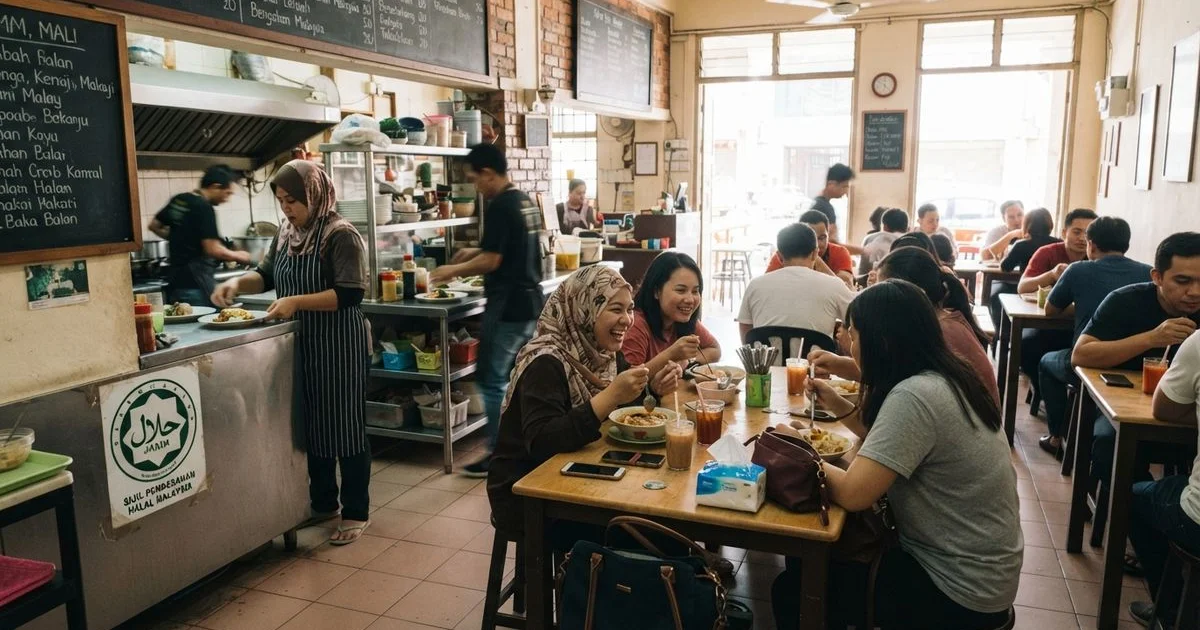
Halal certification matters to a lot of cafe visitors in Ipoh, whether for a personal dietary requirement or for planning a group outing where guests expect certainty rather than a guess. The tricky part is that “halal” gets used loosely, sometimes accurately, sometimes as a general description rather than a formal status. This is general information, not a substitute for checking directly with the cafe or the certifying body if certification is essential for your situation.
Certified versus halal-friendly aren’t the same thing
Halal certification in Malaysia is issued by JAKIM, the Department of Islamic Development Malaysia, after a formal audit of a business’s ingredients, preparation process, and supply chain. A cafe describing itself as “halal-friendly” without that certification might genuinely avoid pork and alcohol in its offerings, but it hasn’t gone through the same formal verification. For most casual visits that distinction won’t matter much, but for anyone with a strict requirement, or organizing an event where guests will ask, it’s worth knowing which one you’re dealing with.
What to actually look for
A genuine certificate is typically displayed near the entrance or at the payment counter, and it should show a certificate number and a validity period rather than just a logo. If a cafe’s marketing mentions halal status but you can’t spot a physical certificate on premises, it’s reasonable to ask staff directly, most cafes that are genuinely certified are happy to point it out.
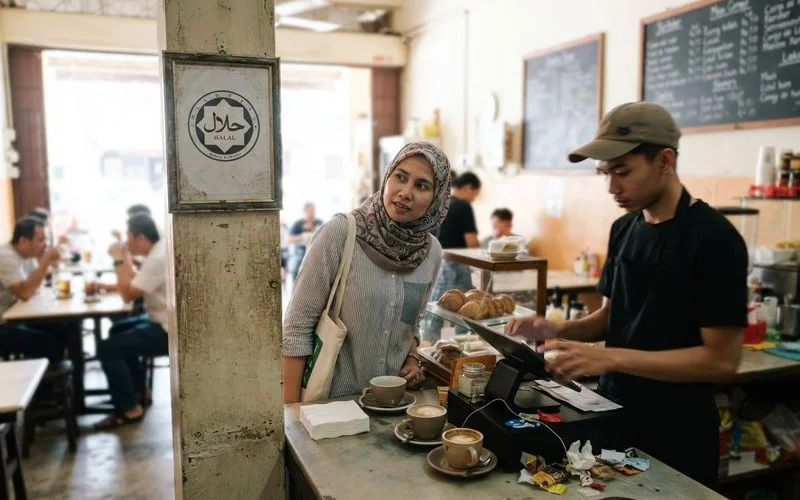
Why the distinction exists in the first place
Formal certification exists because “halal” covers more than just avoiding pork and alcohol on a menu. It also touches how ingredients are sourced, how food is prepared and stored, and whether equipment is shared with non-halal items anywhere in the kitchen. A cafe can genuinely intend to serve halal food without having gone through the audit that verifies all of that, which is exactly why the certified and halal-friendly labels aren’t interchangeable even when the intent behind both is sincere.
What certification does and doesn’t guarantee
Certification confirms that a business passed a specific audit at a specific point in time, covering the criteria JAKIM applies. It’s a strong signal, but it isn’t a live, continuous guarantee, since practices can shift between renewal periods. For most visitors this level of detail won’t matter, but for anyone catering a large event or accommodating guests with strict requirements, it’s worth treating certification as a strong starting point rather than an absolute, permanent assurance.
A quick way to check before you commit
| Step | What to do |
|---|---|
| Look for a physical certificate | Check near the entrance or counter, not just marketing material |
| Check the expiry date | Certification is reviewed periodically and can lapse |
| Ask staff directly if unsure | A reasonable, normal question, especially for group bookings |
| For strict requirements, verify independently | Contact the cafe or check with the certifying body if certainty matters |
What to do if certification isn’t clear
If a cafe can’t confirm its status clearly, whether the certificate isn’t displayed or staff seem uncertain, treating that as a reason to look elsewhere is a reasonable, low-friction choice. Ipoh has enough cafes with clearly displayed, current certification that there’s rarely a need to press a specific venue on an unclear status, particularly if you’re planning around a strict requirement.
Why this matters more for group visits
A solo visit gives you room to simply choose a different cafe if something seems off. A group booking, a work function, or a family gathering is a different situation, since you’re making a commitment on behalf of other people’s dietary needs. Confirming certification status ahead of time, rather than assuming from a menu description, avoids an awkward situation on the day.
Our directory lists cafes across Ipoh with details pulled from public listings and reviews, though certification status can change, so it’s always worth a direct check for anything time-sensitive or high-stakes. How we weigh consistency and other factors into our rankings is explained on the methodology page.
Checking halal certification takes a couple of minutes and mostly comes down to looking for the physical certificate and asking a direct question if it’s not visible. That small step avoids assumptions that matter more than they might seem to on the surface.
FAQ
- What's the difference between halal-certified and halal-friendly?
- Halal-certified means an official body, JAKIM in Malaysia, has audited and approved the business. Halal-friendly is a self-description that hasn't necessarily gone through that formal certification process.
- Where should the certificate actually be displayed?
- A genuine JAKIM certificate is usually displayed near the entrance or at the counter, and it carries a certificate number and an expiry date. If you don't see it, it's reasonable to ask directly.
- Does certification expire?
- Yes, halal certification is reviewed and renewed periodically. A certificate with a passed expiry date on display is worth asking staff about directly.
- Is it rude to ask a cafe about their certification status?
- No, it's a normal question in Malaysia, especially for group bookings or events where dietary compliance matters to multiple guests. Staff at genuinely certified cafes are usually glad to point out the certificate.